


Since opening its doors in 2003, the National Art Gallery of The Bahamas has evolved from a historic residence into the country’s leading institution for Bahamian art.
This timeline highlights key moments, influential figures, and exhibitions that have shaped the museum’s role at the heart of national culture.
NAGB is housed within Villa Doyle, a mansion with an approximate 160-year history. Constructed in the 1860s by Sir William Doyle—Chief Justice and the first Bahamian-born individual to receive a knighthood—it was once the residence of distinguished Bahamian governors, civil servants, and social contributors. The building is an architectural marker of the nation’s colonial past.
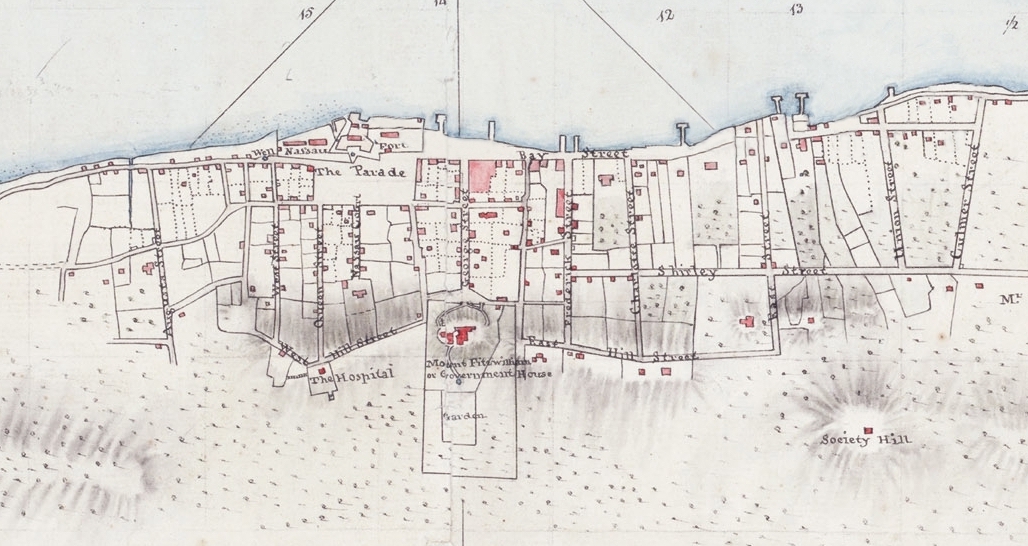
Perched on the rise overlooking West Street, Villa Doyle stands at the convergence of several historically significant sites. To the northeast once stood The Bahamas’ first documented hospital, the African Hospital, established in 1780. According to Dr Harold Munnings’ research on Princess Margaret Hospital, this institution played a vital role in providing medical care specifically for Black and African people.
Villa Doyle sits on the border of the historic Delancy Town and is within walking distance of Downtown Nassau’s colonial-era administrative and commercial district. The site physically bridges two integral parts of the nation’s history: the tourism and commerce-driven hub of Downtown and the ‘Over-the-Hill’ community—often referred to as the ‘nation’s navel’—which birthed and nurtured leaders of Majority Rule.
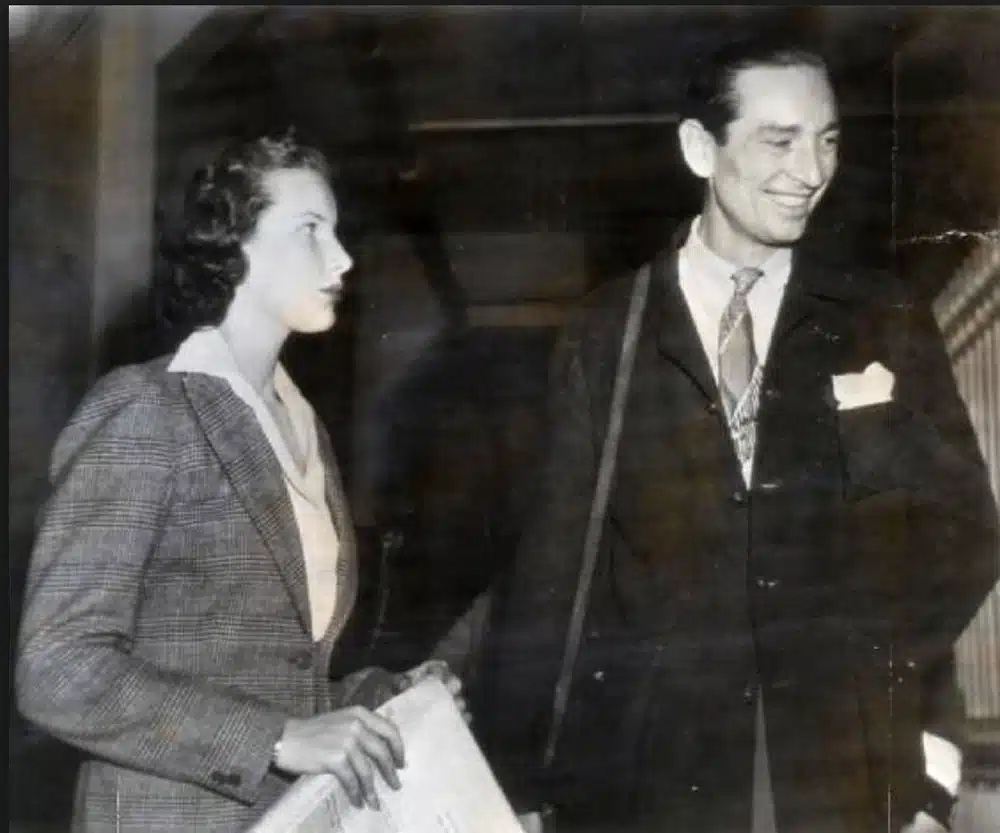
After Sir William Doyle’s passing in 1879, the property changed hands multiple times. In 1883, his widow and children sold Villa Doyle to William Robert Pyfrom. Decades later, in 1924, it was purchased by Walter Kingsbury Moore (later Sir Walter), who undertook major renovations.
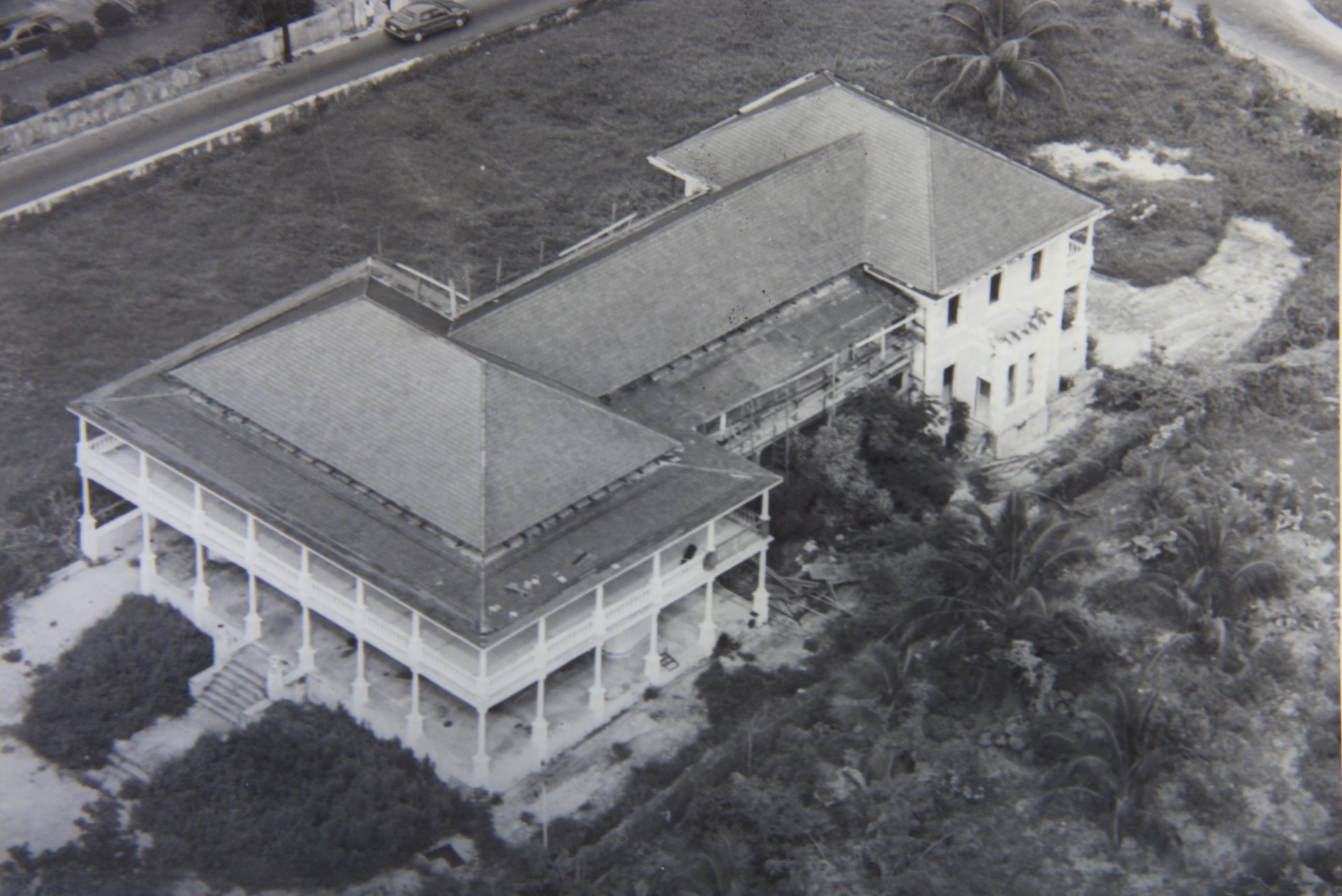
Sir Walter’s expansions included a two-story addition to the southern end of the original building. This extension housed a grand ballroom upstairs, along with a study, billiard room, and additional bedrooms on the ground floor (Gail Saunders, 1996). Wrap-around verandahs and a new roof were added, integrating the new construction with the original structure. Today, the converted building serves as a network of galleries, with architectural features that contribute to a distinctive exhibition environment.
Following Sir Walter Moore’s death in 1957, Villa Doyle passed to the Trustees of Trinity Methodist Church, who sold it in 1968 to Baroness Von Hoyningen Huene (formerly Nancy Oakes). In 1978, she sold the property to Keith Aranha, its final private owner before the Bahamian Government purchased it in 1995.
The National Art Gallery of The Bahamas was the first institution of its kind in Bahamian history. Announced in 1996 by then-Prime Minister Hubert A. Ingraham, it was part of a broader initiative to establish a network of museums that would record, preserve, and historicise the narrative of the independent nation, established in 1973.
In the 1990s, under the leadership of historian and founding Chairman Dr Gail Saunders, Villa Doyle underwent a nearly seven-year restoration process. The transformation into an art museum was overseen by architect Anthony Jervis, civil engineer George Cox, and gallery conversion consultant Dr Petrine Archer-Straw, along with the National Art Gallery Committee chaired by Dr Saunders.
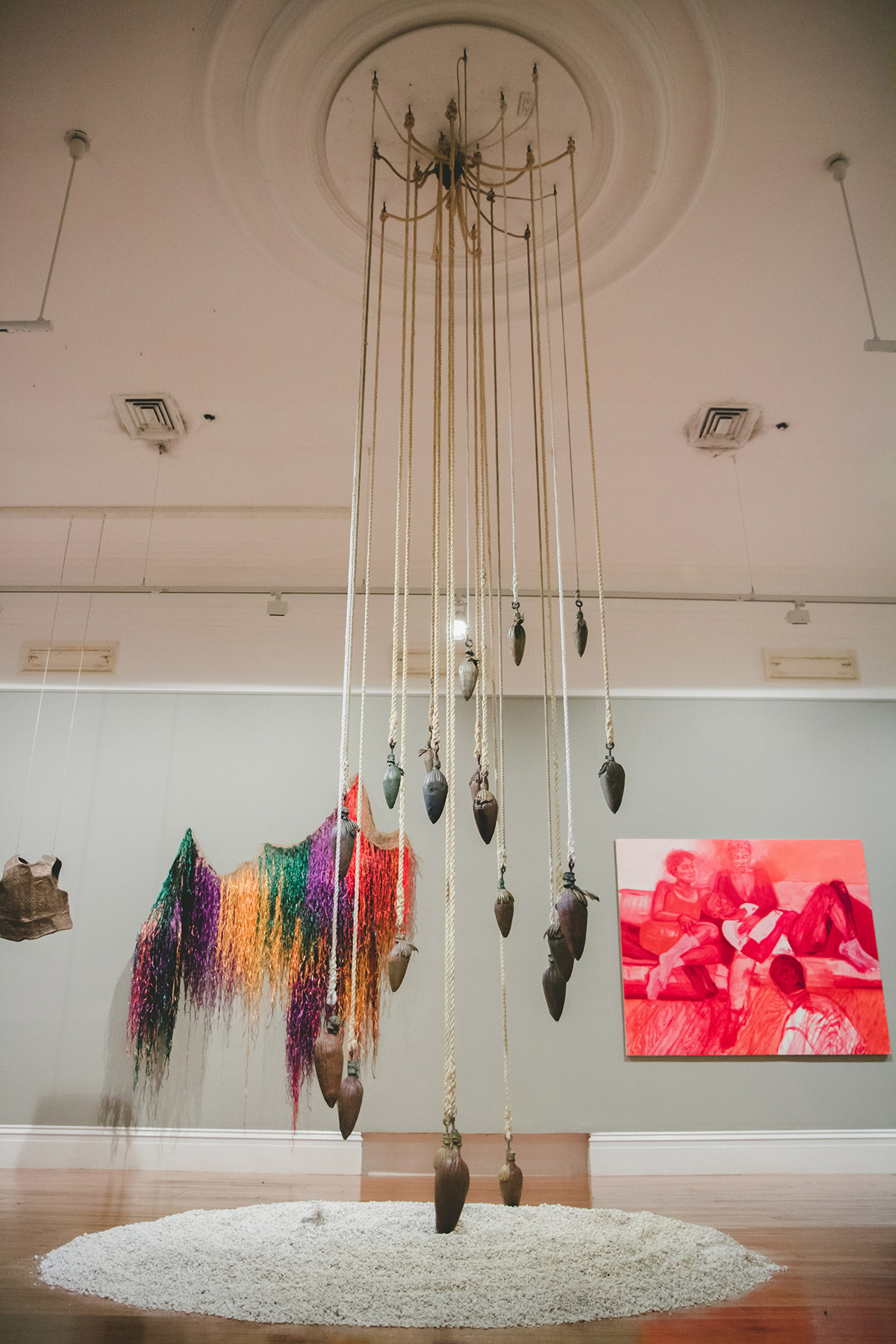
NAGB opens its doors on 7 July 2003 with three simultaneous exhibitions, including the Inaugural National Exhibition, curated by Erica James.
Today, NAGB operates as a public institution, supported in part by a governmental subvention and a network of public-private partnerships. The museum continues to thrive with the support of the community it serves, through admission, memberships, donations, and other means.
The primary research for this project was conducted by Amaani Hepburn, former Curatorial Assistant. Additional invaluable support came from Penelope Nottage, former NAGB librarian, the Department of Archives, and many others.
This history is a work in progress. If you notice any errors, please send your feedback to communications@nagb.org.bs.
NAGB is located on the ridge that divides Downtown Nassau from Over-the-Hill. To the north lies the city’s historic and touristic centre, while to the south are mostly working-class communities. This divide has long reflected issues of exclusion, inequality, and tensions that shape how people experience art and culture. NAGB faces these realities, using art to raise awareness, build understanding, and push for change.
We use cookies to improve your experience and understand how you use our site. By consenting, you help us process data like browsing behaviour.