Essays exploring the work of 16 artists through the lens of ecohorror, revealing how environmental dread and ecological crisis shape contemporary artistic practices
A Small Remainder of Teeth Digital Catalogue
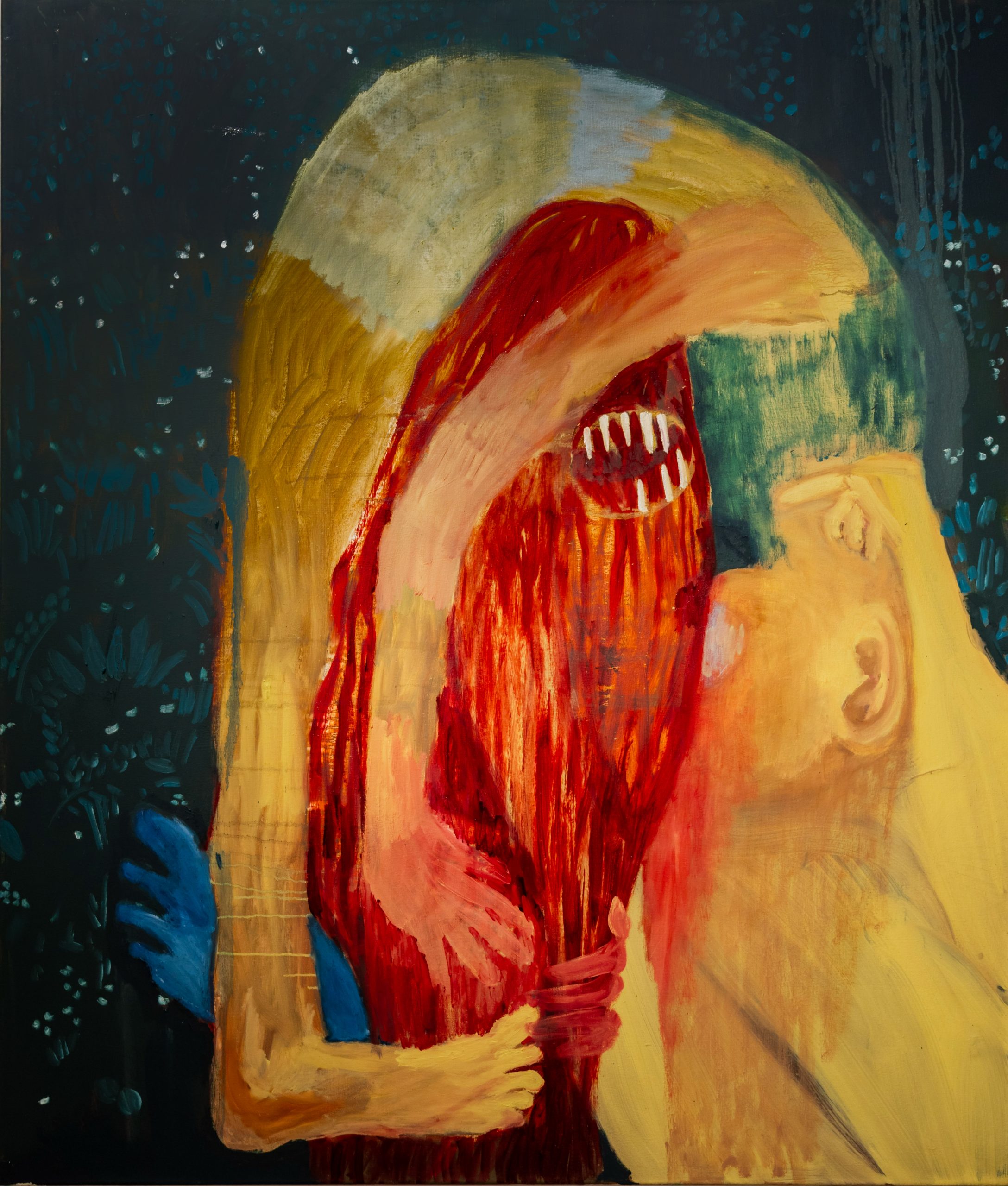
Essays exploring the work of 16 artists through the lens of ecohorror, revealing how environmental dread and ecological crisis shape contemporary artistic practices

By Natalie Willis. King Solomon, the biblical king of Israel, is revered in Christianity, Judaism, Islam and Rastafarianism alike. A wealthy and wise man (the latter of which people the world over feel are missing in leadership), he was known for his sense of justice and morality, and perhaps most famously known for settling a dispute between two women who fought over the guardianship of a child. We’ve most often seen this son of David, the successor to the throne, depicted as a wizened old man with a beard, looking every inch the grandfather. Why then, do we seem to get such contrasting reactions to Stan Burnside’s “Solomon” (2000) in our space? People claim to love the large scale work or despise it. We’ve had to move it from external spaces on loan because it was seen as “too much” or disconcerting – which feels rather unsettling for our dear Gallery + Collections Assistant, Matthew Rahming, whose likeness is often compared to that of Burnside’s king.
Exploring The Bahamas as a multi-faith space through 33 artists examining spirituality, the divine, and religious critique.
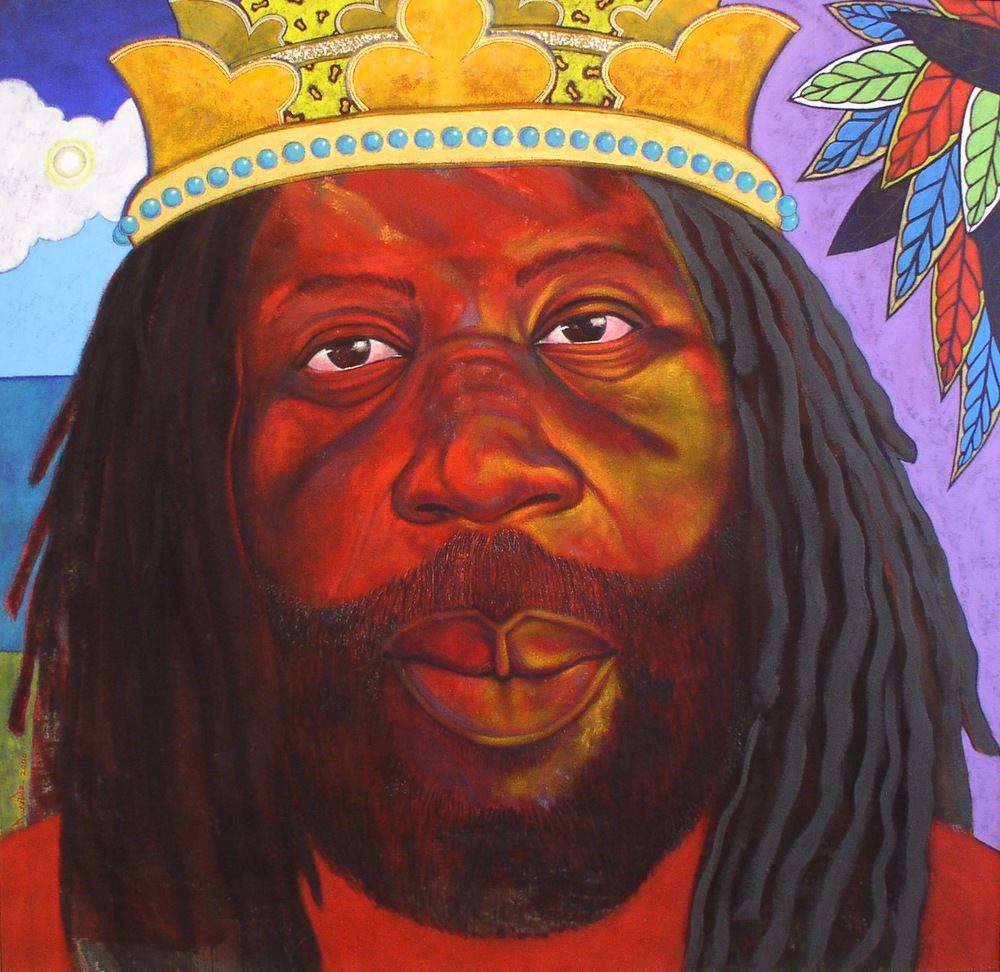
If a visitor at the National Art Gallery of The Bahamas were to wander into the office, found on the second floor, and make a left turn, one of the first things they would see is a “larger than life” painting of a man gazing back at them with a contemplative yet peaceful expression on his face. That would be Stan Burnside’s feature piece, “Solomon” (2000).