Currently browsing: Articles

From the Collection: “Untitled (Boat Scene)” (c.1920) by James “Doc” Sands

By Natalie Willis

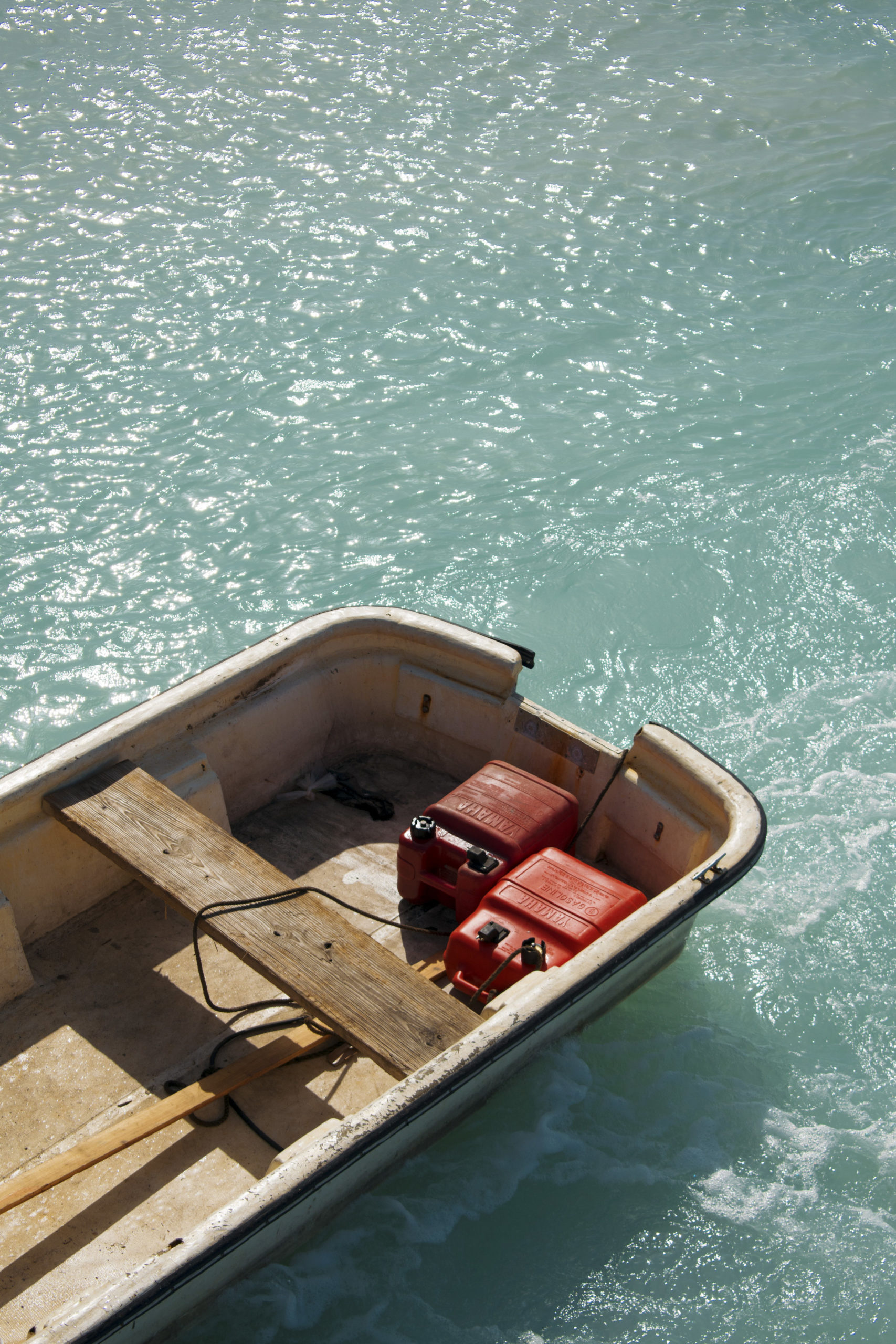
One would imagine this a typical scene along the Nassau coastline in the 1920s, as so much of our history – painful or profitable – was tied to the sea’s comings and goings. “Doc” Sands gives us what appears to be commonplace, but when we situate this image in the context of its time, and in our broader Bahamian history, things begin to take an exciting turn. Bottles and barrels that appeared to be ordinary fare now begin to remind us of prohibition and bootlegging, and the men shaking hands could very well be in the middle of a handoff. Of course, much of the imagery photographed at this time was staged out of necessity – things needed to be reasonably still for a prolonged time for the image to be taken appropriately. Was Sands staging this image of prohibition and illicit-alcohol Nassau at its roaring start?

James Osborne “Doc” Sands was born in 1885 in Rock Sound, Eleuthera, and is noted one of the first Bahamian photographers. The second of six children, his parents moved him to Nassau for what they felt to be a better education, and at age 18 he was handed over the photo studio of his mentor, American photographer Jacob Frank Coonley. Coonley and his contemporary William Henry Jackson (also American) were well known for their work, and now historically for their contributions to building and framing the picturesque, tropical images of The Bahamas at the start of its tourism industry, and Sands took up the mantle at a somewhat tender age.
Learn more

“When the Lionfish Came”: Tamika Galanis Gives Voice to the People of the Reef amid Dangerously Rising Tides

By Natalie Willis. In Adelaide, there is a bell that has been ringing for at least a hundred years, but closer to two. Events, hurricanes, births and deaths, are all marked by the chime, and the proud denizens of this historic community for freed Blacks have, for generations, found themselves answering to its call. However, Tamika Galanis’ film, “When The Lionfish Came” (2015) is not a church bell…

It is an alarm.

Learn more

The art of living in the tropics. Part II: Hand come, hand go

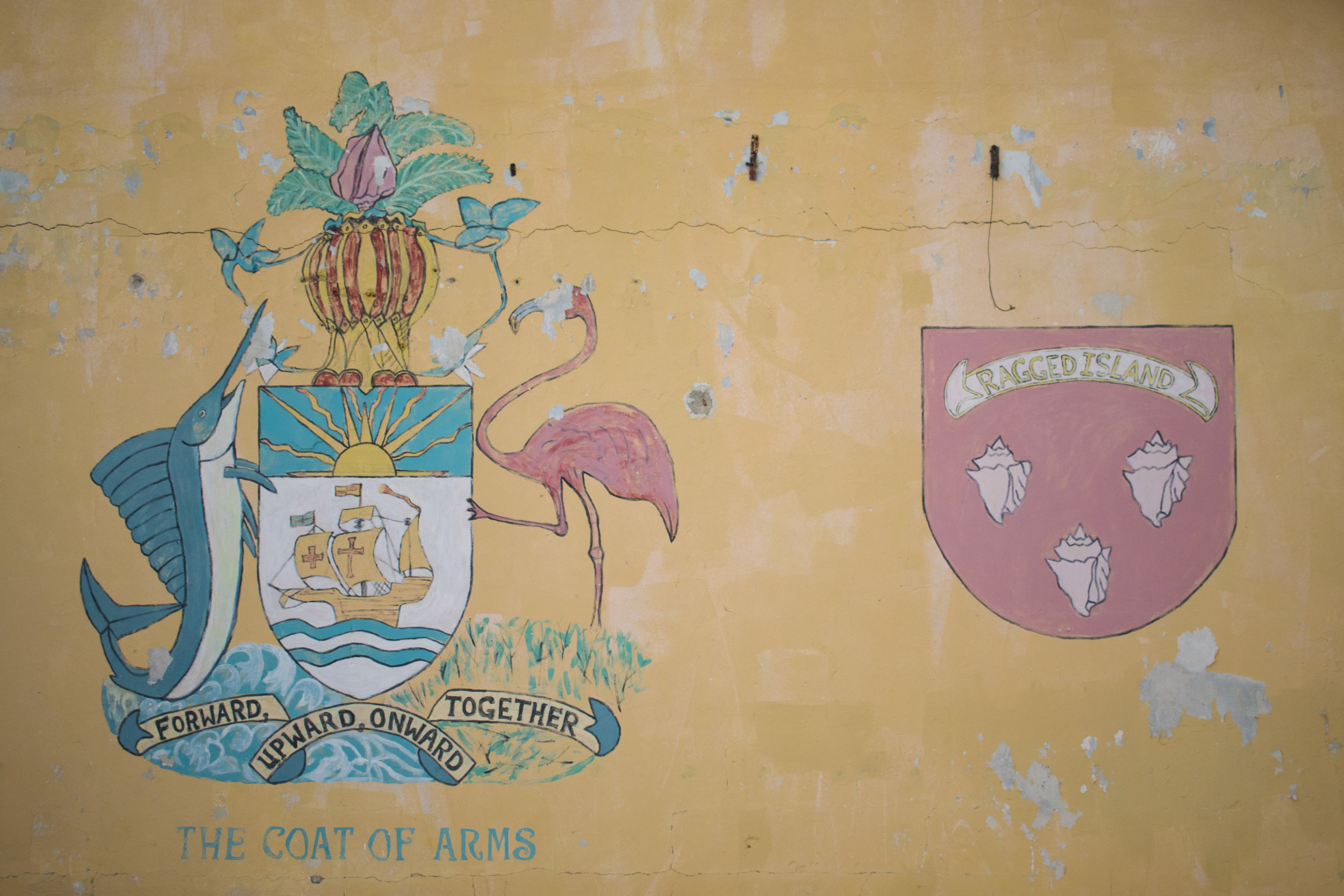
By Dr Ian Bethell-Bennett, The University of The Bahamas. Exuma blue recedes into Ragged Island sargasso and green.  Sole inhabitant of Buena Vista Cay, Edward Lockhart, a reminder of Hemingway’s Old Man and The Sea (1952) has pulled up alongside and tied his boat to the MV Captain C and now stands with the others on the deck.  Sun pounds down as the heat of living in the tropics feels much hotter than it has in forever. Art is always somewhat less strange than life, as stories come and go and fight to retain their place in a global village quickly being overtaken by overwriting of colour-blindness and leadership that throws women and minorities and their voices under the bus.  Ironically, there is this romantic notion about “going back to the island”, it will all be better there, by and by.  The irony is that hidden in this discourse of nostalgia for the island, is an erasure of the same island we long for.

Learn more

The art of living in the tropics: An art of survival?

By Dr Ian Bethell-Bennett. The University of The Bahamas. The savagery of hurricanes is clear as people struggle to recover and survive. This is the first of a three-part series that journeys through and to the Southern Bahamas, to Ragged Island.  It is an exploration of connectivity, innovation and cultural erasure meeting with opportunity, though not for all.  As a part of the content for The Bahamas pavilion at the Expo 2020 “Connecting Minds Creating the Future”, to be held in Dubai United Arab Emirates beginning on 20th October 2020, a group of researchers sought to collect data and stories of life in the tropics.  The focus will be revealed as the stories unfold.  With the theme of sustainability, the question becomes: can any of us be truly sustainable in a cultural reality that threatens erasure through natural and man-made situations?    

Learn more

Aftermath: Field Notes on Loss and Belonging

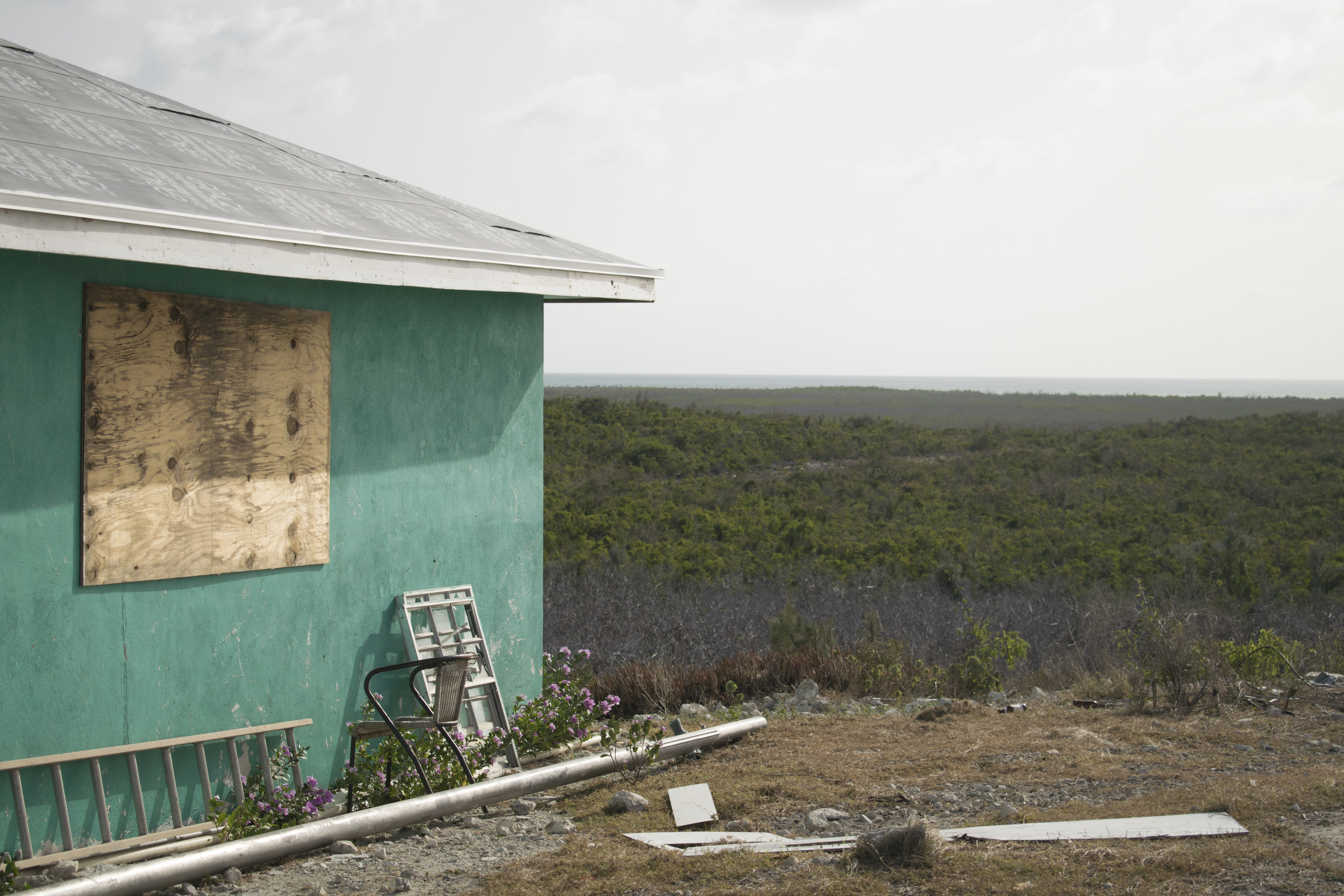
Ethan Knowles, Guest Intern for the Double Dutch 2018 Project. When I first came back home I was afraid. Though the hurricane was long over, and the news said that all the rotting carcasses had been cleared away, I was afraid nonetheless. I was afraid because I barely recognized anything. Riding around in Aunty Mary’s two-seater truck, I couldn’t spot the crowds of red mangrove that would ordinarily welcome me home after so many hours spent on the mailboat. Instead, I saw angry, misshapen skeletons tearing at the shore. I didn’t see Uncle Freddy or Ma Pat working the salt flats either. In fact, I didn’t see anyone down there – just flooded pans and brooding boundary lines. I turned away to gaze at the sea. I scanned the horizon carefully, but there wasn’t a boat in sight; and when I spun around to survey the land, I couldn’t make out a single child’s mother gathering tops in the bush.

Learn more