Currently browsing: Articles

Kendal Hanna’s “Rainbow Explosion”: Finding Self Through Abstraction
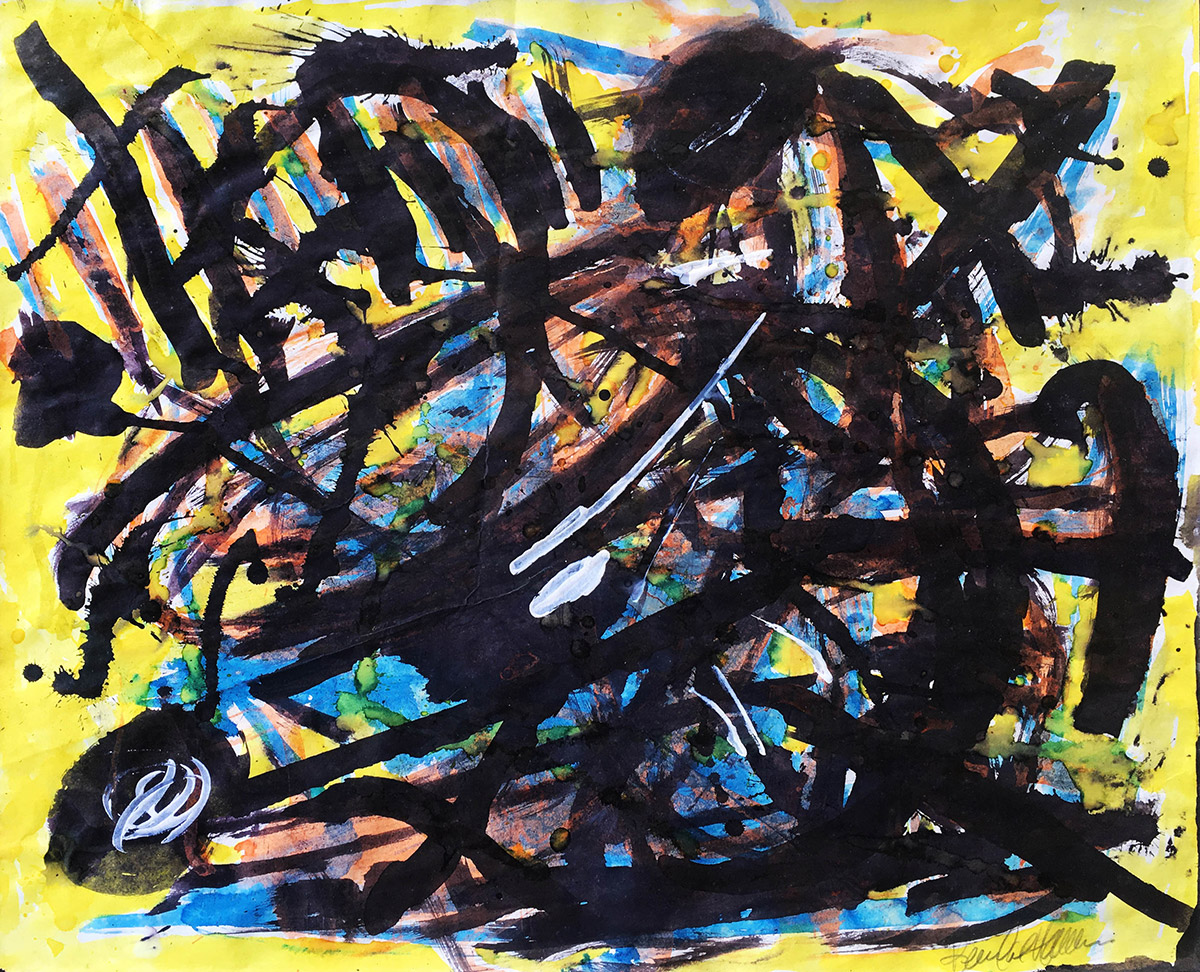
Kendal Hanna, a Bahamian artist and forerunner of abstract painting, brilliantly captures energetic expression and emotion through the intense repetition of line exemplified in Untitled (Rainbow Explosion). Hanna has masterfully engaged in his medium, stretching its ability to exist both boldly and lightly, from heavy black in the foreground to a luminous yellow in the background. Splatters surrounding the composition and within provide insight into the craftsmanship of the work, leaving signs of active brushwork –one may imagine Hanna physically engaging with the paper, paintbrush and paint with high energy, working confidently as his subconscious mind expresses itself on the paper.

Learn more

Considering the African Culture: Not forgetting the Asue

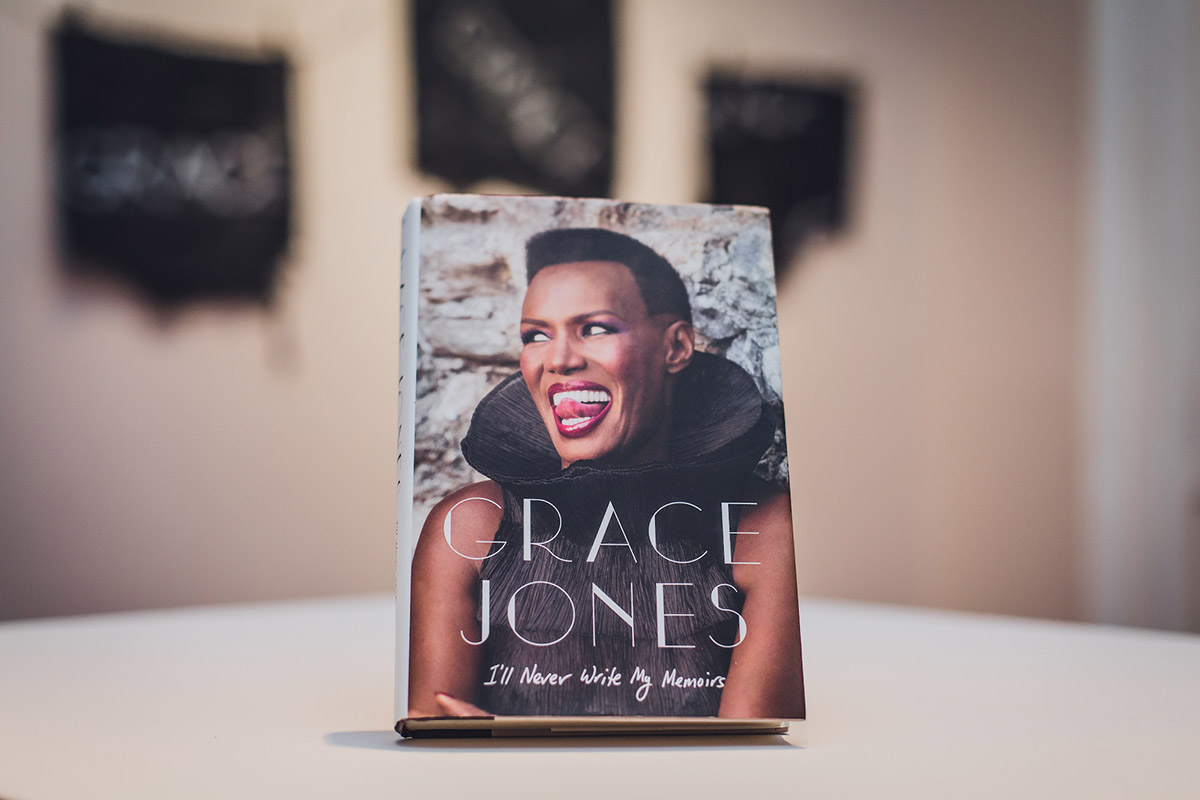
Haitian-born, Bahamian artist Jeffrey Meris opened his project ‘Asue: 20/20’ in the Project Space Room of the NAGB on Saturday, January 21, and it drew a sizeable crowd who came out to see how the word “Grace” would be interpreted. Dr. Ian Bethell-Bennett writes about Meris’ work and the importance of holding on to traditions and moments that make Afro-Caribbean culture possible.

Learn more

Owning our Image: Radical reclamation of self

Images have always been controlled by those in power. Dr. Ian Bethell-Bennett writes about how certain kinds of images have been used to represent us in particular ways that we usually have no control over. During slavery, blacks were depicted in a specific manner, and black women were always rendered either as workhorses, conniving thieves, jezebels, or wanton women. Here, Dr. Bethell-Bennett studies the work in the National Exhibition 8 to develop ideas around reconfiguring blackness.

Learn more

The Translation Conversation: Migration and Navigating Blackness in Bahamian Womanhood

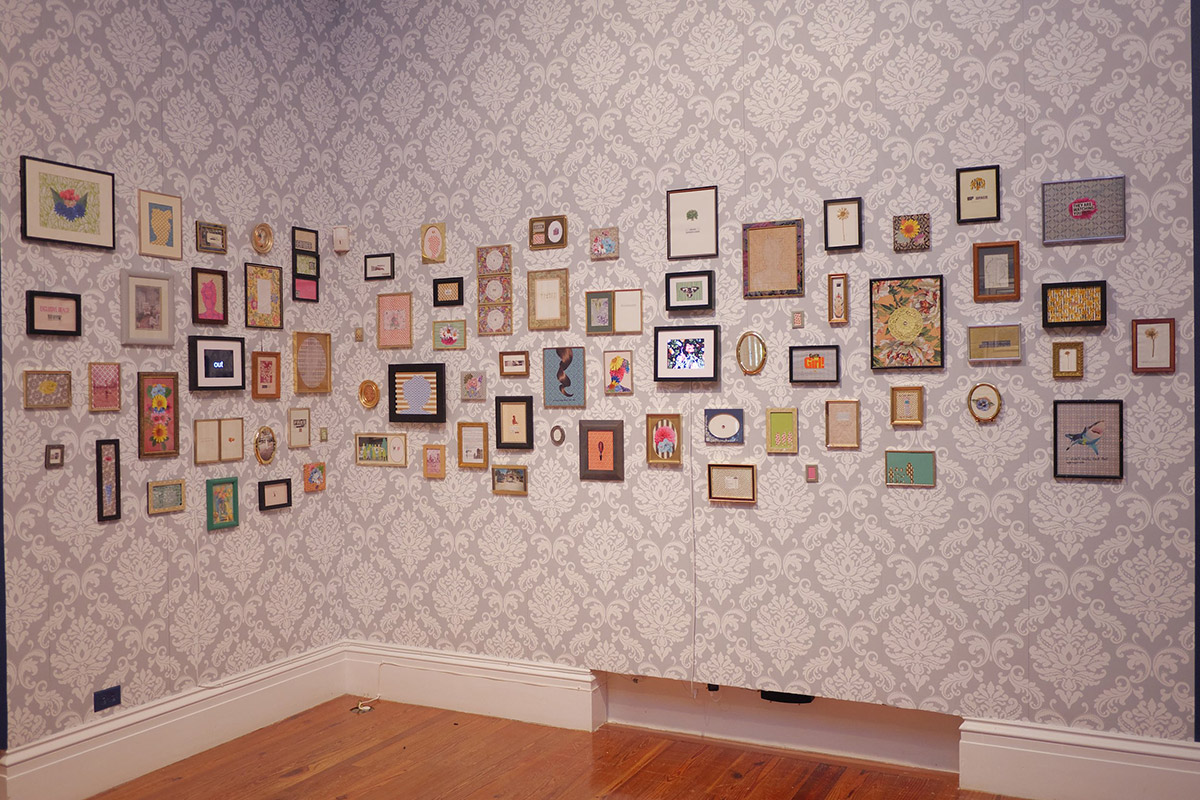
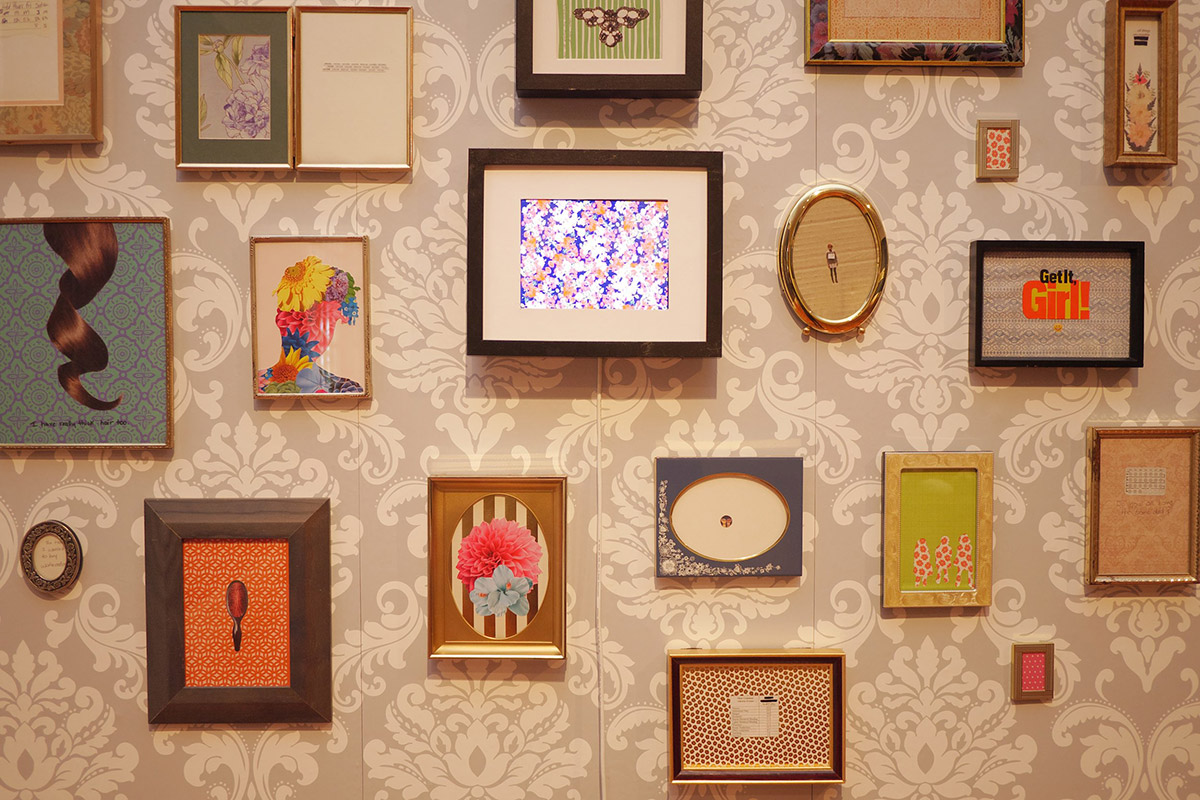
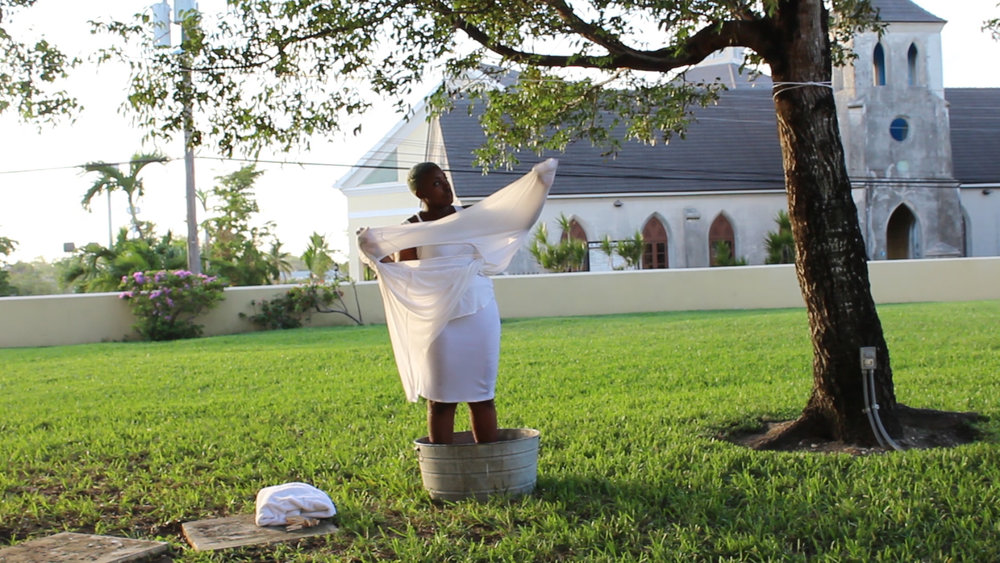
There is a very specific kind of uneasiness in black Bahamians as we try to translate our blackness when we move into other spaces, and it is most felt and visceral when we emigrate. For the eighth National Exhibition (NE8), Giovanna Swaby addresses this discomfort directly in “I Learned In Passing” (2016). Through this displaced domestic setting, Swaby builds up a narrative that so many of us can identify with as black Bahamian women travelling abroad.

Learn more

Look, Listen, Live: A Space for Artistic and Cultural Expression

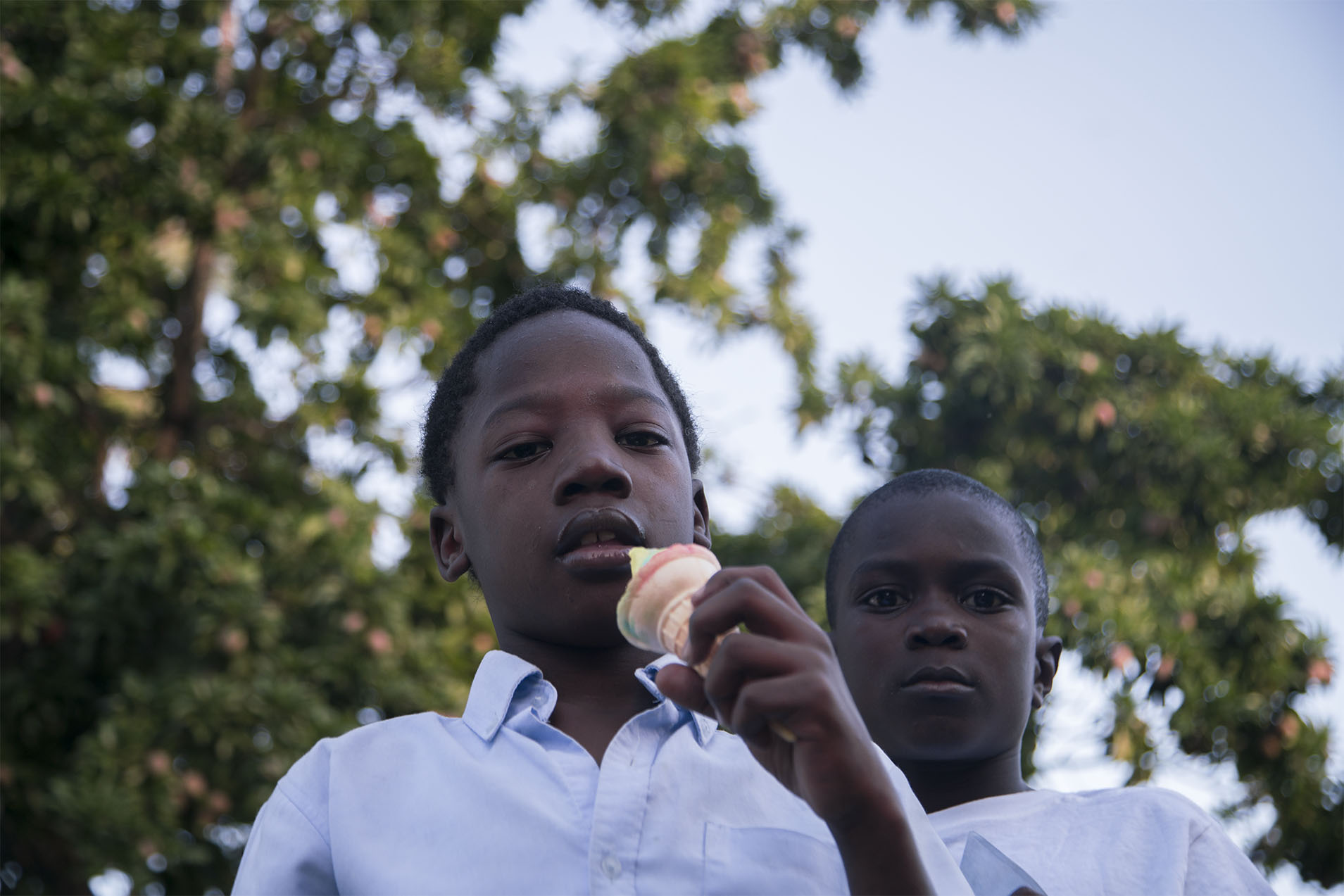
The National Art Gallery of The Bahamas(NAGB) has created a space we call the National Exhibition, now on its eighth run.  The NE8 offers local artists and artists of the diaspora a space to express their ideas and thoughts, concepts and theories. This week Dr. Ian Bethell-Bennett writes about the documentary photographic work of Tamika Galanis currently based in North Carolina and her investigation into the Over-the-Hill communities of Grants Town and Bain Town.

Learn more

The Gall To Speak: NE8 Artists Venturing into Gaulin Folklore

Bahamian women are often thought of as being outspoken, strong, ‘biggity’ – dare I say – and perhaps it is a result of this legacy of women who won’t suffer fools gladly, that has lead to women being painted in a less favourable light. But can we be blamed? After the referendum, it became clear that many of us felt less-than, and the women artists participating in the 8th National Exhibition (NE8) have made their voices heard. Particularly, emerging artists Jodi Minnis and a first-time National Exhibition participant, Cynthia Rahming.

Learn more

Hearth and Heart – E. J. Read’s ‘Clay Oven’

‘Clay Oven’ (1912) is earthy, it is full of sepias and greens and stony grays, and, it is homely and sincere. This watercolour by ex-patriot Elmer Joseph Read, more commonly known as E. J. Read, is of our oldest works in the National Collection, outside of the traditional black and white film photography by Jacob Coonley, on display in the first wing of the current Permanent Exhibition ‘From Columbus to Junkanoo’ curated by Averia Wright and Jodi Minnis. 

Learn more