Dr. Ian Bethell-Bennett pens an argument for supporting local creative production in “Made in The Bahamas: Authentic action, authentic support”
Made in The Bahamas: Authentic Action, Authentic Support
Dr. Ian Bethell-Bennett pens an argument for supporting local creative production in “Made in The Bahamas: Authentic action, authentic support”
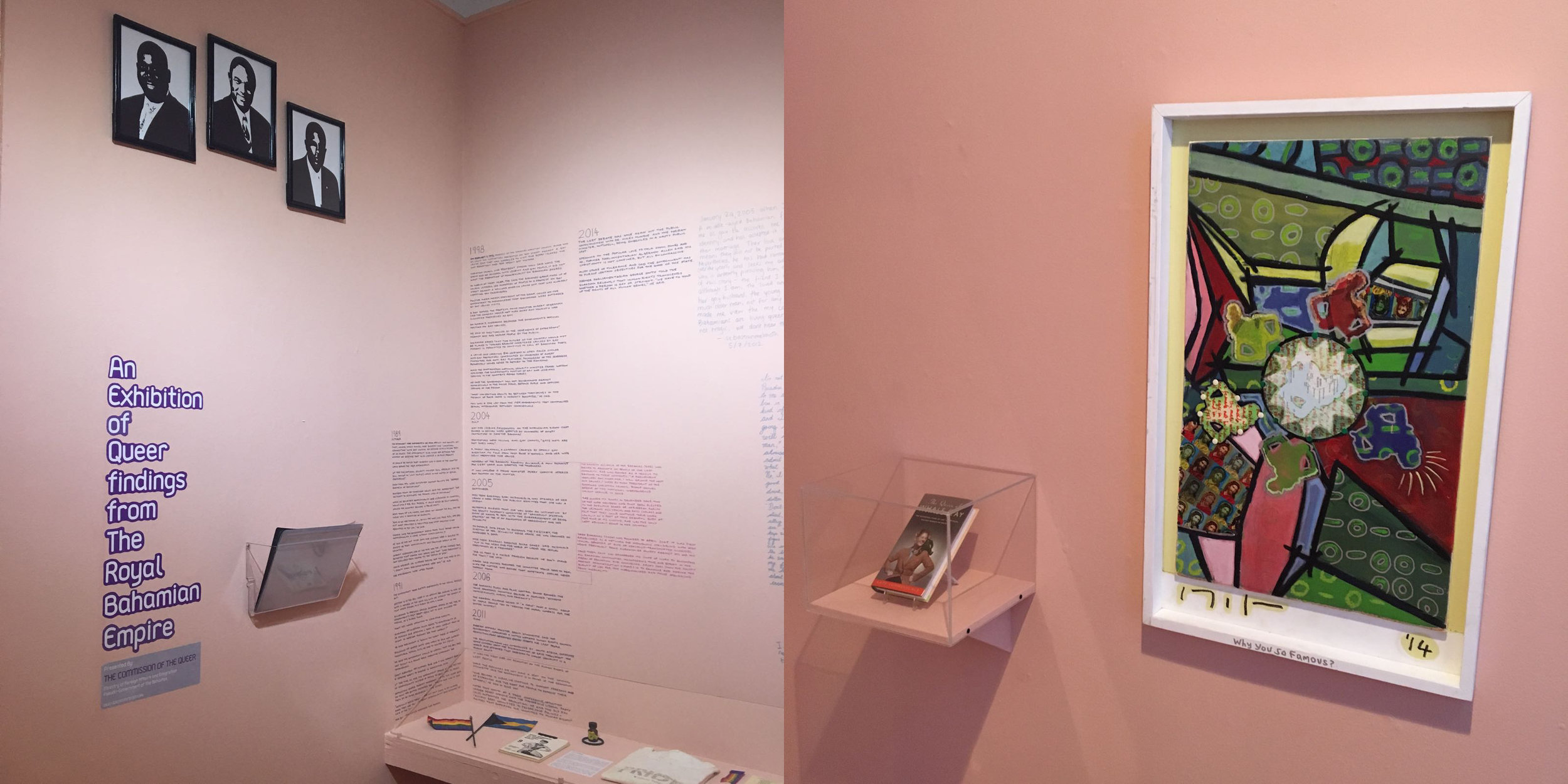
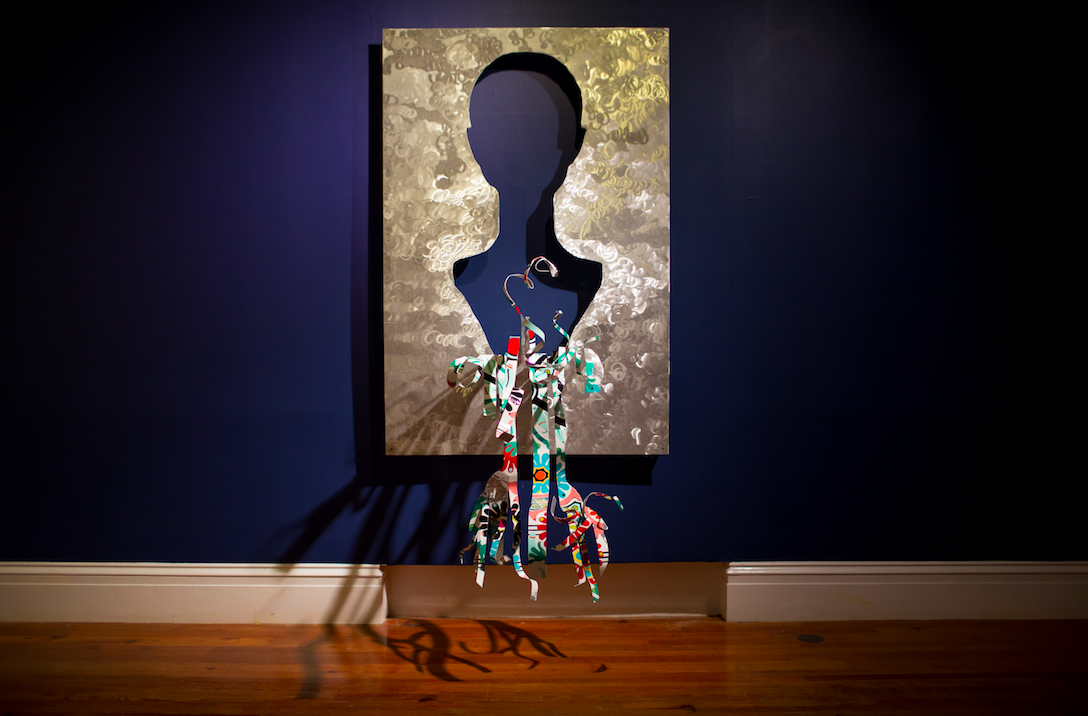
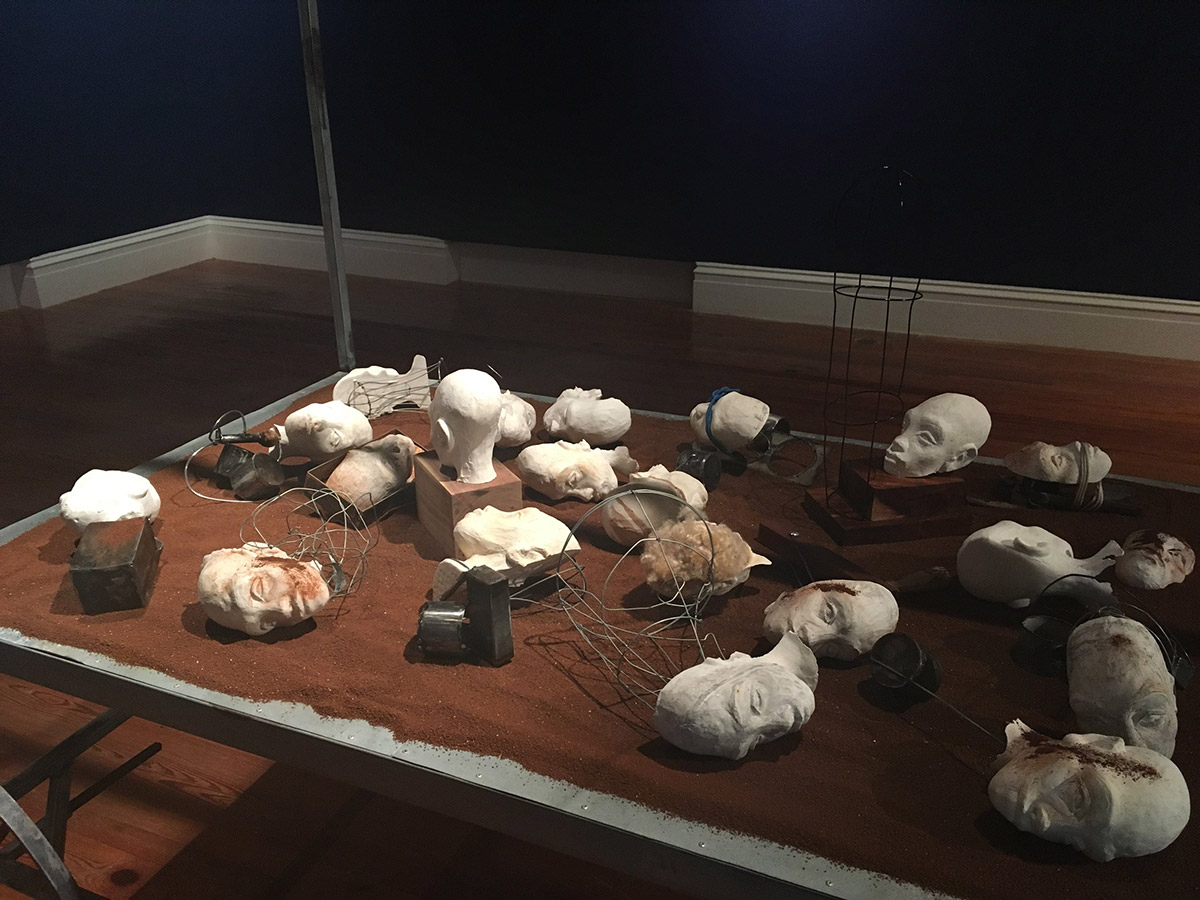
The recently opened 8th National Exhibition (NE8) contains much of the Bahamian art we’ve come to know and love over the years. We are a nation and a region with a very strong tradition of painting and wall-based work, which has expanded into the 3D realm, which we have also grown increasingly comfortable with accepting into our arsenal of Bahamian creative practice. But we also have grown into more expanded fields of engagement and display.
Our culture, as long as we wish it to be, is alive in those feet that pound the streets because they do not have cars, in the rubber that heads north every morning and south every night to earn money to survive. The fear of suffering is as strong as the possibility of death by silence, though silence kills like cancer that eats away at our fibre and when we are asked, who do we think we are? What dare we answer?
Representation in art tends to be the ability of art to reflect on to capture the trueness of life. It is not a sketch of naturalistic or impressionistic images, but a ‘true’ to life picture of what we see. However, what we see can always be influenced, changed or distorted by our position, our vantage point, and bias or where we stand. We can look out at sea and see a glare of whiteness as the sun reflects off the water’s surface.
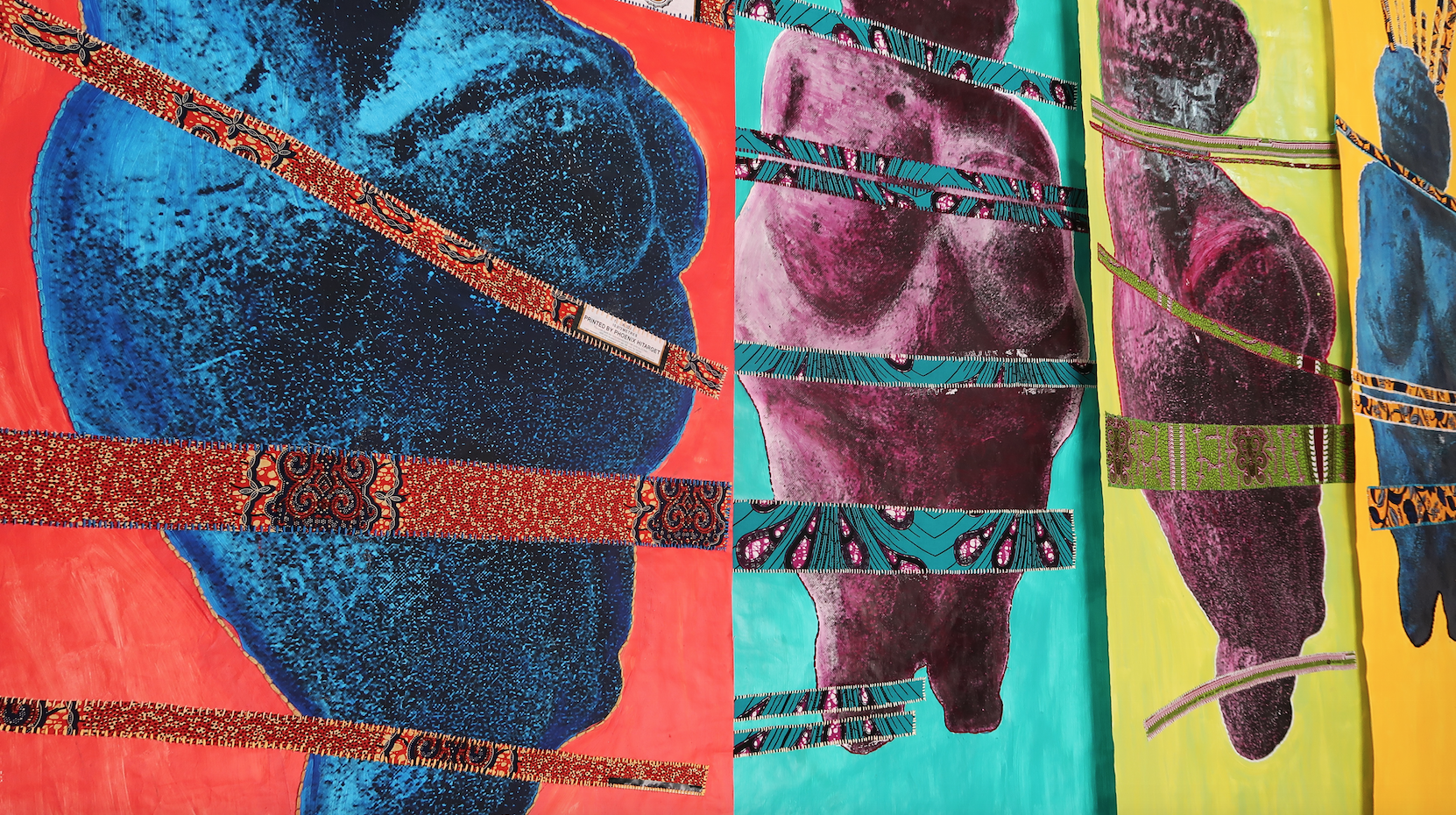
Recent events in the nation, perhaps most notably the We March protest that took place last week, showed that The Bahamas has begun to shake off the veil of apathy that we have slumbered under for what feels like too long. This year has been a belter for politics and people of all beliefs making their feelings known – for better or for worse. And, as art so often engages with the state of society, so it is that many of the submissions for the 8th National Exhibition (NE8) at the National Art Gallery of The Bahamas (NAGB) were brash, bold, opinionated, and deeply political; reflecting how strongly so many of us feel after the various events of 2016.
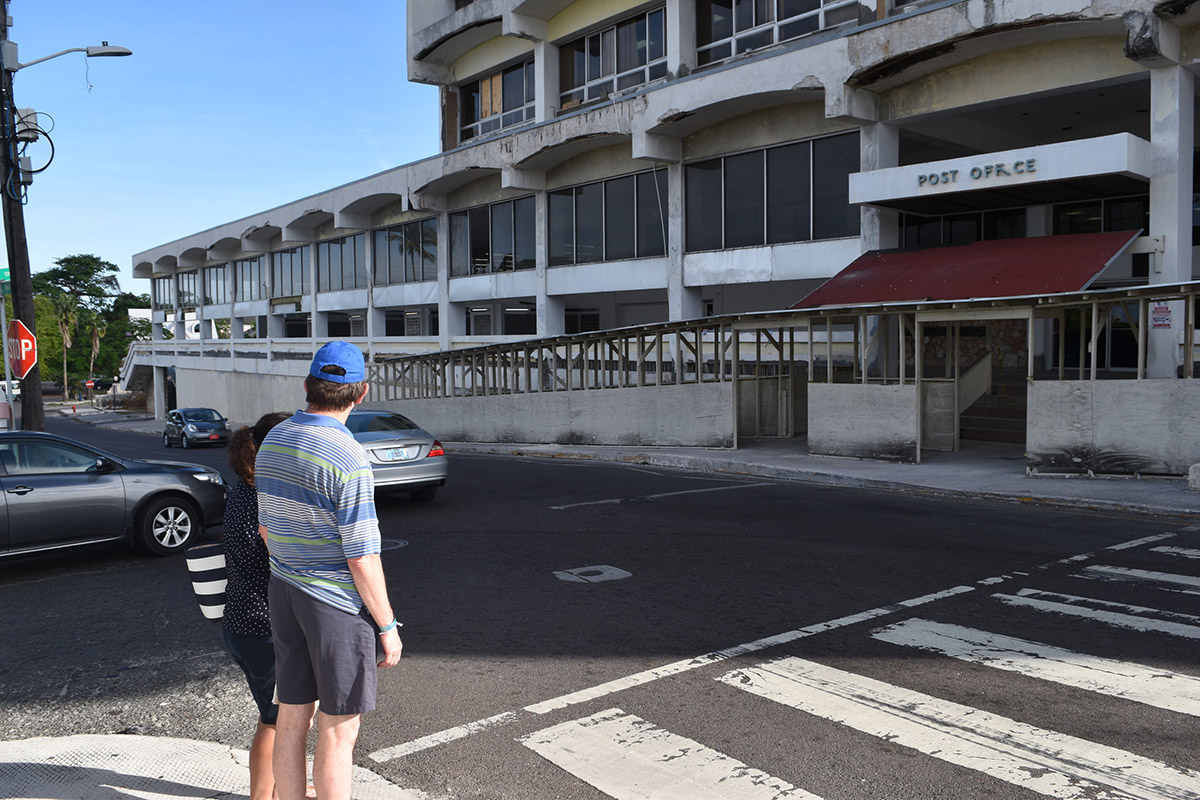
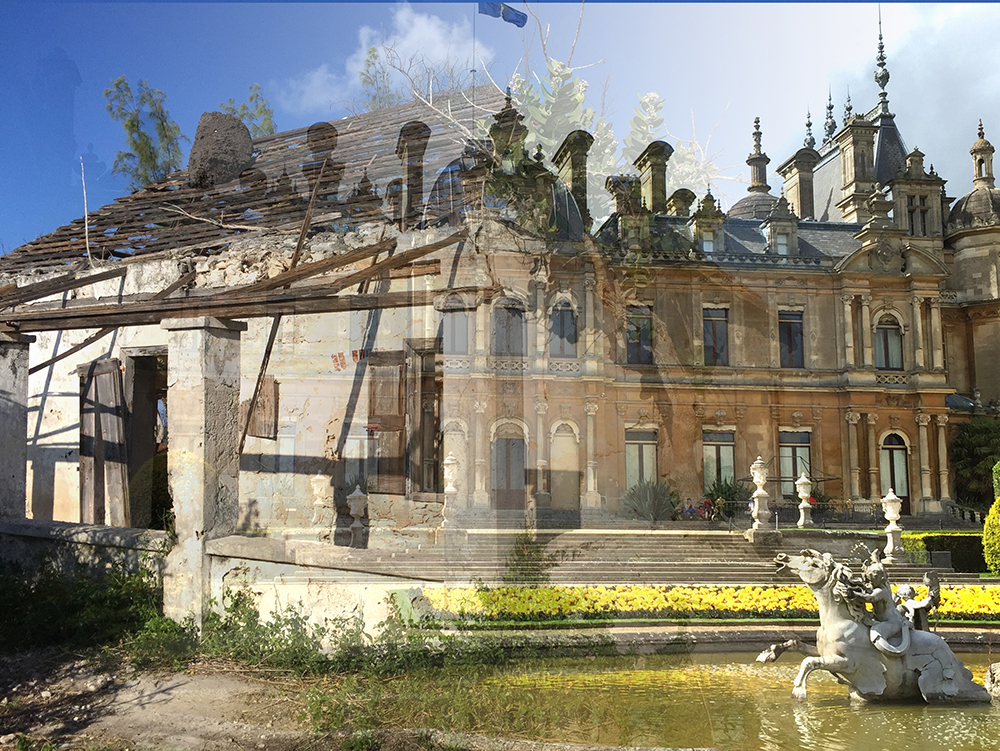
How much more value can we get out of tourism by really investing in Nassau and promoting small businesses like walking tours, garden cafes, and tea shops along with waterside bars? The longer we take to change the model of rot, the harder it is and the worse the actual situation gets. Why travel to downtown Paradise to see decay? Is it not better to remain locked in a resort or on a ship?
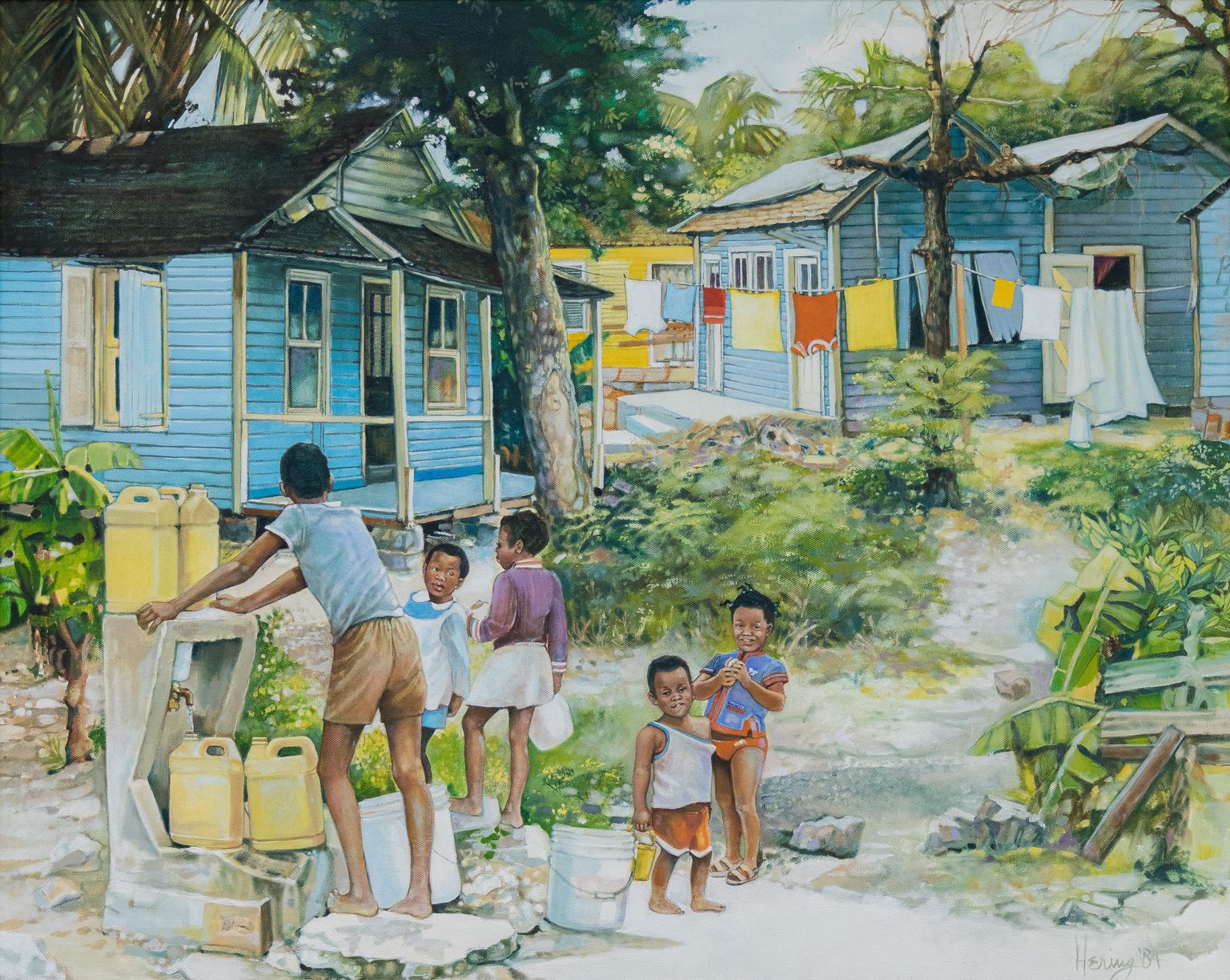
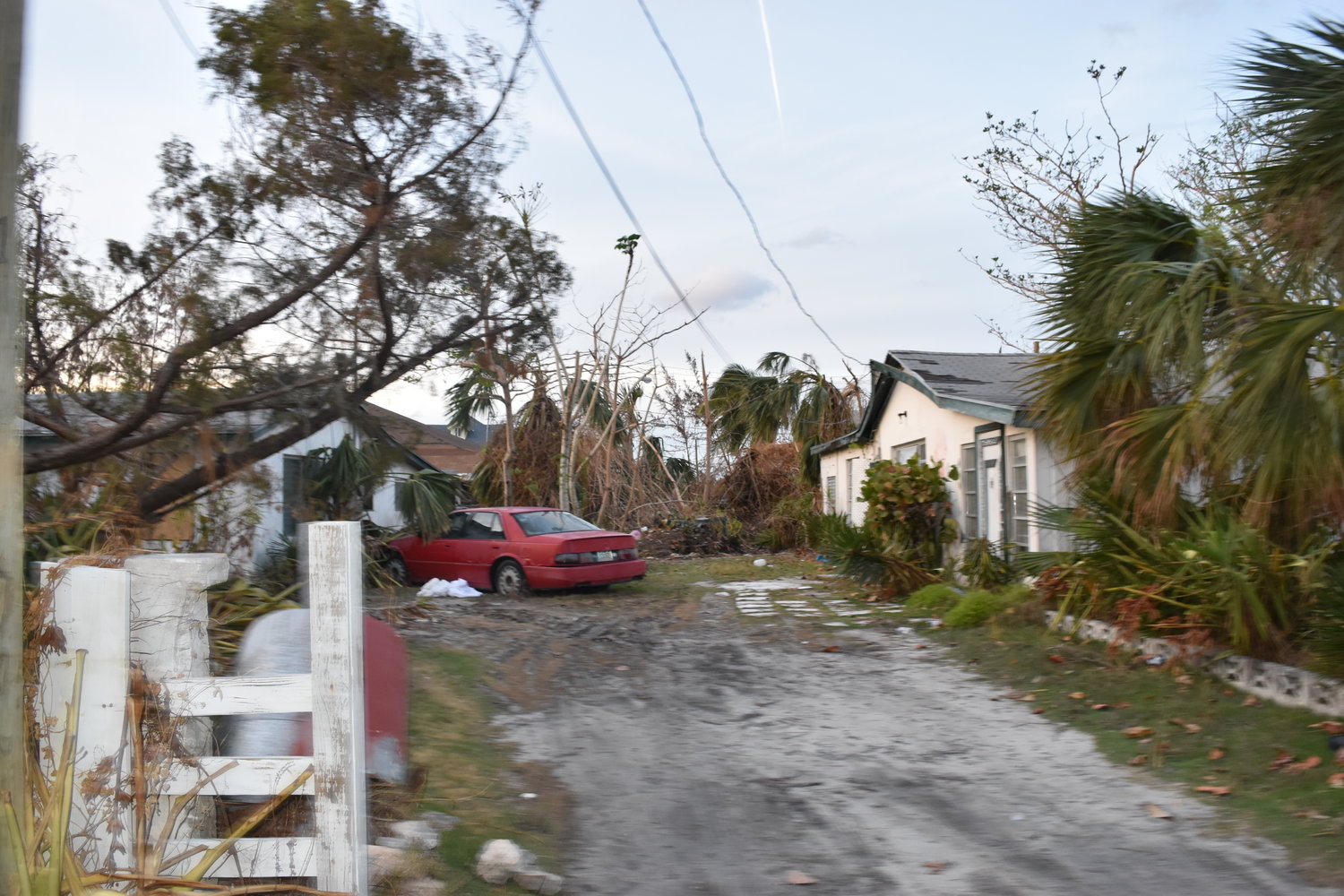
As the lushness of the island disappears in the wake of Hurricane Matthew, it is important to note the significance of imaging who we are and where we live. As Bahamians, we inhabit a geographic space that has beauty beyond words along with limitless possibility, and we must embrace our reality and step outside of the constructed, constricted reality being imposed on us.
Winslow Homer’s ‘Hurricane’ captures howling winds of the storm in The Bahamas, however, the image, though teaming with meaning and feeling, does not capture the magnitude of today’s super storms. These so-called superstorms bring with them devastation and trauma of epic proportions. The visual produced in Homer’s painting remains haunting and provides an interesting couple for the Gulfstream painting, and After the Hurricane, Bahamas as it shows a man shipwrecked on a desolate island.
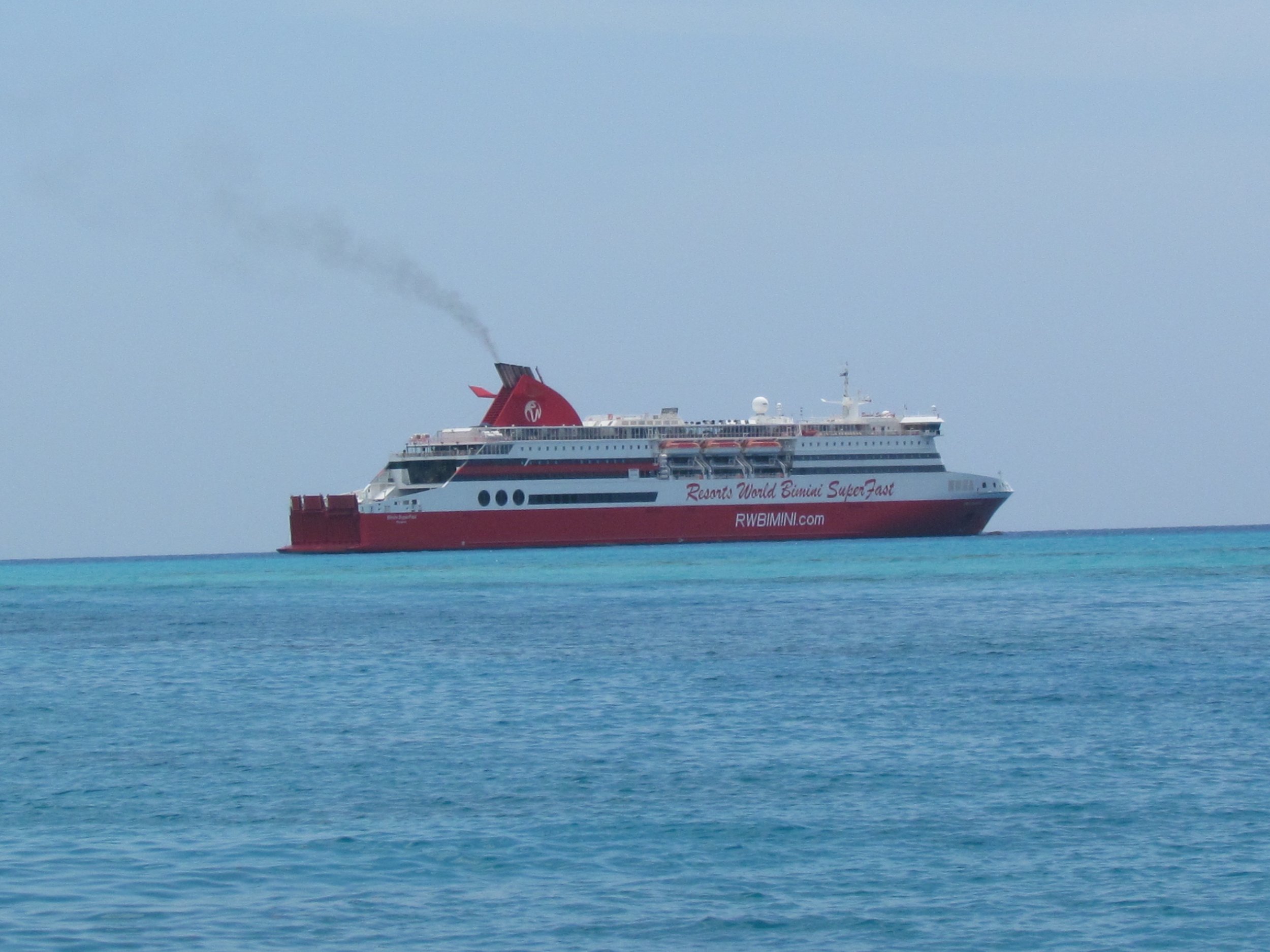
From Earnest Hemingway’s The Old Man and the Sea to his less-well-known Islands in the Stream, Bimini stars as an island full of adventure, liquor and raucous living, a man’s island, where fishing and drinking go hand-in- hand. Bimini has changed little since these books were written. Cultural integrity is essential for such a world-class tiny island. It is still a place of booze and boating.