Through clever composition, Rose’s images give the feeling of exclusion that mirrors the sentiments of our ancestors as they were confined to slave quarters.
Preserving the Forgotten
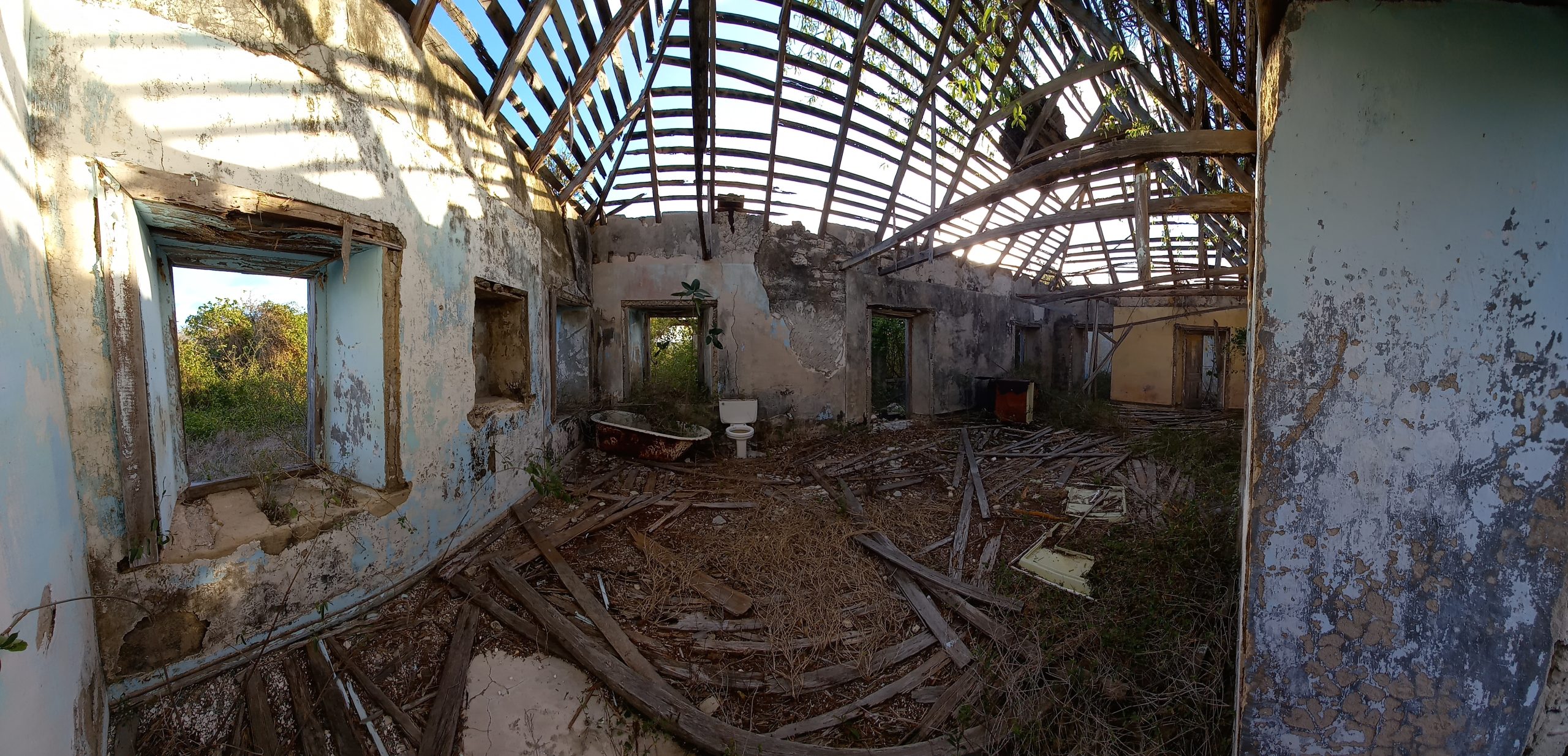
Through clever composition, Rose’s images give the feeling of exclusion that mirrors the sentiments of our ancestors as they were confined to slave quarters.
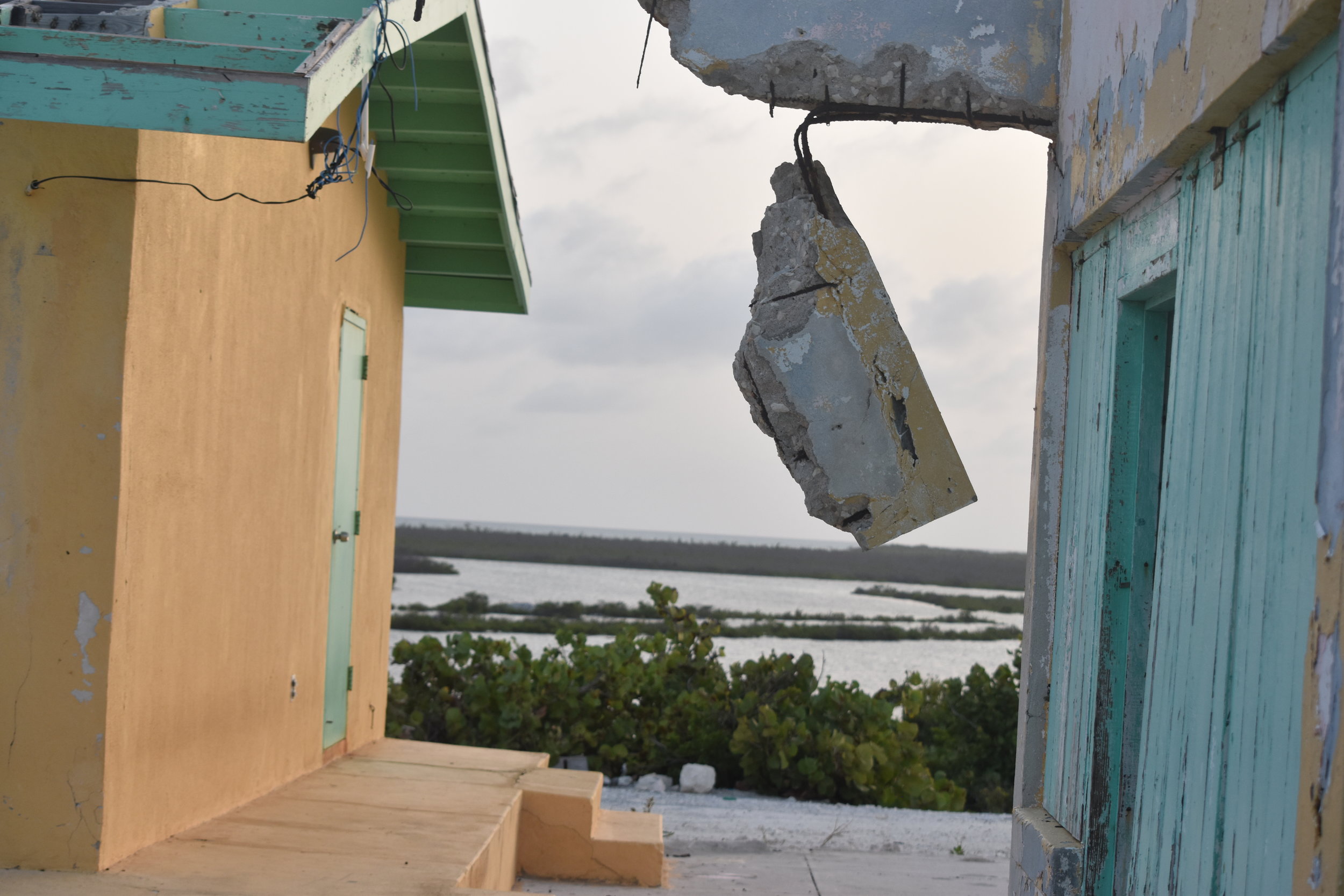
By Dr Ian Bethell Bennett, The University of The Bahamas. “I could be bounded in a nutshell, and count myself a king of infinite space, were it not that I have bad dreams.” – Hamlet, II.ii. Is it a bad dream, a nightmare provoking somnambulance? We all think the best of green gentrification because we have been taught, in spite of the climate sceptics, we need to do something to improve our resilience. We are also told by the media that while people know about climate change and the havoc it plays in their neighbourhoods, jobs are more important because many of us are one paycheque away from poverty.

By Dr Ian Bethell Bennett,The University of The Bahamas. Colonialism and coloniality in design occur when little is left of the past to remind us of the physical reality. On a recent trip to Cape Town, I had the pleasure of enjoying two spectacular spaces of art and design that showed how important it is to think through purpose and landscape and how the beauty of both can be made functional in the spaces created. I had the pleasure of stumbling into a nursery that doubled as an apparent antiquarian. The space was large and well-designed with room to breathe. Form and purpose combined with the art of design to speak to concepts of natural beauty, much like the wave design at the London Aquatic Centre at Stratford designed by Zaha Hadid especially for the 2012 Olympic games and constructed by Balfour Beaty; the perfect example of form, design and purpose merging and blurring lines of functionality and beauty.
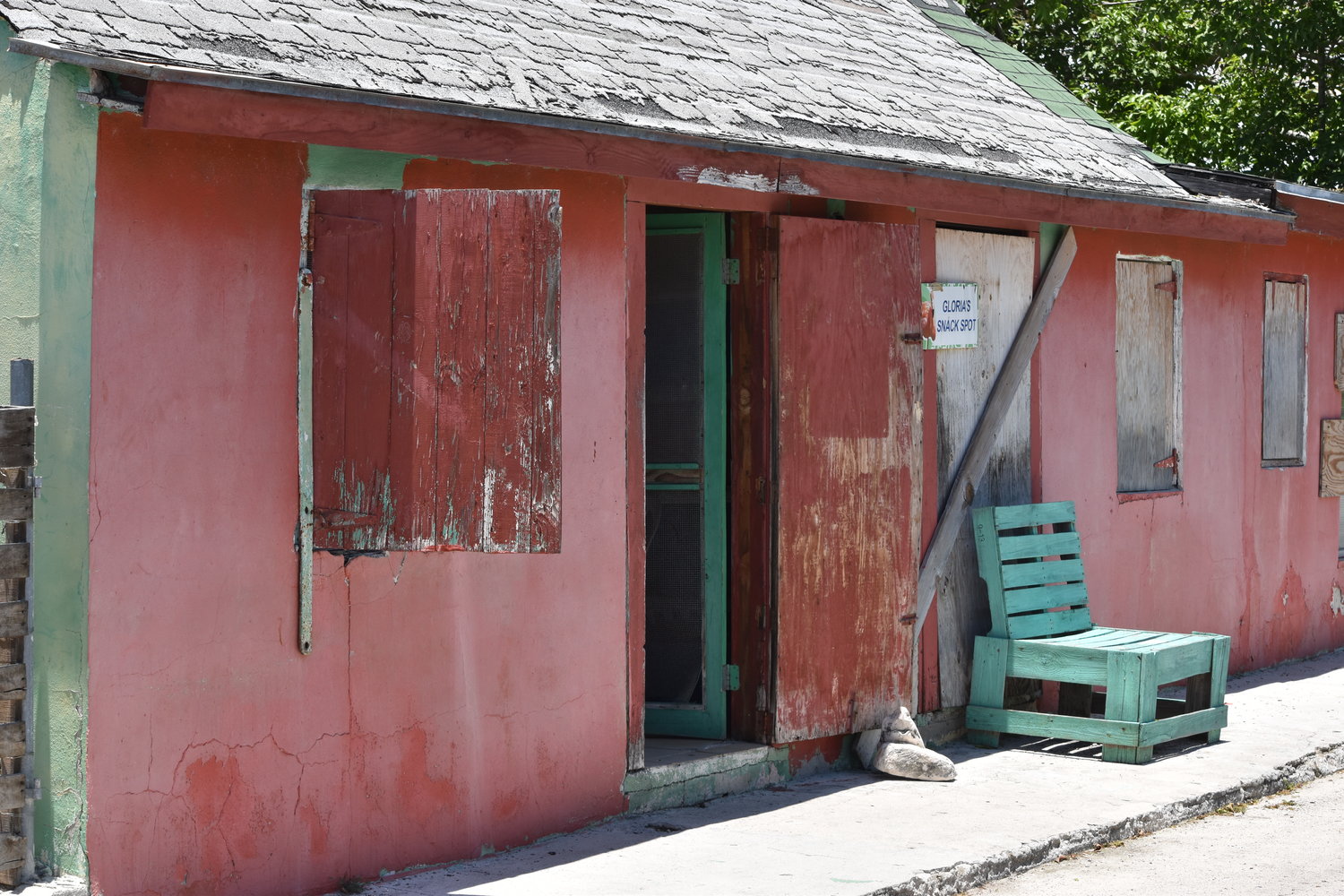
Cultural heritage, shockingly, is actually not unique to or owned by a people unless it is inscribed as such. So, as a nation, we think we are the sole practitioners of Junkanoo the way we perform it on Boxing Day morning and New Year’s Day morning, however, this unique cultural relationship does not endow us, The Bahamas or the Bahamian people with the right to use Junkanoo as we wish. We do not own the practice nor do we benefit from it, despite the fact that whenever we are invited as a country to an arts or culture festival we tend to drag an entire Junkanoo group with us. The nation and the state have been historically irresponsible when it comes to officially claiming and so protecting our cultural heritage.
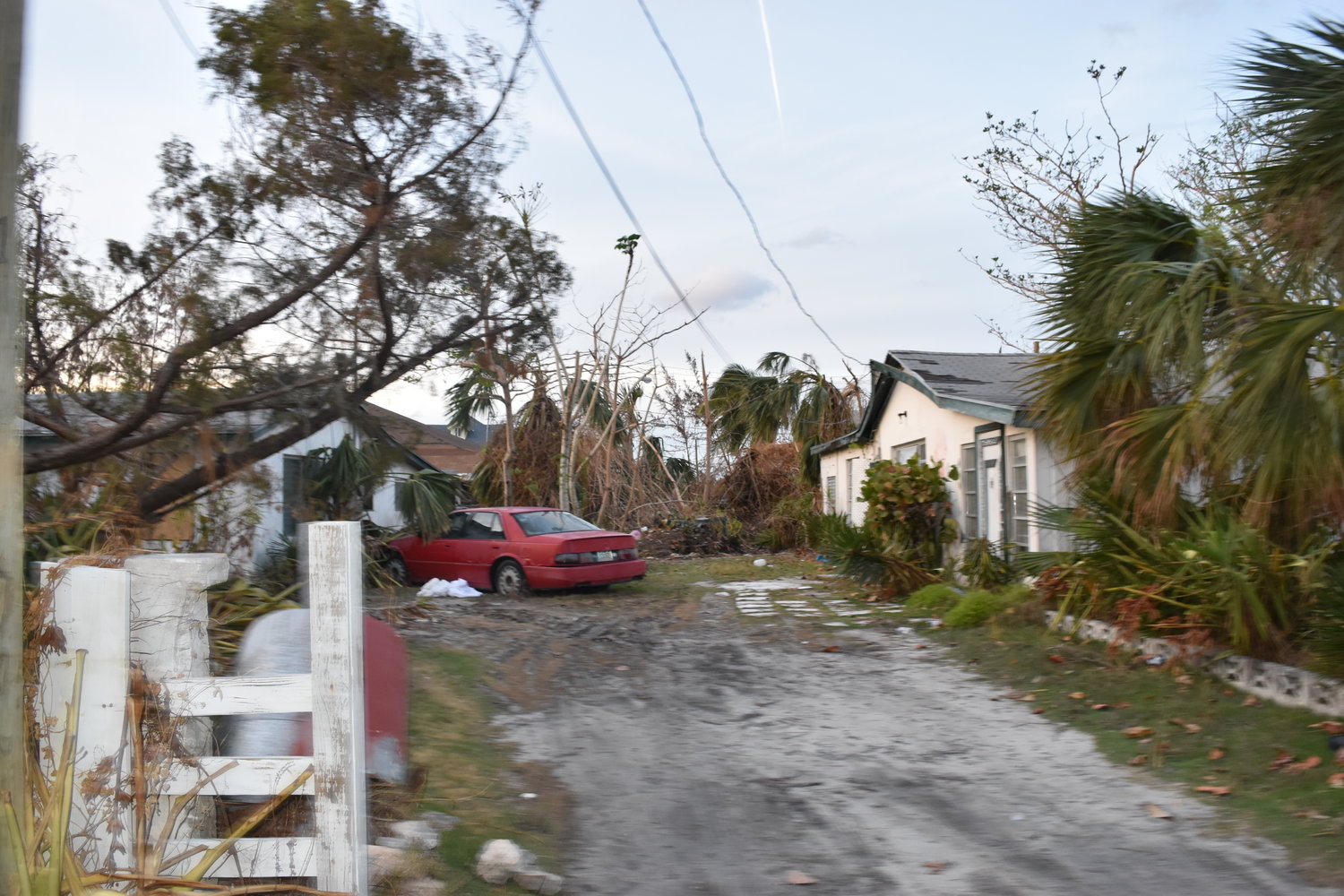
As the lushness of the island disappears in the wake of Hurricane Matthew, it is important to note the significance of imaging who we are and where we live. As Bahamians, we inhabit a geographic space that has beauty beyond words along with limitless possibility, and we must embrace our reality and step outside of the constructed, constricted reality being imposed on us.