Currently browsing: Articles

From the Collection: Lavar Munroe’s “The Migrant”

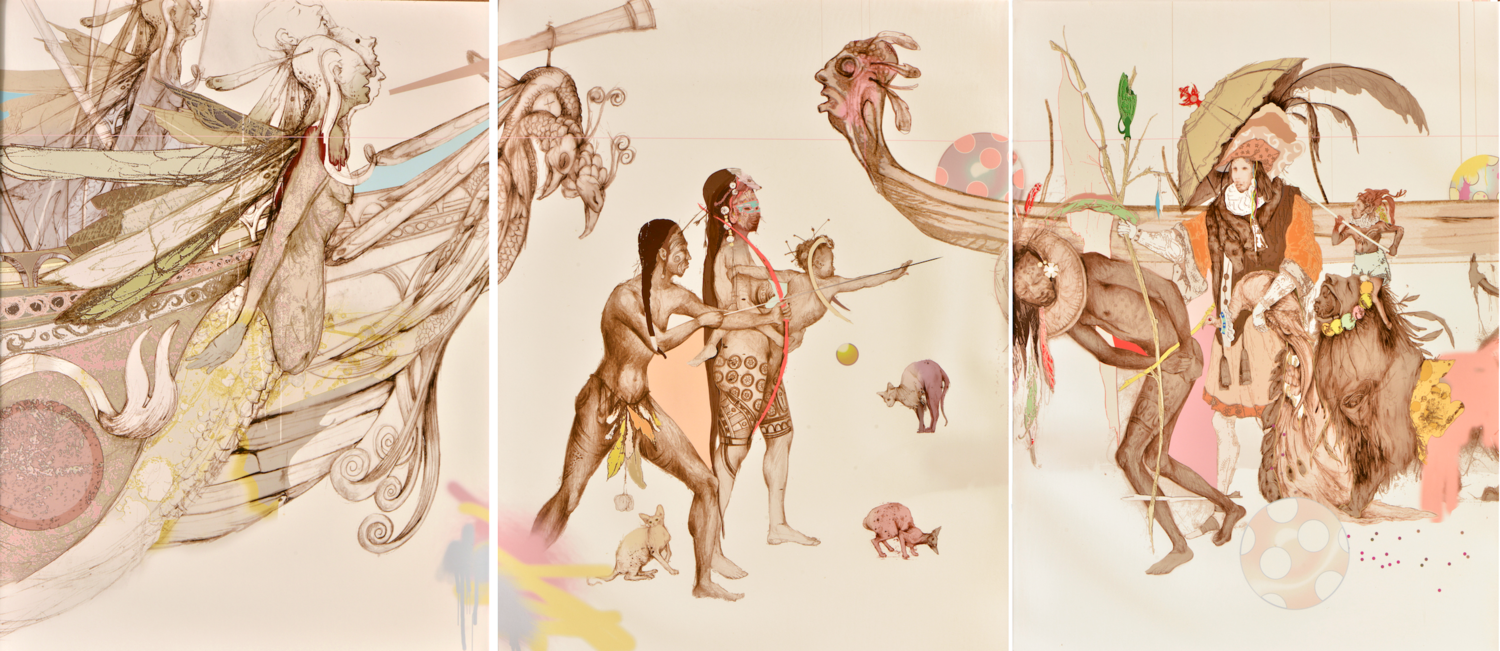
Lavar Munroe’s “The Migrant” is an illustrative portrayal of a spindle-legged, knock-kneed nomad carrying his home on his back. In many ways, the tale this digital print tells of the ubiquitous image of the immigrant is reminiscent of the Phil Stubbs classic song, ‘Cry of the Potcake.” The xenophobia and self-hate we deal with as a nation is quite easily summated in the lyrics of the catchy tune, “they don’t love me, they only know me when they need me,” and Munroe’s look at the struggle of the emigrant bolsters this when we think of our history as forced immigrants. For instance, can we image our Bahamas without teachers, nurses and doctors from elsewhere in the region working alongside those we consider to be ‘born’ Bahamians?

Learn more

Between the Devil and the Deep Blue Sea: Lavar Munroe deconstructs “The Arrival”

Lavar Munroe was born in 1982 in Nassau, The Bahamas, and currently lives and works in Maryland, USA. His works have been exhibited at the Venice Biennale, Italy; Nasher Museum of Art, USA; and the SCAD Museum of Art, USA. He graduated with a BFA from the Savannah College of Art and Design in 2007 and then earned an MA at Washington University in St. Louis. Alongside 5 other Bahamian artists, Munroe represented The Bahamas in the country’s first appearance at the Liverpool Biennale and has been awarded numerous prestigious prizes including a Joan Mitchell Foundation Painting and Sculpture Grant, a Fountainhead Residency and most recently a Post Doc Fellowship at the University of North Carolina, Chapel Hill. In other words, Munroe is on the up and up, his star now brighter than it has ever been.
Learn more

A Distant Bahamas: “Native Hut” (1915) by Hartwell Leon Woodcock

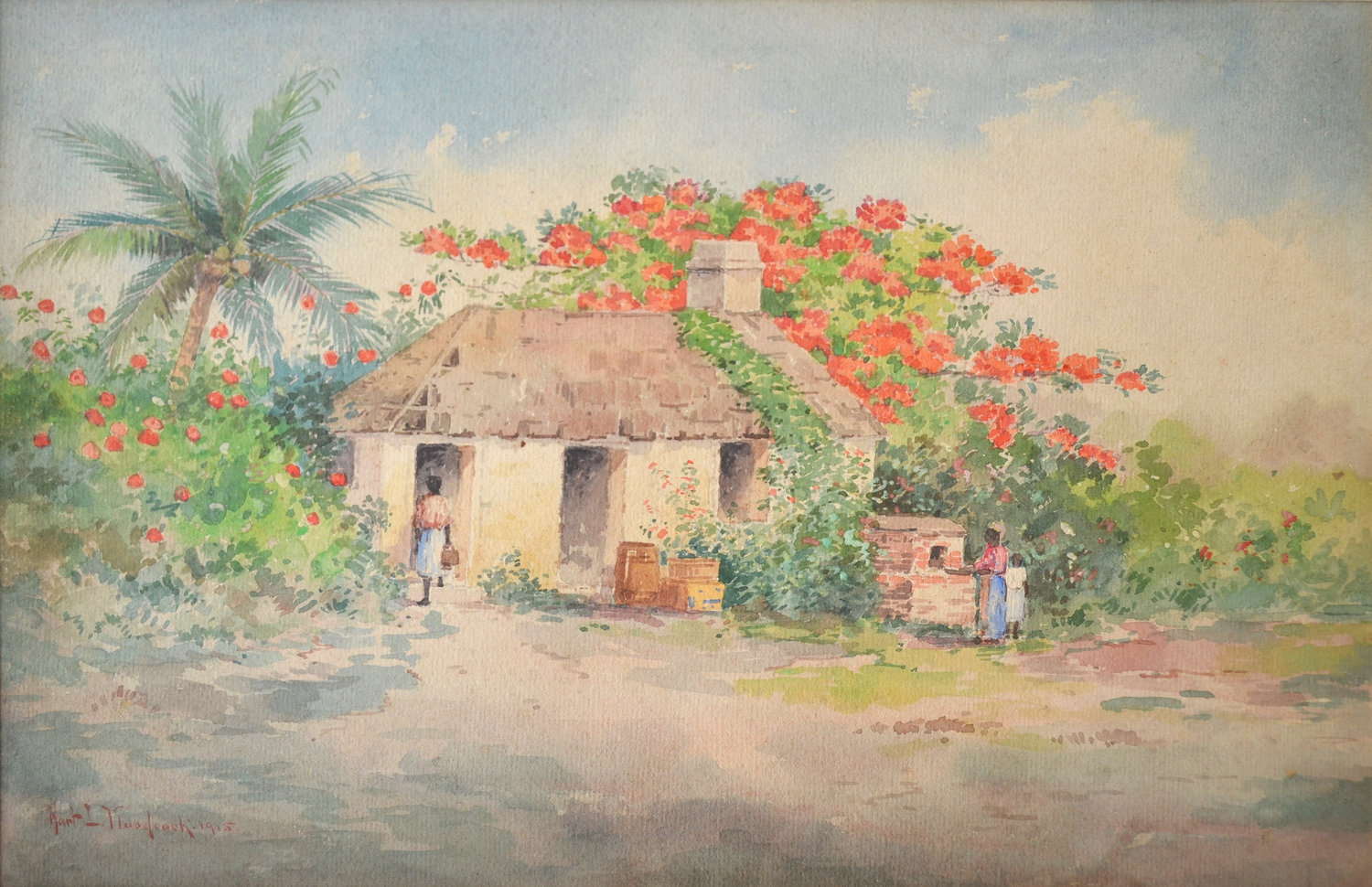
The American watercolour painter, Hartwell Leon Woodcock (1853-1929) is very much one of the typical representatives of British colonial-period painting where The Bahamas is concerned. His quaint depiction of a Bahamian home and landscape – complete with outdoor amenities associated with the time – fits in with the usual canon of charming images from the era. In “Native Hut” (1915) this portrayal of the Caribbean picturesque is precisely why the work was chosen as part of the 2017-18 Permanent Exhibition, “Revisiting An Eye For the Tropics,”, and why it is an important part of the National Collection.

Learn more

Cultural Heritage & Erasure: “Protecting our inheritance and patrimony”

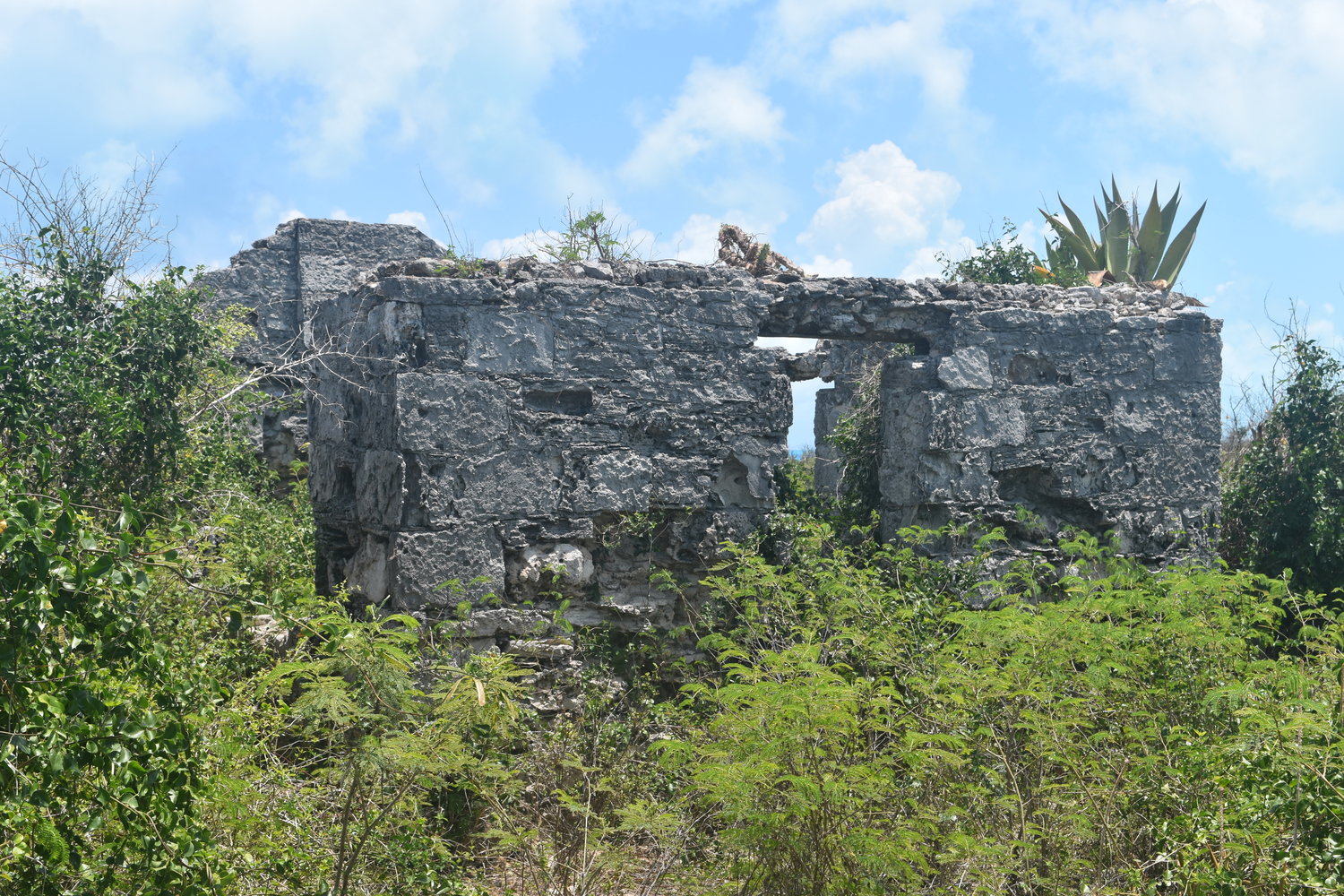
How do we forget that when we lose our tangible culture, we actually also lose our intangible culture?  They usually go together.  Culture is not just a product that we package and sell.  It is actually a process, a way of life, a rhythm that is embodied in a place.  Exuma and Long Island, Acklins and Bimini have very different rhythms. They do not all practice Rake ‘n’ Scrape the same way, nor do they cook the same dishes in the same fashion.  Boat building on Abaco is different from boat building in Long Island; each community has its own identity and rhythm that does not conform to national structures.

Learn more

Ferguson’s Fantastic Dragon: Blending the imagination with the biblical

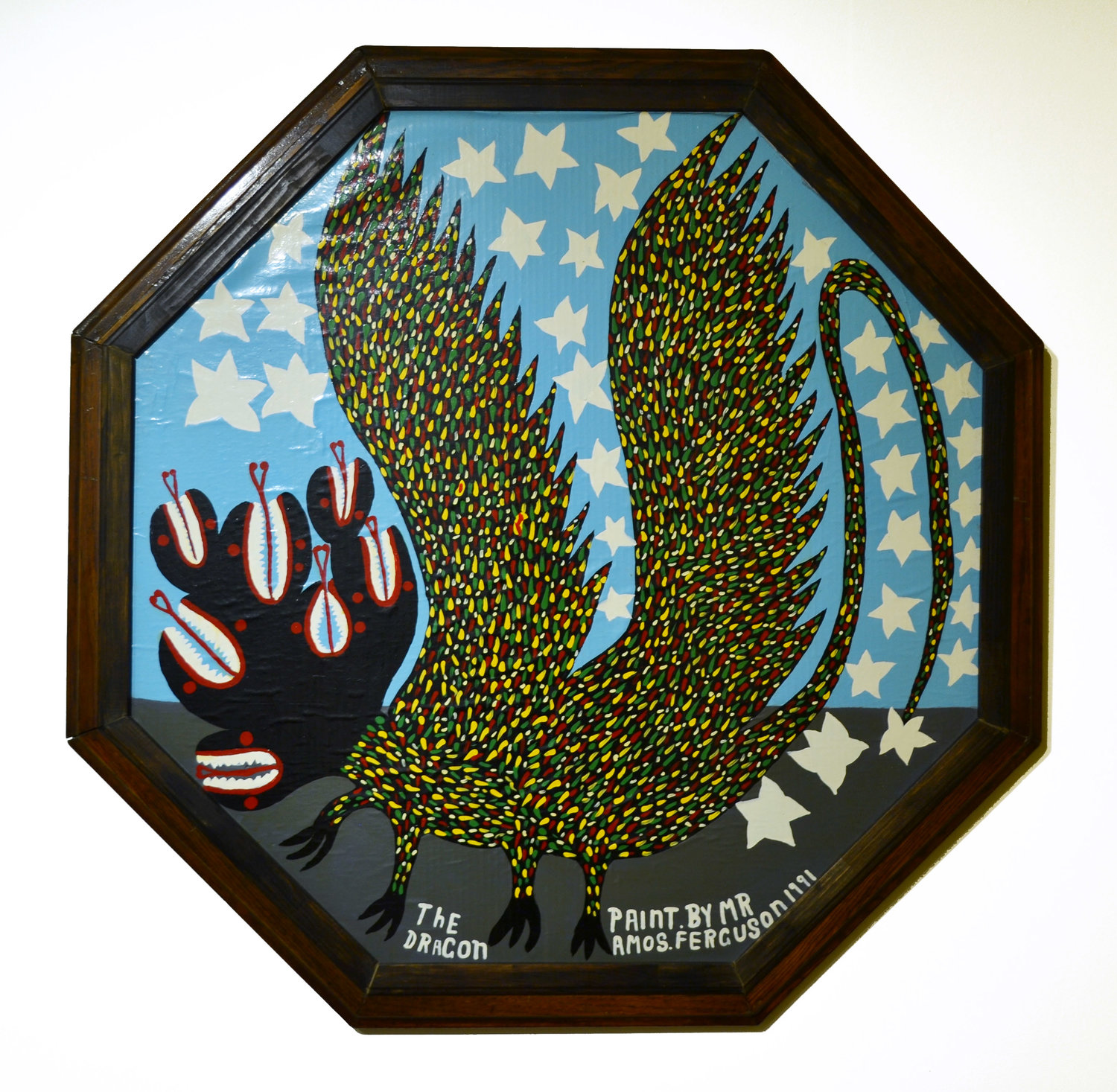
A fire-breathing hell-beast, a scaly winged thing of fantasy – sometimes good, sometimes dangerous and greedy: Dragons. Not a staple in the established subject matter for Amos Ferguson, but nonetheless a treasure in the National Collection, an entity worthy of having an epic flying reptilian guarding it for sure. Ferguson’s “The Dragon” (1991) is an outlier for a lot of reasons. While his usual practice includes references to biblical scenes, Bahamian folklore, and more often than not, Bahamian scenery – with the iconic titles painted in Bahamian vernacular that act as a mirror for our particular language traditions, this piece doesn’t quite typify his practice.

Learn more

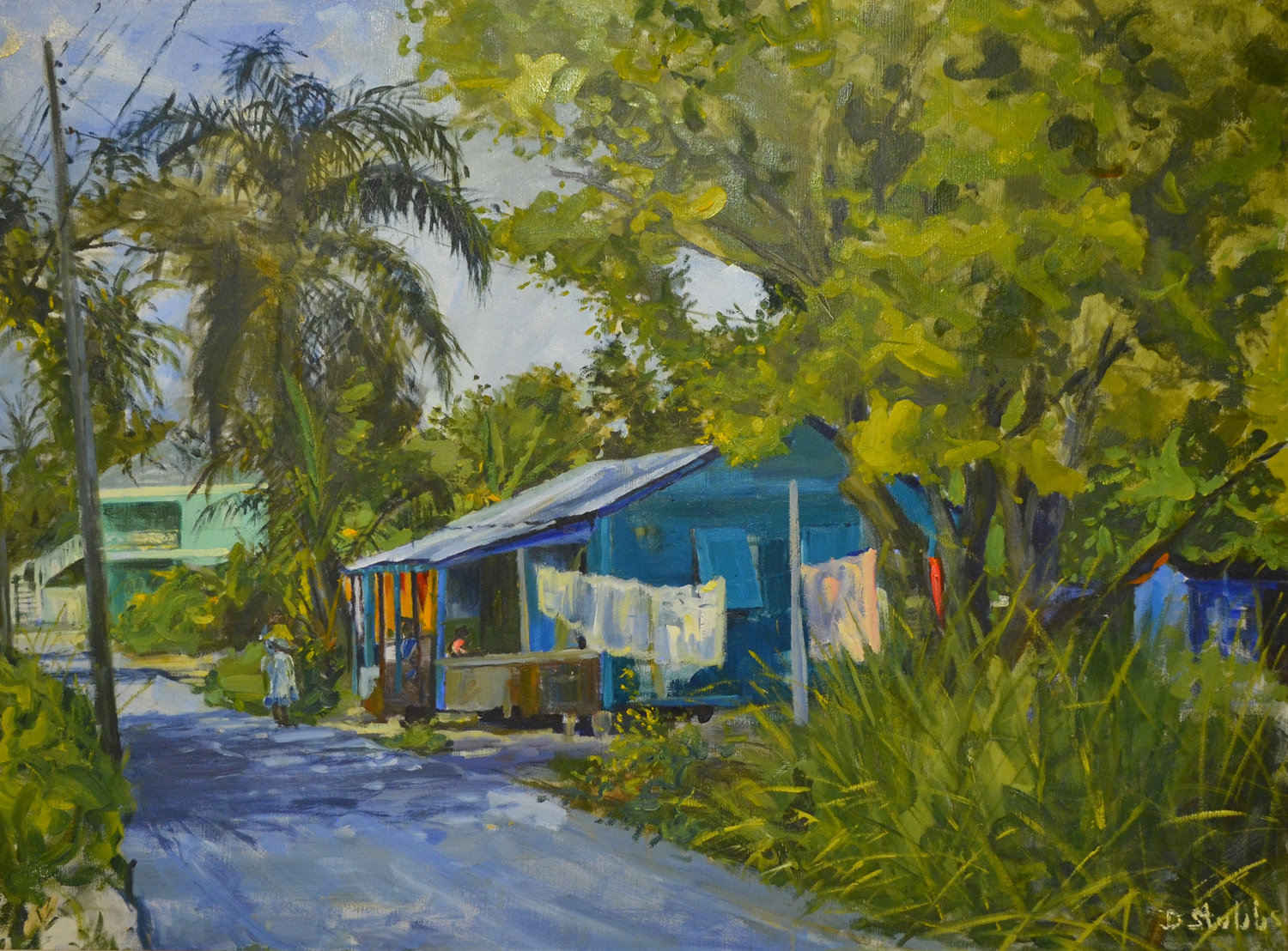
Beauty in Bain Town: How does Over-the-Hill Fit Into the Bahamian Picturesque?

Bain Town is a space of much notorietythese days, as a number of historically freed slave villages on the island have grown to be, but it wasn’t always so, and there is certainly a need to celebrate the history of these areas and the sense of community and pride amongst those who remember how different the place was merely a few decades ago. So many of our major artists in The Bahamas came from Over-the-Hill, perhaps most notably our beloved Maxwell Taylor, and embracing the greatness that comes out of these communities is important.

Learn more

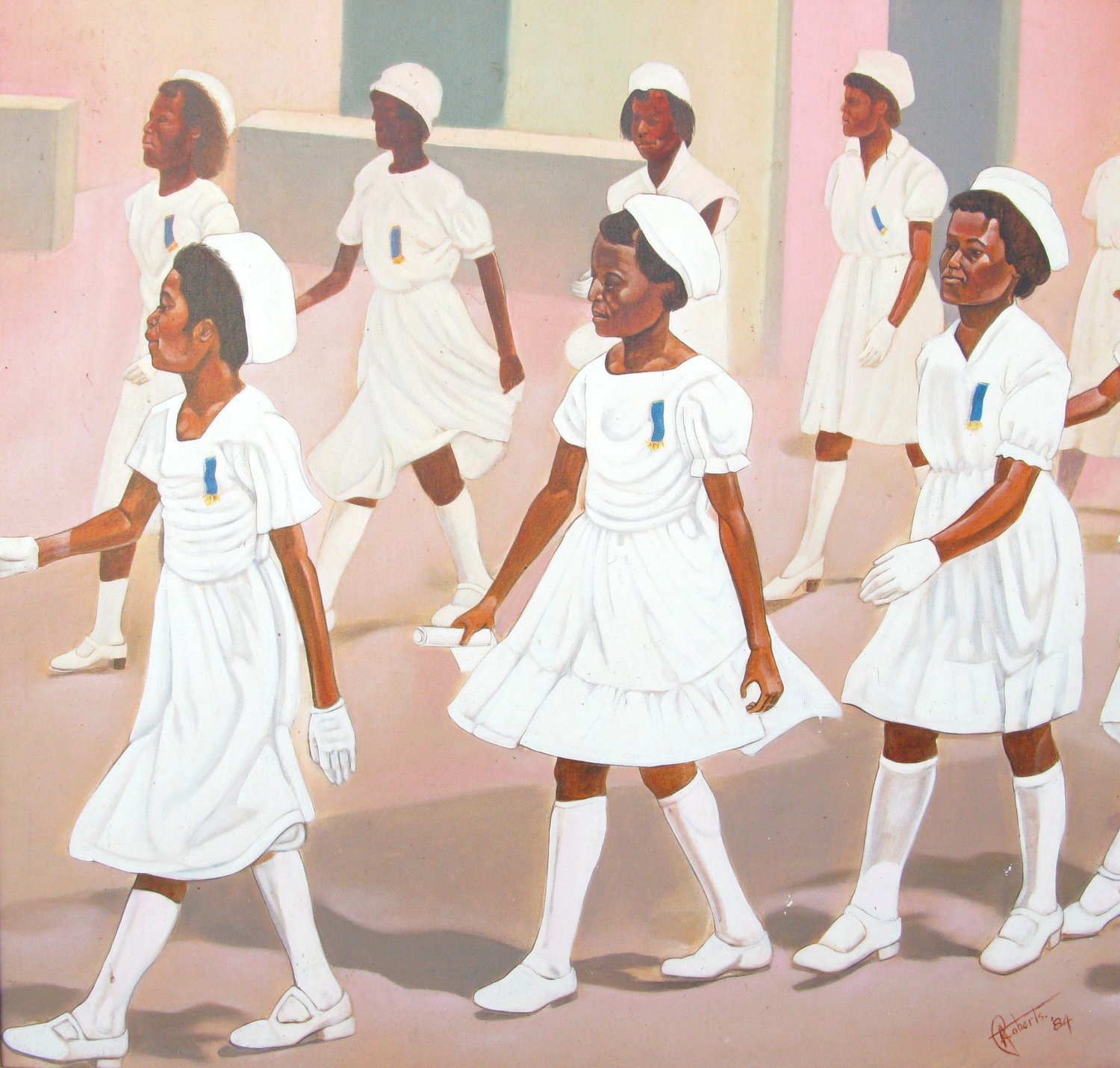
Antonius Roberts “Procession of Females in White Uniforms”

Antonius Roberts, one of The Bahamas’ leading artists, exploring themes of nature, humanity and spirituality through a diverse range of genres. This May, we focus on his piece, “Procession of Females in White Uniforms” as our Artwork of the Month. The painting is a part of the Gallery’s National Collection and currently on view in the Permanent Exhibition “Revisiting An Eye For The Tropics”.

Learn more

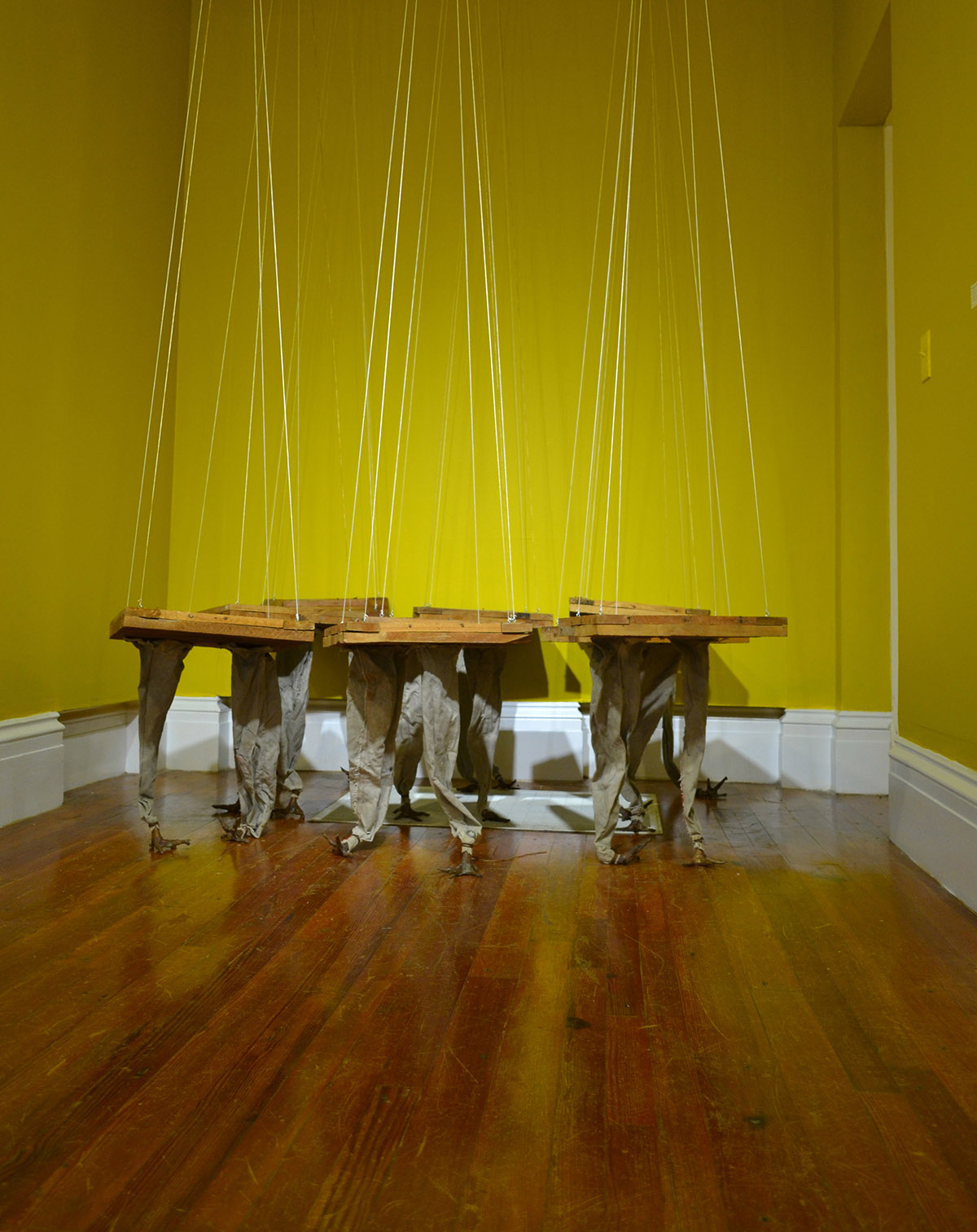
Kendra Frorup’s Domestic Chickens

Kendra Frorup’s ‘Domestic Chickens’ (2007) installation is one of the lesser-known pieces in the National Collection. The 2017-2018 Permanent Exhibition, ‘Revisiting An Eye For The Tropics’, is a departure point for us to look to the way the past has informed the present aesthetic in Bahamian artwork, and also importantly to showcase the works in the National Collection and remind us of what we have ownership and pride over as Bahamians.

Learn more