Public art – and its multitude of offshoots: street art, public sculpture, murals, mosaics – has a colourful history with many facets.
Urban Scrawl: The potential for public art projects in Nassau
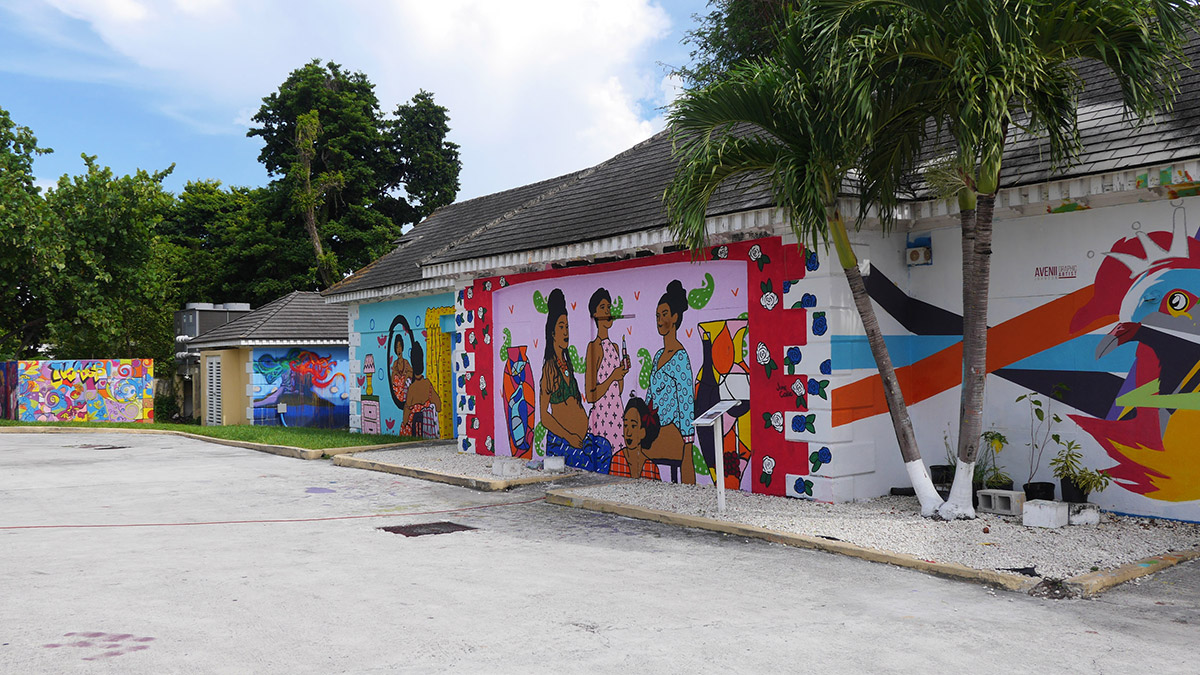
Public art – and its multitude of offshoots: street art, public sculpture, murals, mosaics – has a colourful history with many facets.
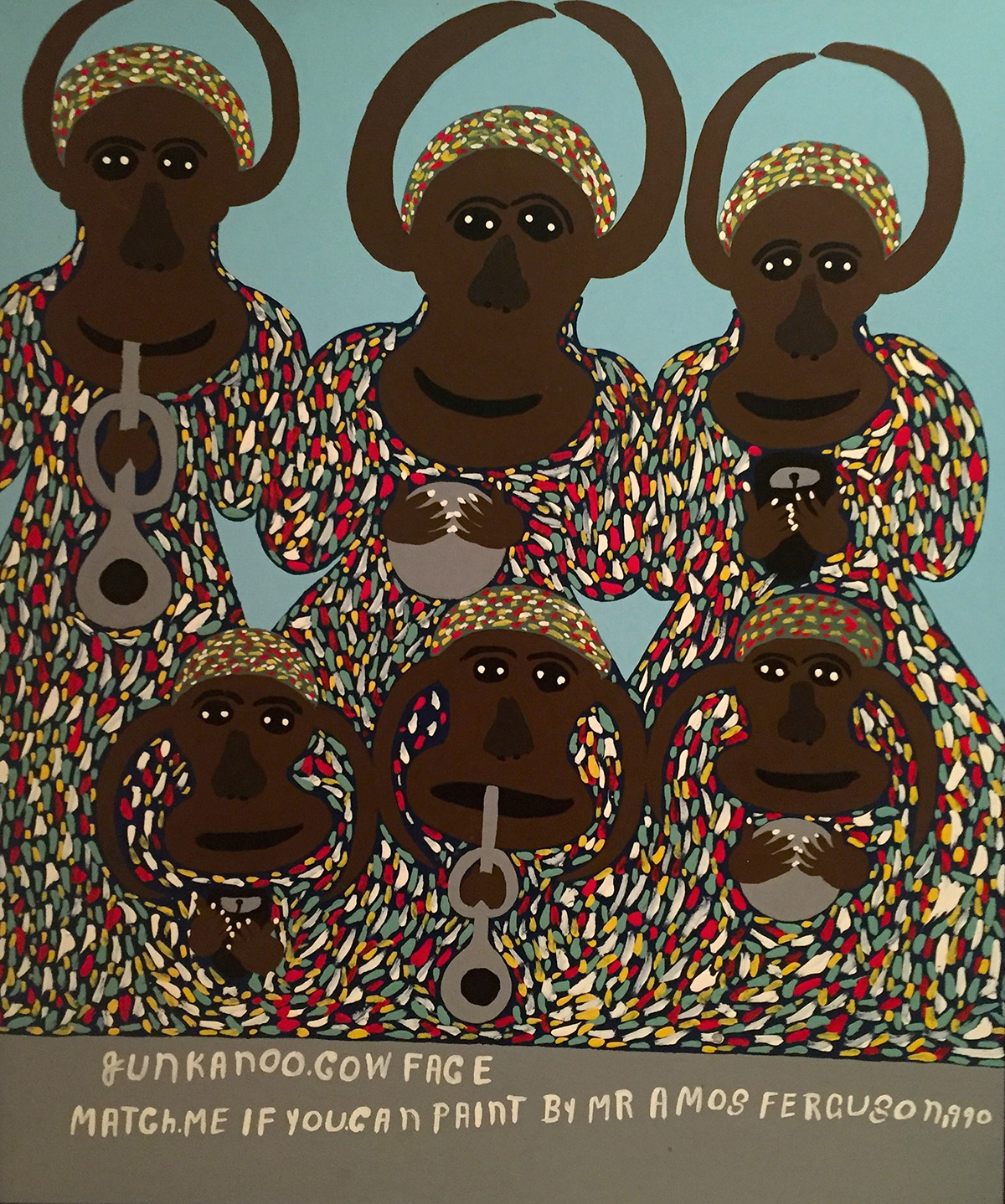
The National Art Gallery of The Bahamas was an idea long before it was a reality. Many artworks, therefore, had been purchased and earmarked for the collection before its eventual incarnation in 2003. The Bahamian National Collection, now housed with us in the magnificently restored Villa Doyle, was originally founded on the purchase of 25 Amos Ferguson works.
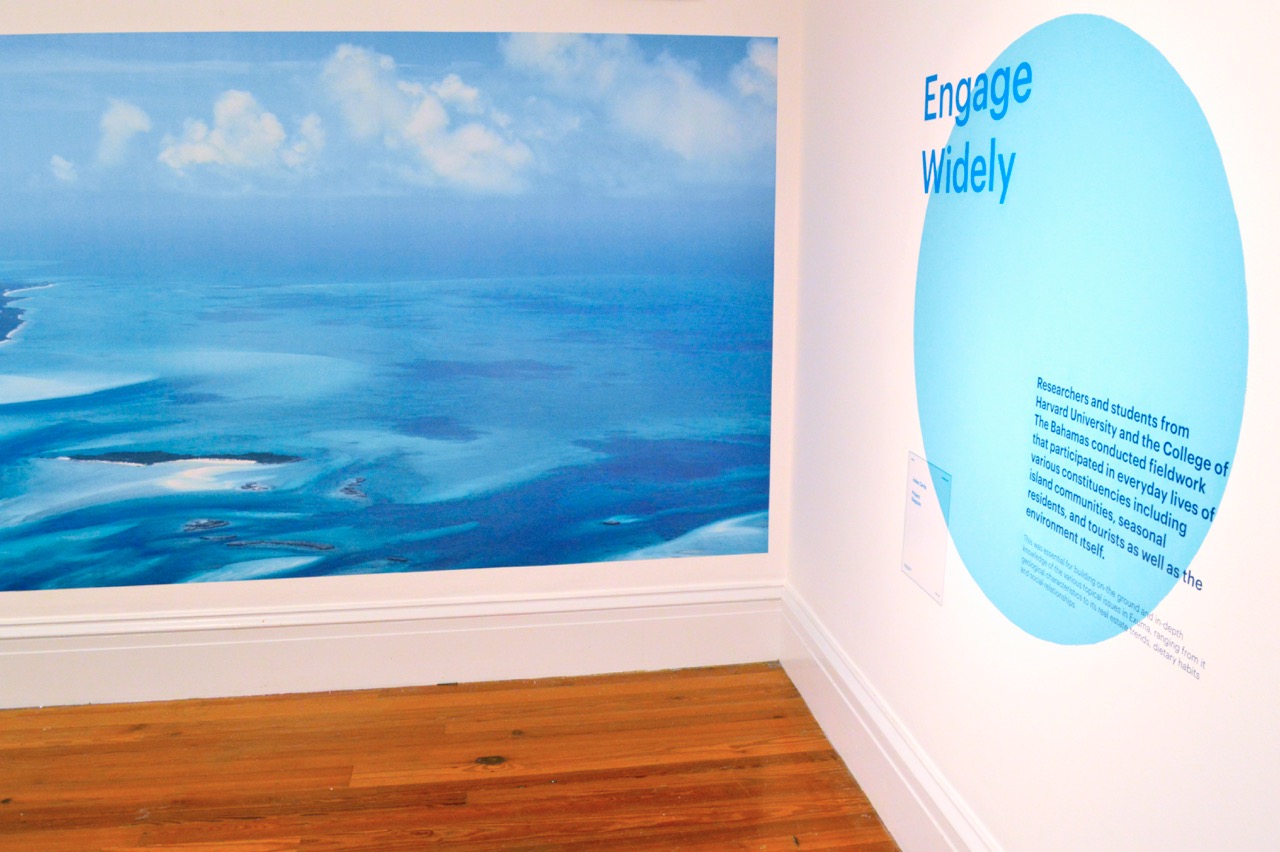
By 2050 the world sea levels are expected to rise a staggering amount, leaving low-lying areas like our archipelago nation to question our future existence and the way we live on this planet, not to mention the millions of people who could be displaced by this gradual flooding. Global environmental pressures are reaching a steady climax, and we are faced with having to change the ways we live to secure a more sustainable future, not just environmentally, but economically as well.

Exuma-blue waters, white sandy beaches and ruins overlooking magnificent views: Exuma has become the new place to vacation in The Bahamas, but Georgetown has had that honour since the 20th Century: it was the chic place to be. Offering a beach on the Tropic of Cancer that can compete with any in the world, Exuma is now the home of an all-inclusive Sandals resort that replaced the former four-star Four Seasons Emerald Bay that was beleaguered by labour problems and closed when it was unable to function at its customary high standards of excellence. Chat and Chill along with many small businesses offer entertainment and great food.
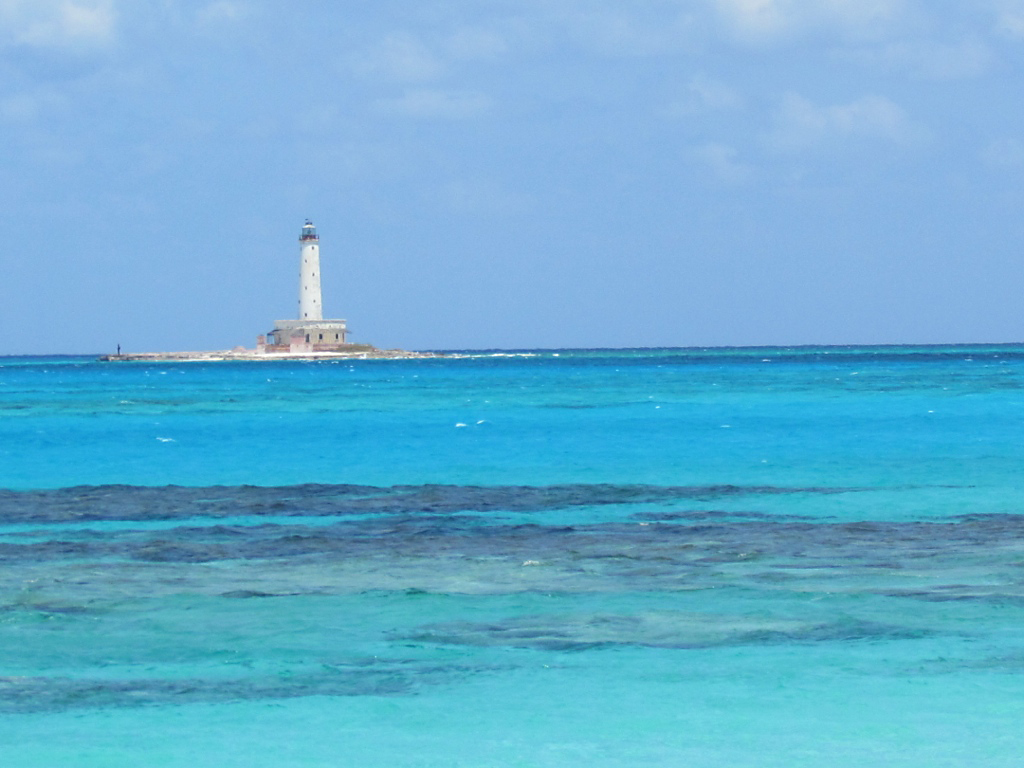
In last week’s Art and Culture feature, Dr. Ian Bethell-Bennett shared Chapter One of his travels and thoughts on development and sustainability on Long Cay. This week we follow up with Chapter 2, which expands on his observations. Long Cay holds beauty and tangible history.
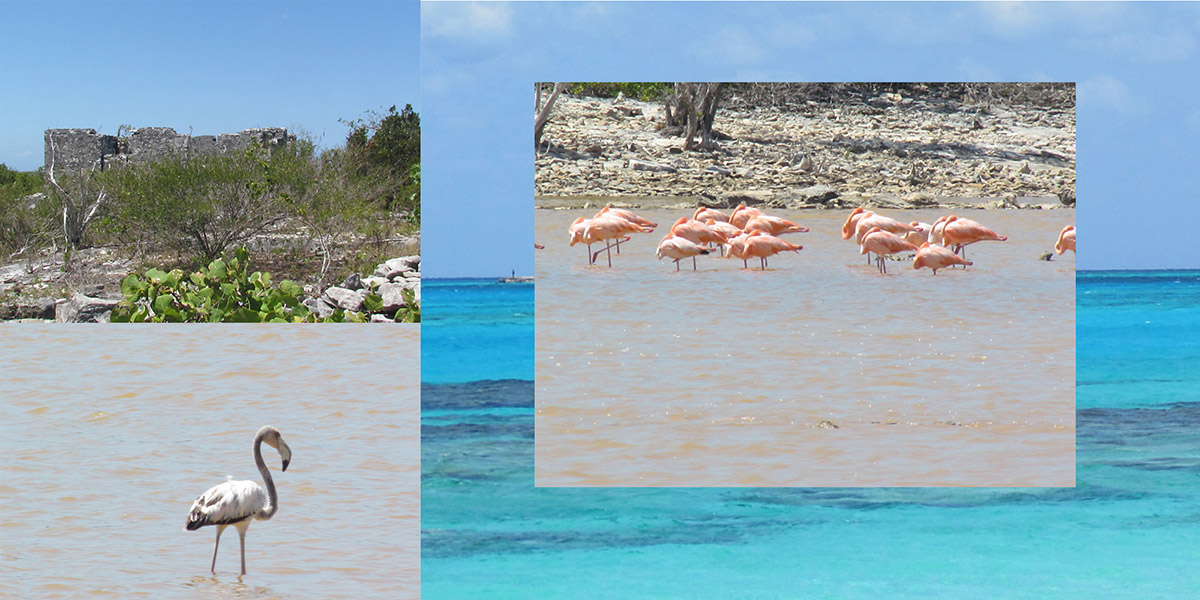
Sitting on a breezy, sandy thoroughfare from the east to the west of Long Cay, silence is only interrupted by a creaking door and rolling seas washing ashore on a pink sandy beach, where history has been washed out by time and bleached by the sun.
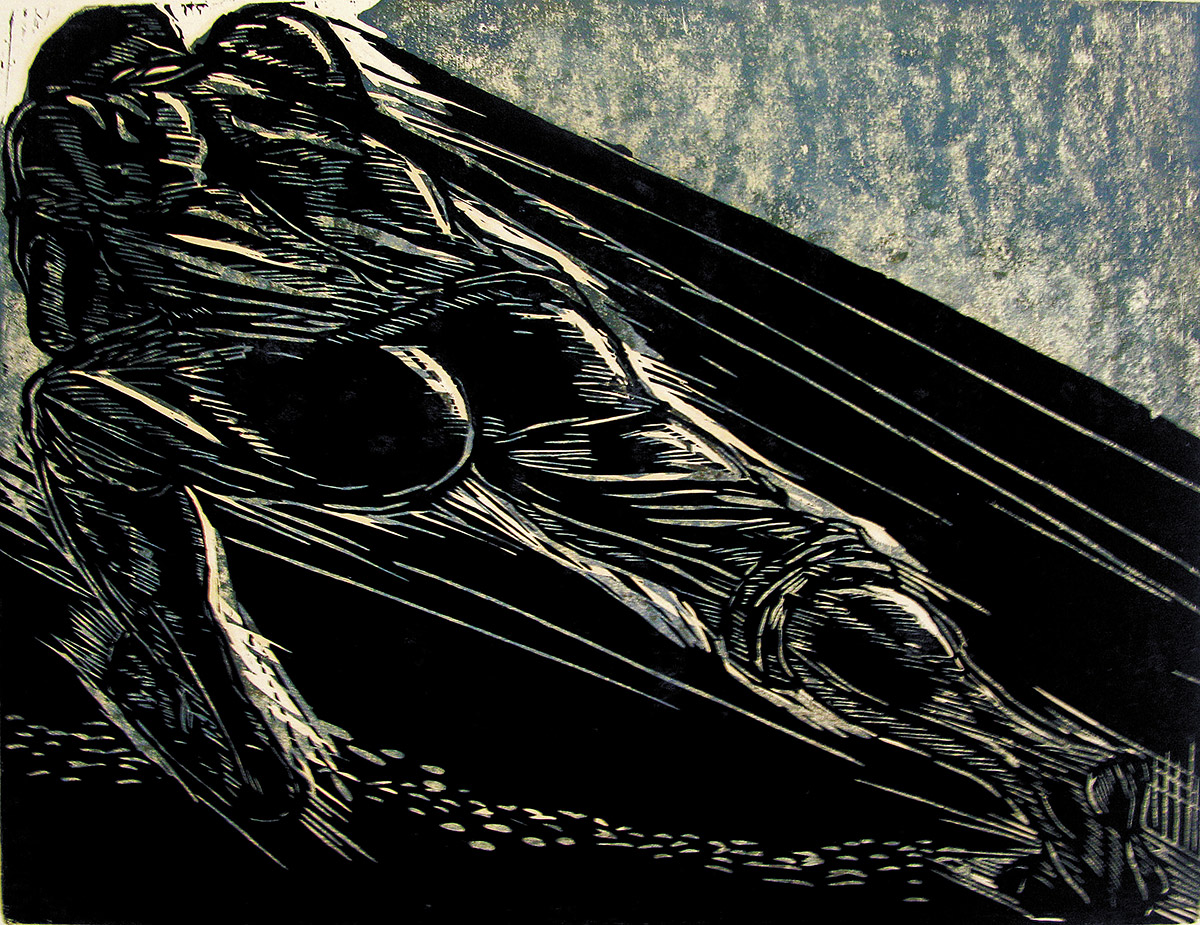
This month’s selected artwork is a woodcut print on paper entitled “Pulling Nr. 1,” (1982) by Maxwell Taylor—a painter, printmaker, sculptor, ceramicist and draughtsman. The work is currently on show alongside other Taylor drawings and prints, as well as many other artists, in the exhibition “From Columbus to Junkanoo” curated by Jodi Minnis and Averia Wright.
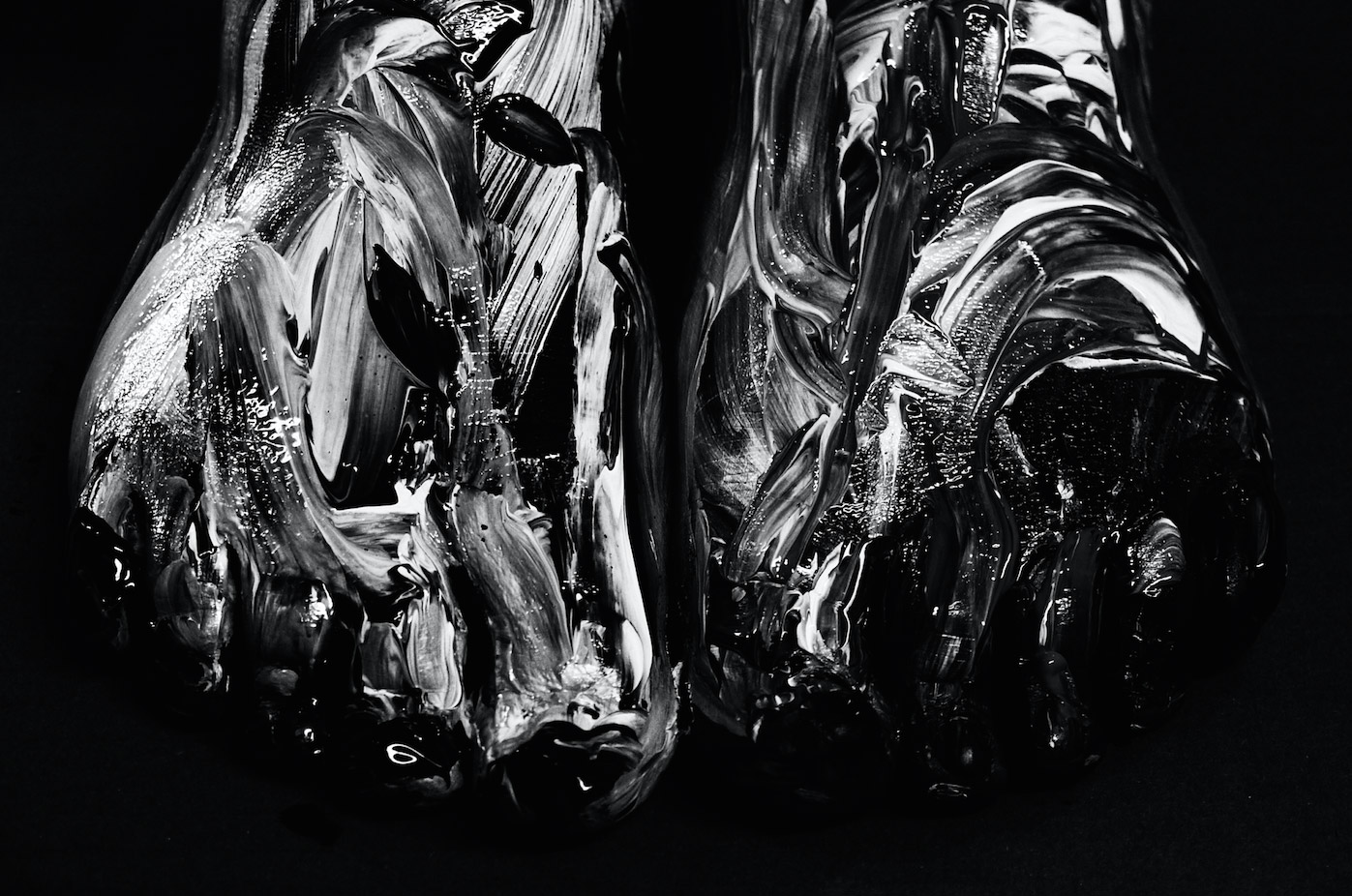
Nowé Harris-Smith, an emerging Bahamian artist, shows us her foray into reconciling the tension between two battling mediums; tensions between reality and the imagined, between the ideas of bodies as symbols of our individuality but also as unifying vessels of the universality of our human experience.
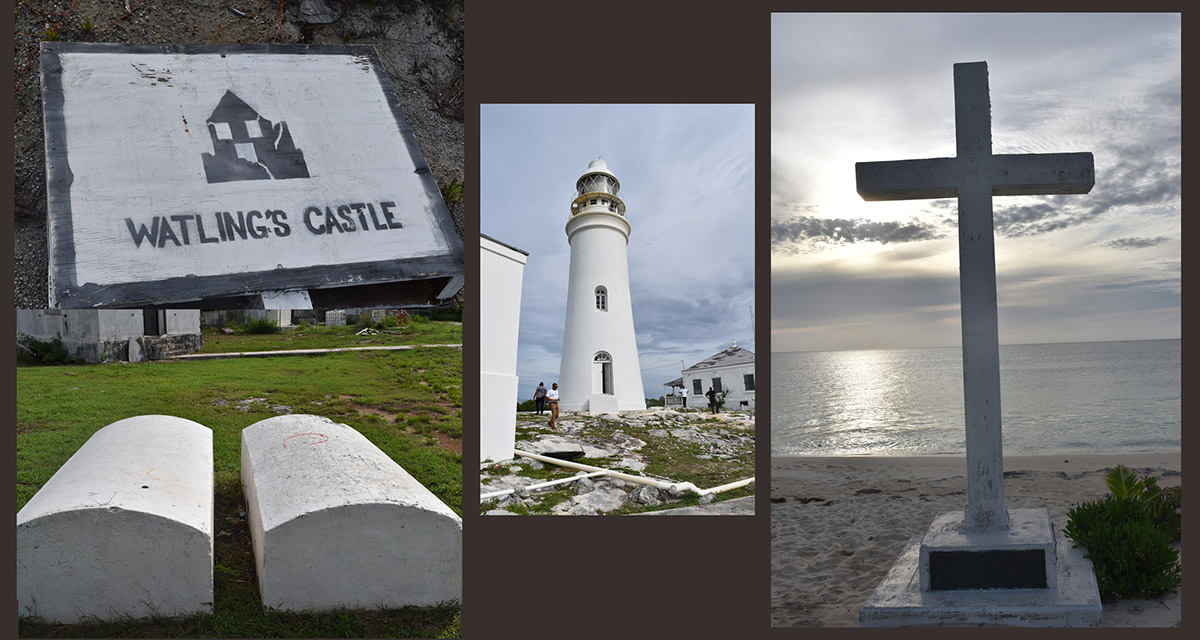
New Economies of Culture We often talk about the importance of cultural tourism, but perhaps few of us understand what that means or even why it could benefit us as a country. Cultural tourism has become one of the largest drivers in tourism mobilisation over the last decade.
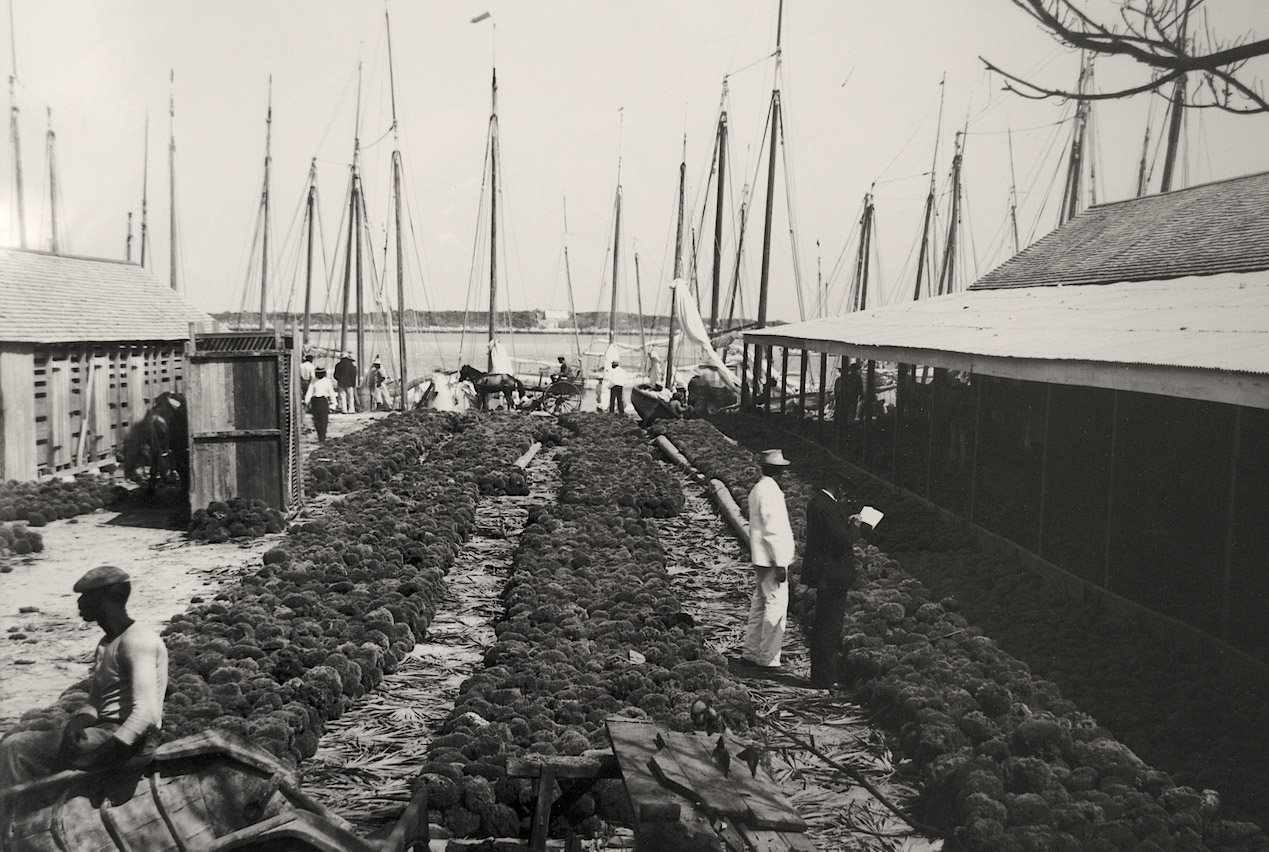
Scraped up from the beds. Uprooted. Carefully picked and collected. Transported by boat. Beaten. Sun-dried. Clipped and polished. Sold to the highest bidder. The sponge industry of the colonial Bahamas as represented in Jacob F. Coonley’s ‘The Sponge Yard’, an albumen print circa 1870, shows neat rows of sponges laid out to dry, to be clipped, to have the animal remains eroded away by hours in the sun