All posts tagged: Collection

Exploring Themes of Longevity and Survival in Kendra Frorup’s Work

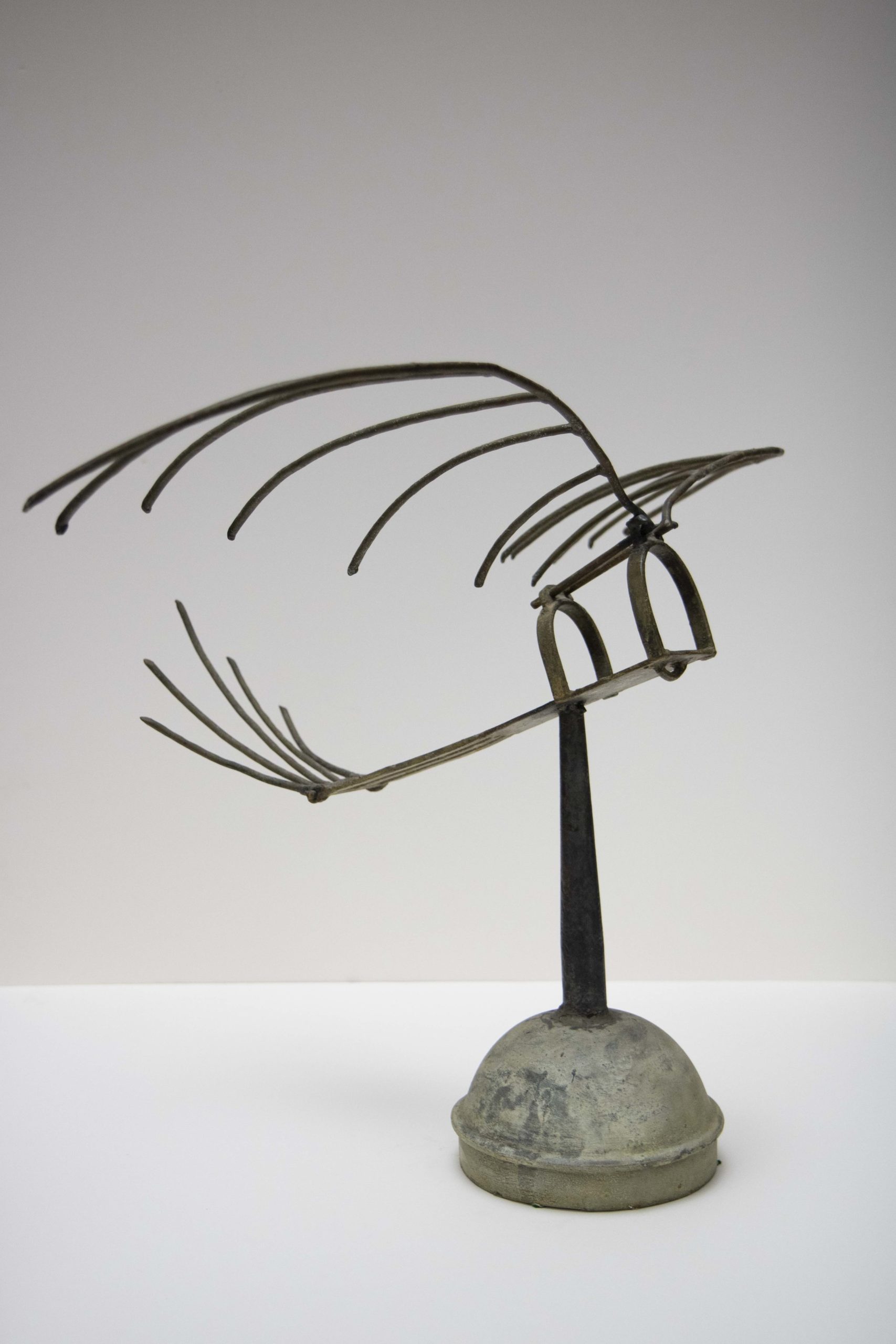
By Blake Fox. Conservation of artworks is a crucial tenet of museums. Richardo Barrett, the curator of the new re-hang of the NAGB’s Permanent Exhibition (PE), “TimeLines: 1950-2007,” has worked in the Bahamian visual arts community for six years. In a speech at the unveiling of the new hanging, he noted the broad range of materials that he has encountered—including art made from sturdy ceramic, over to ephemeral seeds. Barrett further expressed his interest in—and the importance of—the survival of these materials for years to come. The conversation surrounding materials–the impermanent and the enduring–has been crucial in the curation of the recent rehanging of the Permanent Exhibition. The museum is having to ask and answer difficult questions around how we conserve works to ensure that they survive–especially in our tropical, humid climate–for generations to come.  

Learn more

From the Collection: “Poor Man’s Orchid” (1989) by Sue Bennett-Williams

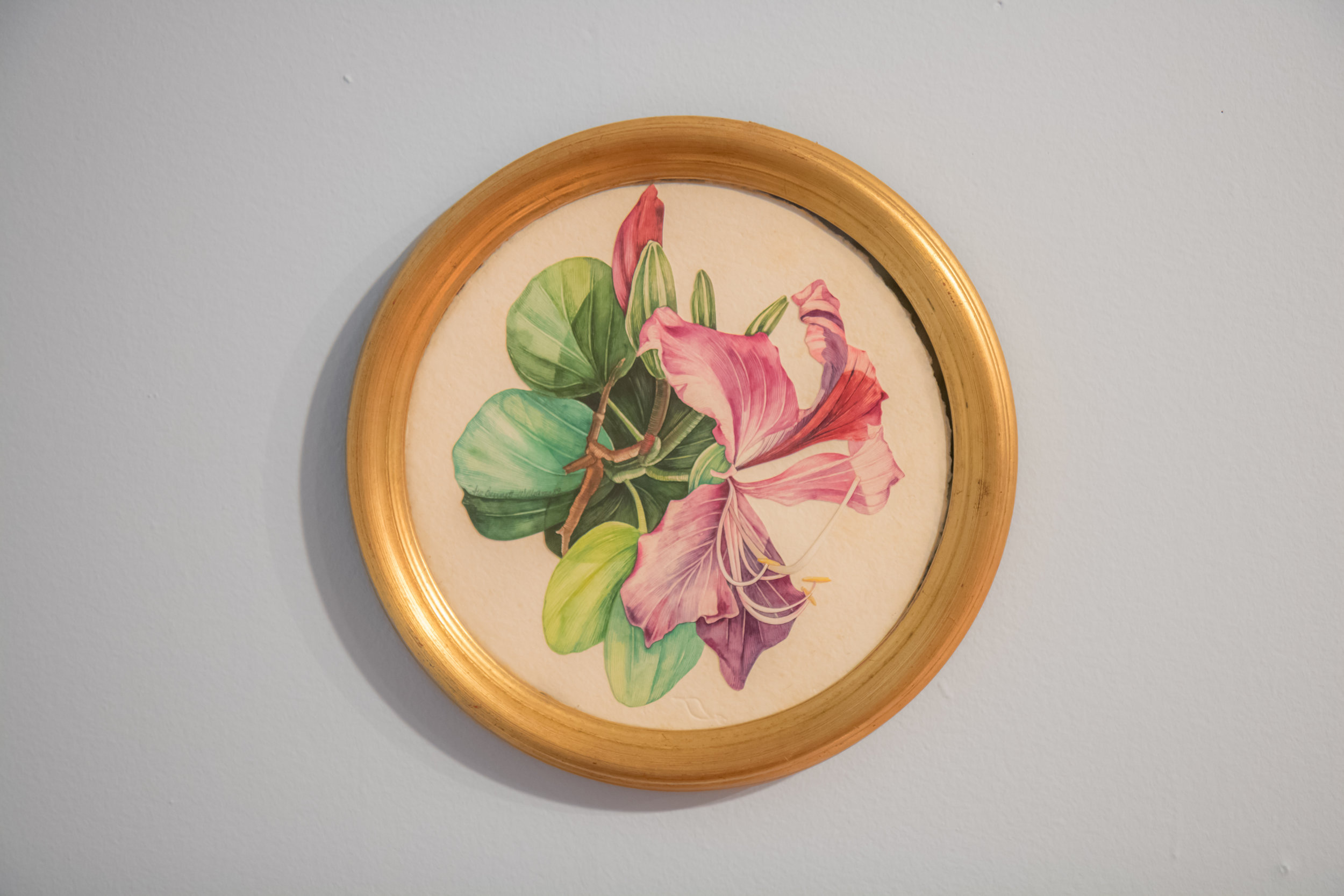
By Natalie Willis. a portal into the practice of a dedicated educator. The 19th Century marked a period in Britain known as Orchidelirium. Not entirely unlike the Dutch tulip fever, this flower-frenzy was a mad scramble for the exotic, elusive orchid. They became connotative as a symbol of wealth, prestige and knowledge, of the affluence required to secure these items from far-off lands. Sue Bennett Williams’ “Poor Man’s Orchid” (1989) is no such thing and no less beautiful.

Learn more

From the Collection: Jolyon Smith’s “Transformation” (1987) and imagining Black Bahamian futures

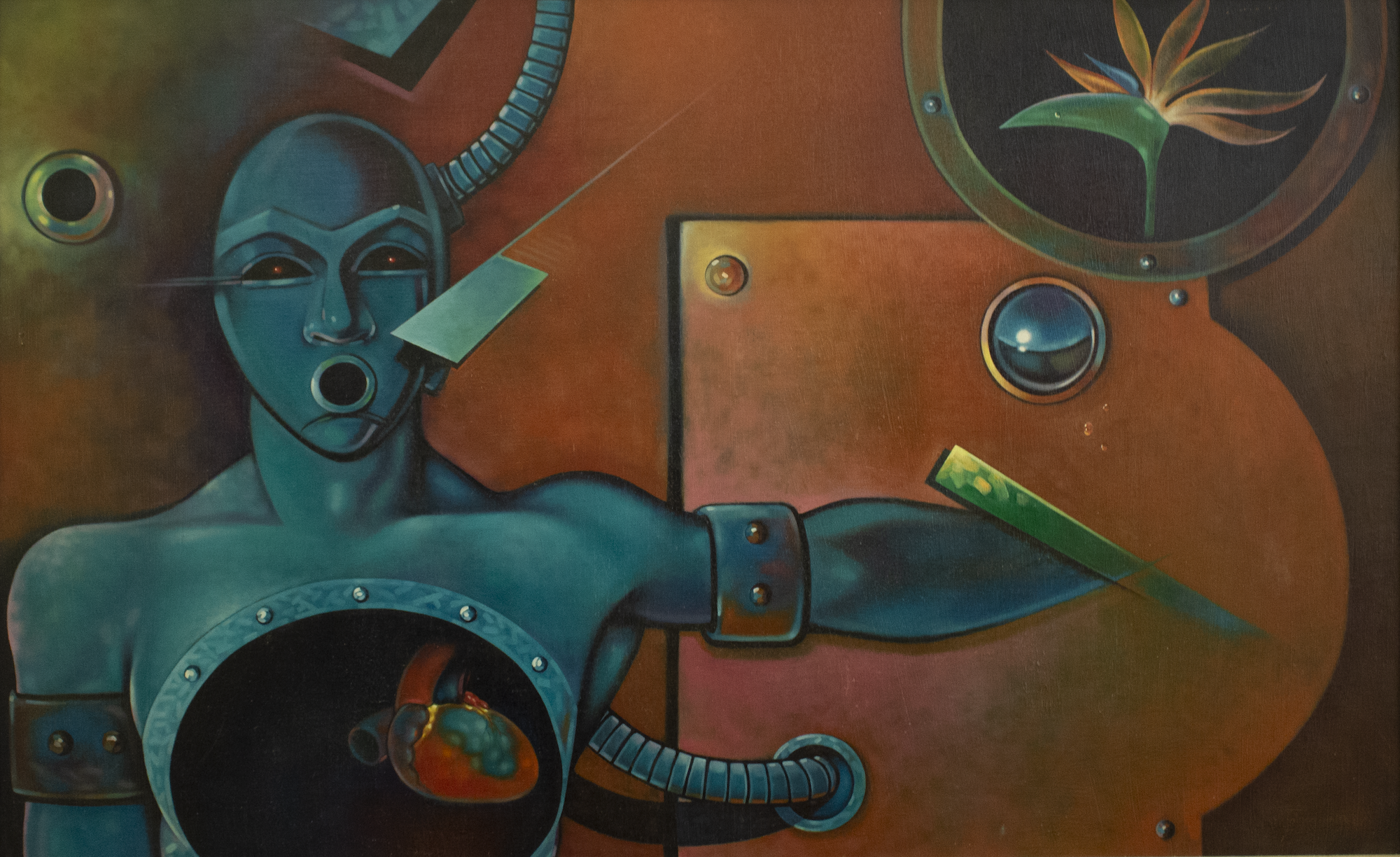
By Natalie Willis.  Jolyon Smith’s Transformation (1987) is one of the first works collected for the National Collection at the NAGB, shown in the Inaugural National Exhibition or the INE. To have a work that appears so afrofuturist in its aesthetic speaks volumes for the genre and also for the nascent years of the NAGB in thinking what a National Collection could and should look like. What does a Black future look like, and a Bahamian one at that? 

Learn more

From the Collection: Chelsea Pottery “A Brief Bahamian History of Clay”

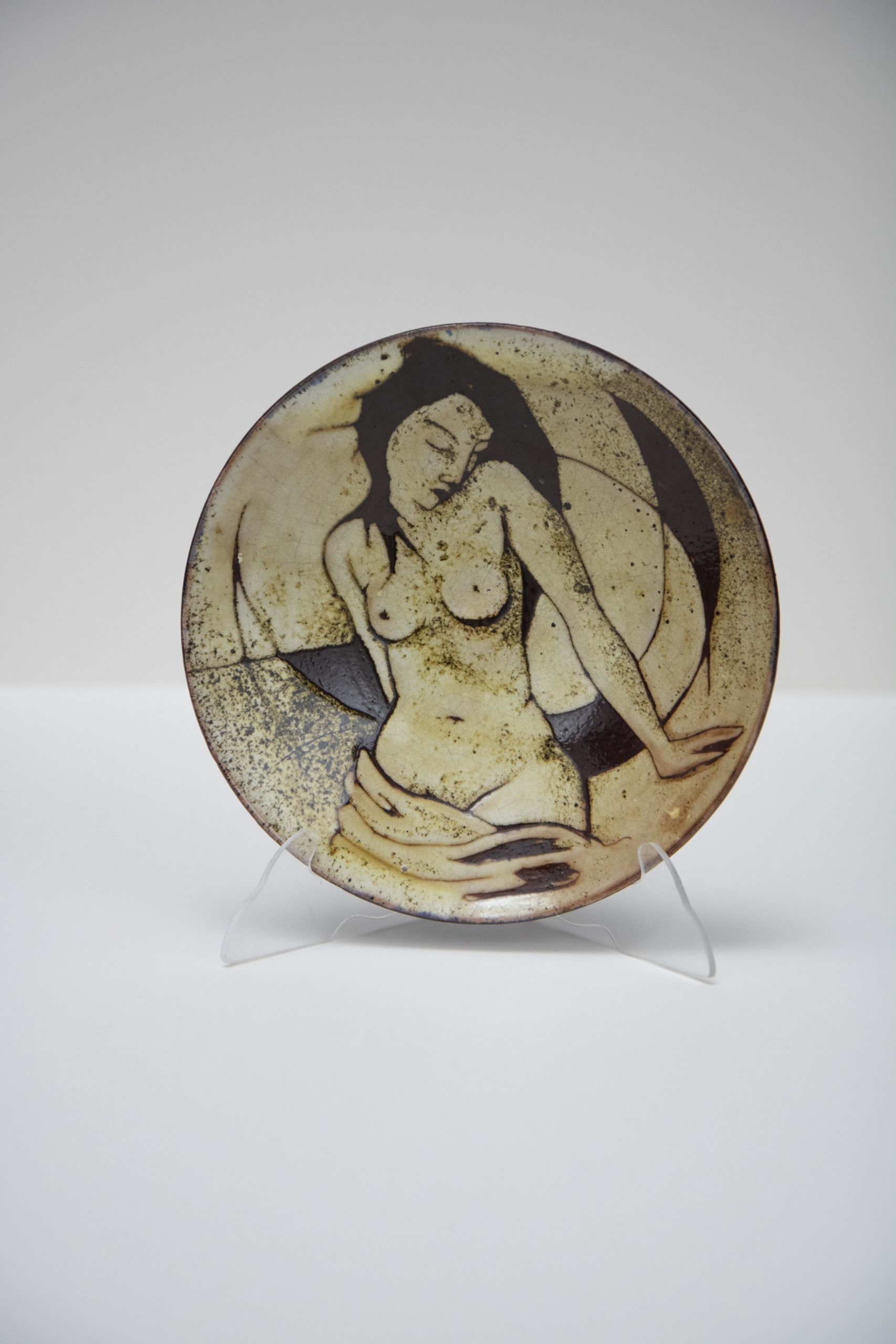
By Natalie Willis. A beautifully formed piece of handmade ceramic work, produced at the Chelsea Pottery in Nassau in 1960, serves as a great point of departure for talking about some of our Bahamian art histories. Clay work, like drawing and painting, has a history almost as old as humanity itself. Our legacy of pottery here begins with the indigenous peoples of The Bahamas – the Arawaks, Lucayans, and Tainos. As Dr Erica M. James lays out in her key text on Bahamian art history in “Bahamian Modernism”, our background of creative visual culture is much richer and varied than we tend to hear about. 

Learn more

Timelines: Developing Blackness

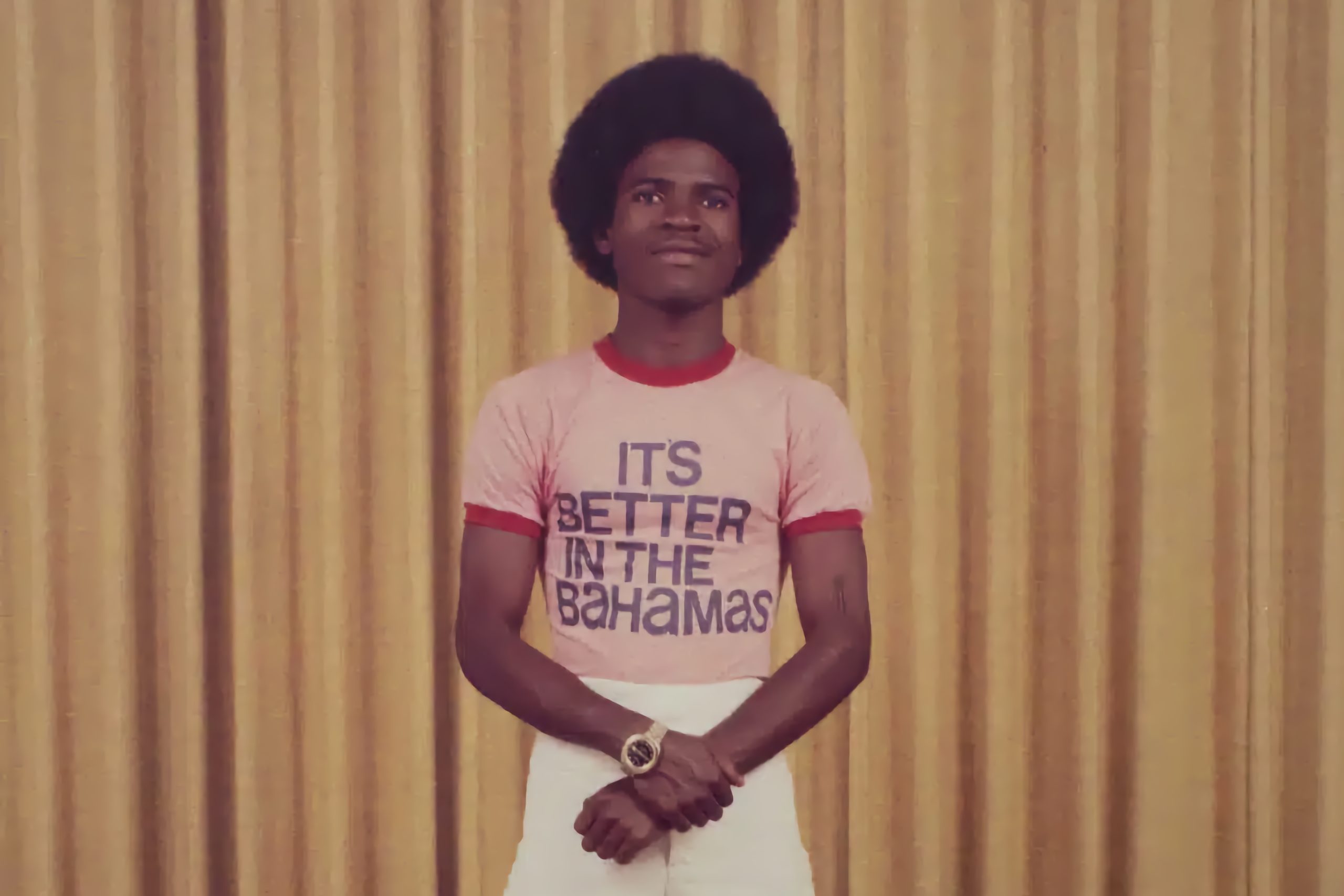
Historical photographs show Bahamians claiming and embracing their African heritage. Aptly named, these photographs show us a period in our history where Bahamians were pointedly claiming and embracing their Blackness. This sense of pride was born out of, but not limited to America’s expressions of Black power during the Civil Rights Movement, the road to Majority Rule in 1967, and The Bahamas’ independence in 1973.

Learn more

“Wellington Street Dwelling”: Exploring the Bahamian Vernacular

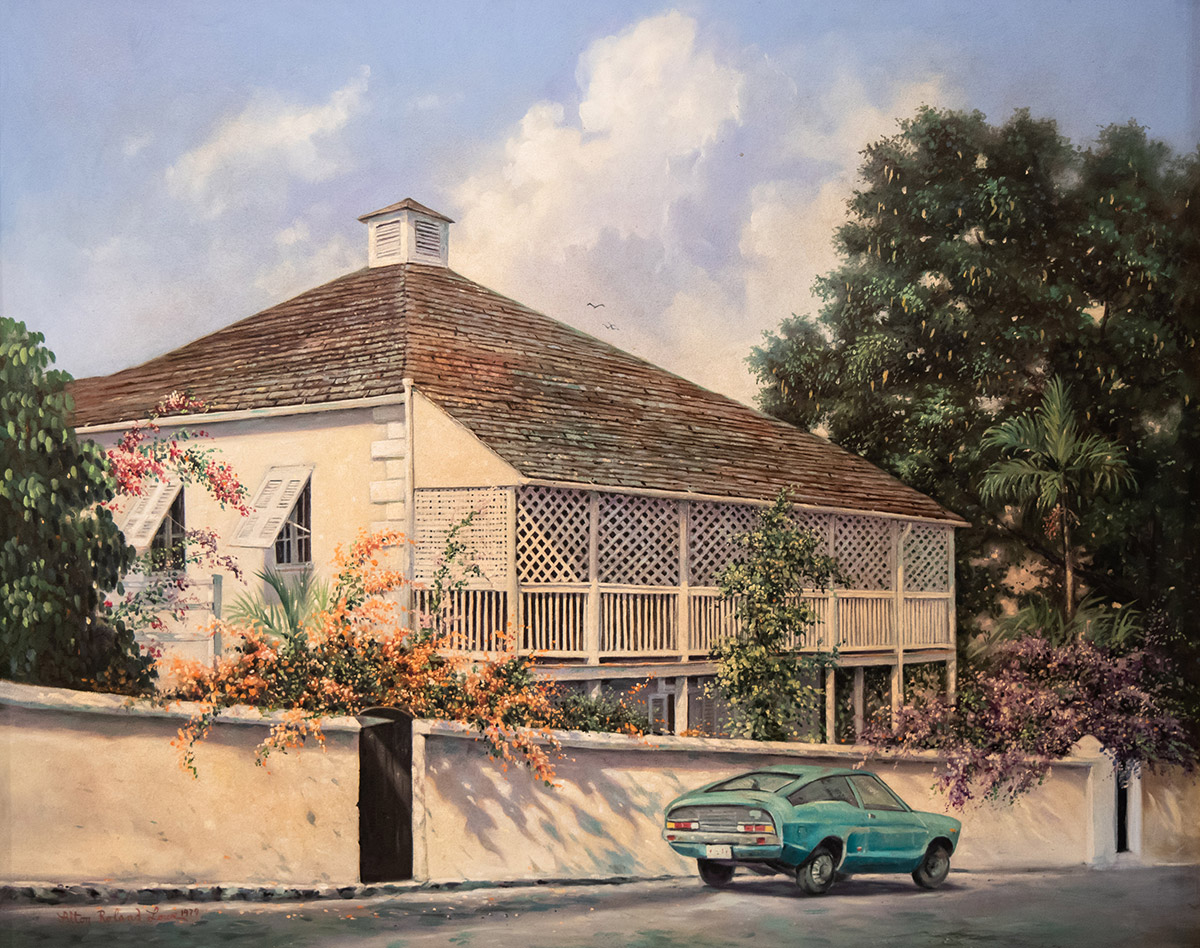
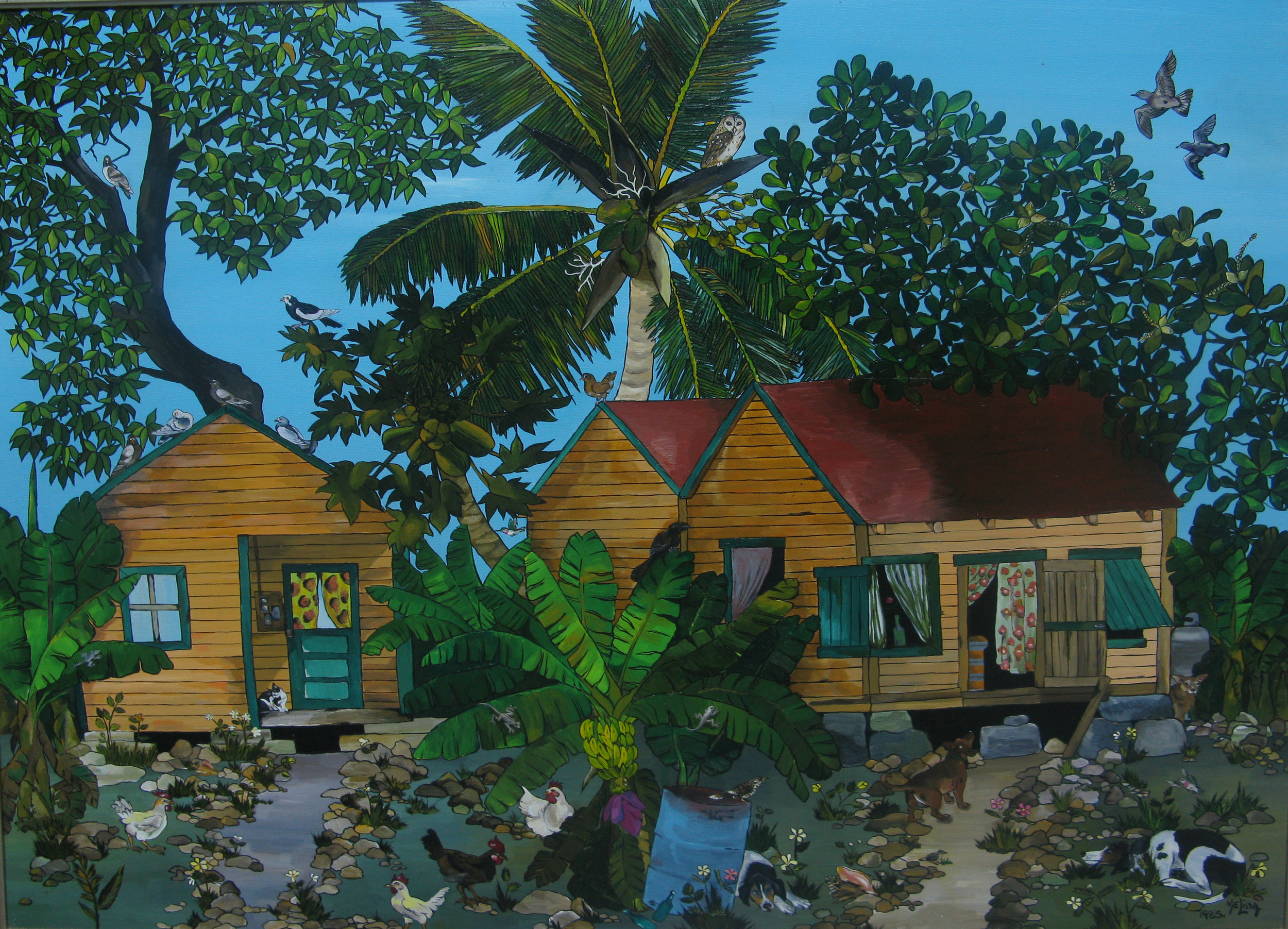
By Kelly Fowler, Guest Writer. An island landscape in the mind of a non-native may include picturesque coastal scenes of blue and turquoise shaded waters gradually transitioning to crystalline, onto shallow shores of powder white sandy beach, and further to lush foliage of coconut and palm trees. To the native Bahamian, the island landscape may vary considerably. The landscape may range anywhere from the quintessential narrow, yet neat streets featuring well-kept,  board houses nestled among vibrant Bougainvillea, Poinciana and golden shower trees, to scenes of markets, daily life and the historic Over-the-Hill community where centuries-old silk cotton grow, fruit trees flourish and royal Bahamian potcakes roam freely. Both the outsider’s notion and the insider’s experience are represented in Bahamian art. Melissa Maura’s 1983 oil on canvas painting entitled Wellington Street Dwelling is a glimpse into an insider’s experience of island life and landscape. The painting draws the viewer into the lived experience of the native Bahamian and invites the onlooker to reflect on the diversity of the island landscape and how the landscape has changed over time.

Learn more