All posts tagged: Collection

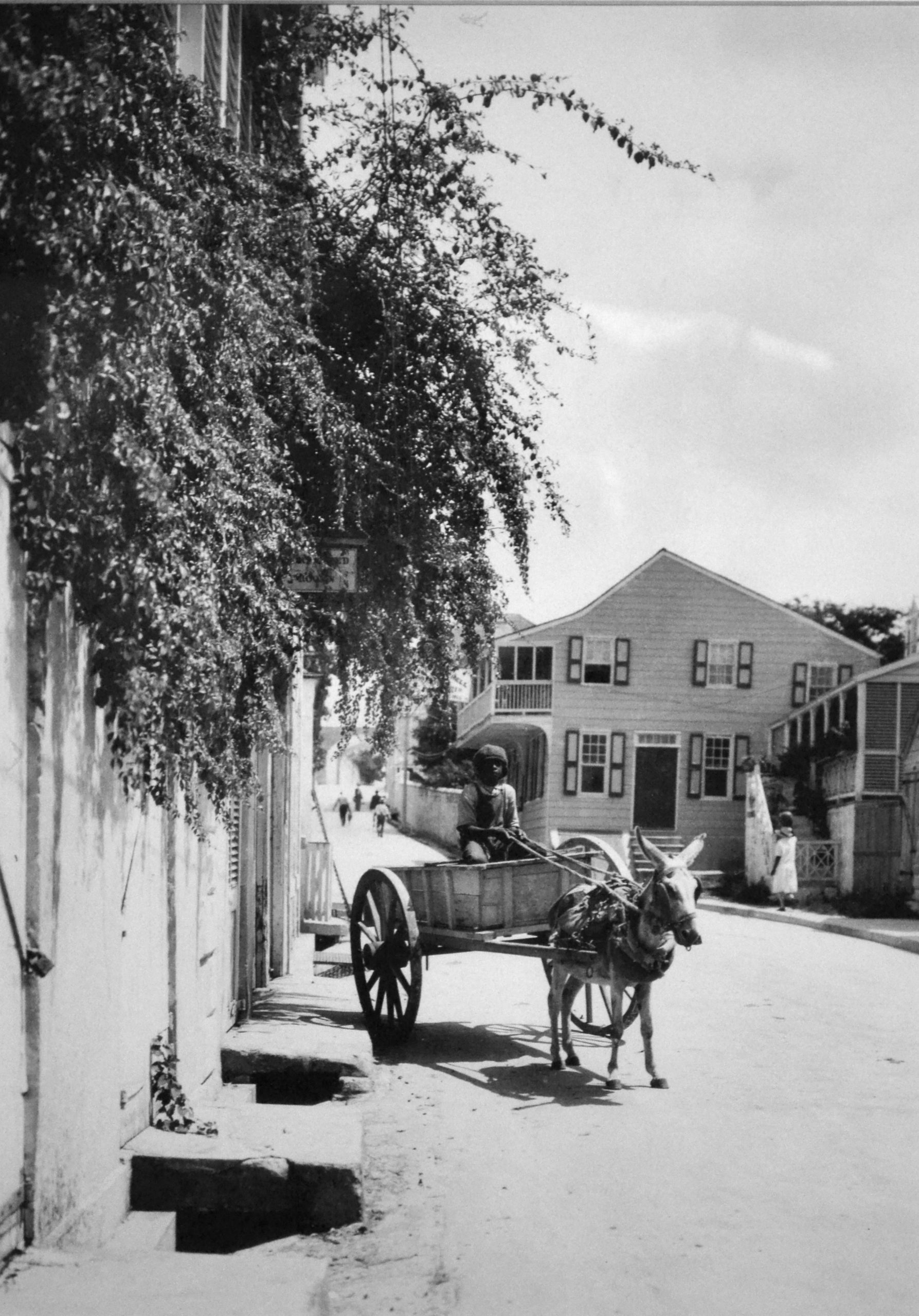
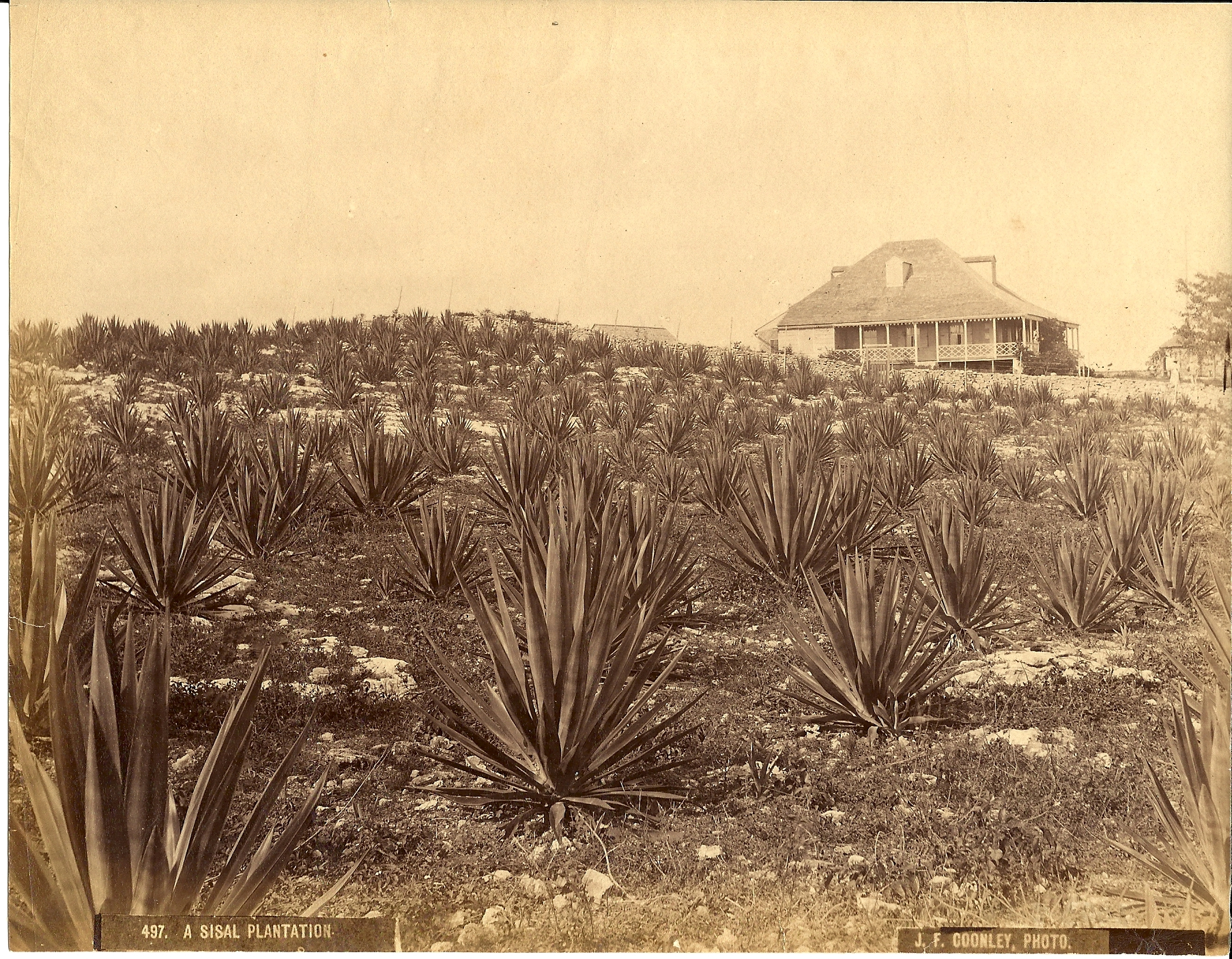
From the Collection: “A Distant View of Nassau” (c.1857-1904) by Jacob F. Coonley

By Natalie Willis.  Looking at this photograph, “distant” is certainly apt in different facets of the word. It is a distant, far off view. It is a distant time, a bygone era. It is also a distant idea to think of Nassau in this way – so largely uninhabited with stretches of green bush for miles, sisal and rocky paths to illustrate this difficult land – formerly difficult for our floral inhabitants, now harder for the people living in what feels like harsh social terrain. The reactions witnessed to this image are very telling, the astonishment on locals faces when they try to imagine a Nassau like this seems like having to tell someone to imagine us in prehistoric times, not just over 200 years ago. That surprise speaks to the way the development has become so utterly integral to our identity in the capital, and truly the country as a whole.

Read more

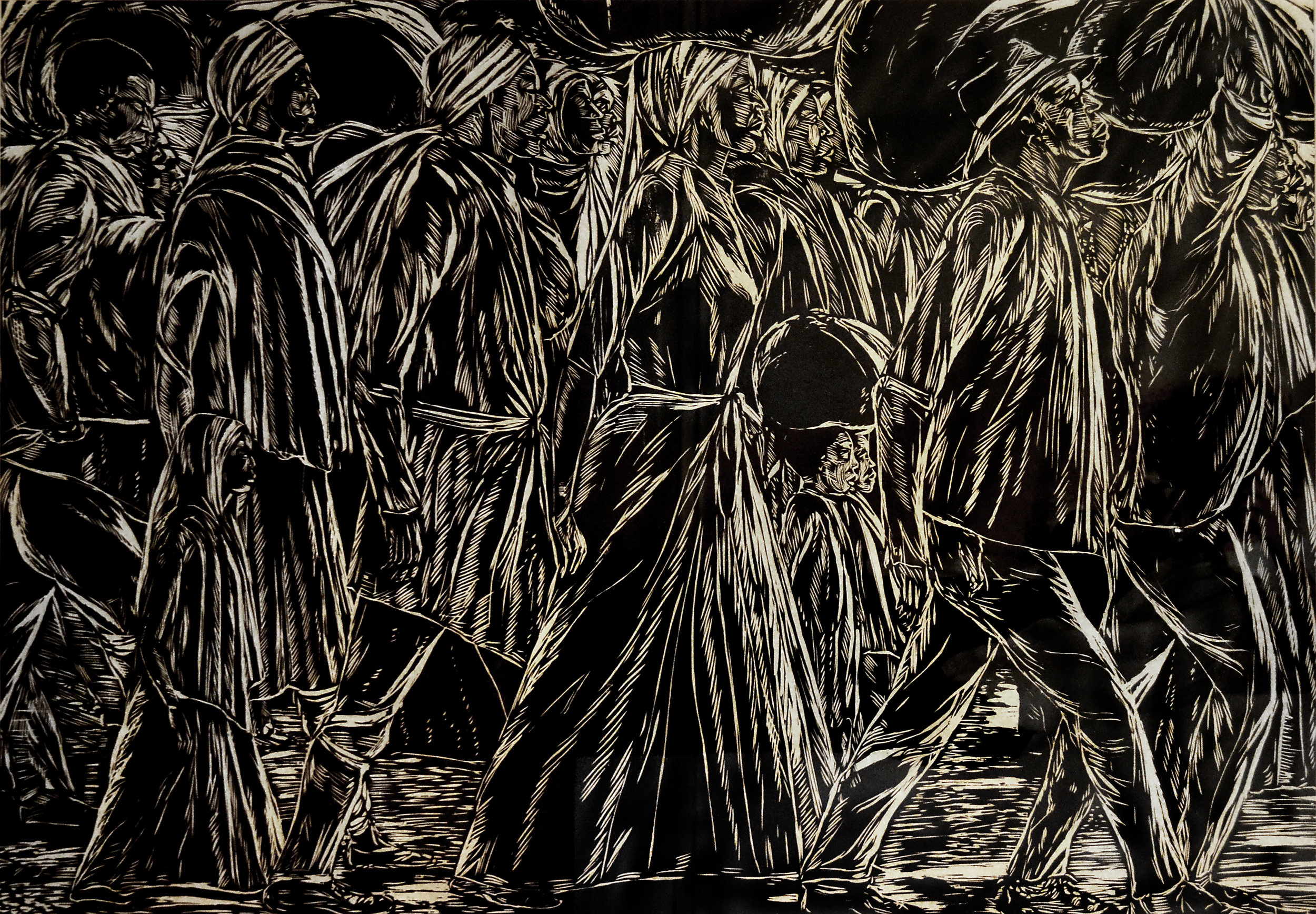
From the Collection: Maxwell Taylor’s “The Immigrants No.3” (c1990)

By Natalie Willis.  Maxwell Taylor’s woodcut prints are truly a thing of beauty in more ways than the obvious. The stark contrast and drama of a black and white printed image is something to behold in itself, but the way that he incorporates black bodies and the struggles they go through adds a poignant beauty of a different kind. He doesn’t make the struggle pretty, he shows people with the nobility they deserve, migrants included. Using the traditional practice of woodcut printmaking, Taylor’s “The Immigrants No.3” (c.1990) holds just as much meaning now as it did when it was first shown

Read more

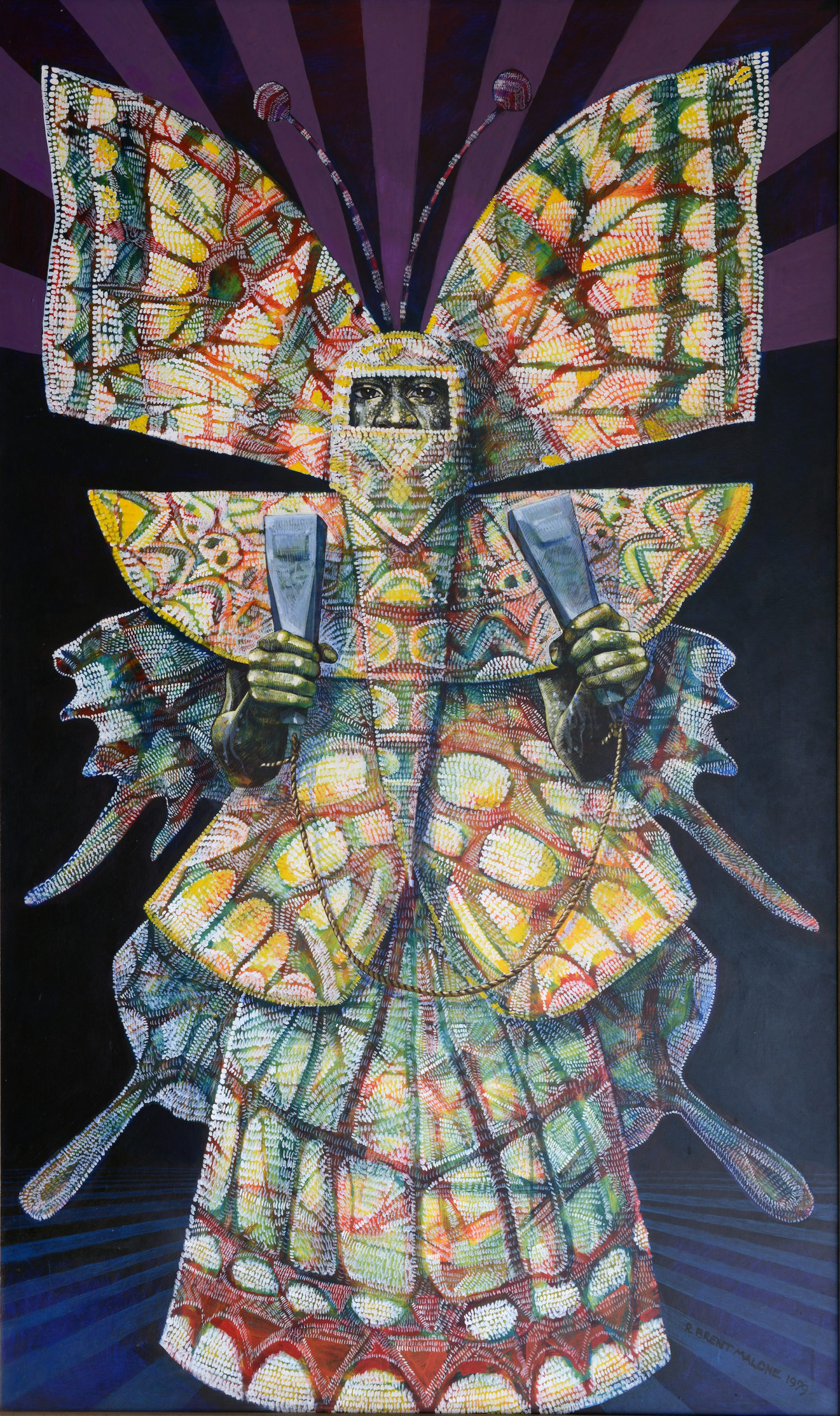
From the Collection: “Metamorphosis” (1979) by R Brent Malone

By Natalie Willis. There are few artists who were able to evoke the energy of Junkanoo as Brent Malone did. He didn’t just show vibrant costumes swaying lightly: he showed colours and costumes that vibrated, bodies tense with energy and muscles coiled as cowbells get poised to strike, eyes as red as the feathers from that 3 am lap, sweat dripping down faces holding tired red eyes. Malone set out the path for others to display Junkanoo as the manic, feverish, exhausting, and mesmerizing spectacle it is – he made it his mission to show the feeling at the root of the celebration, the cathartic outpour of energy and freedom. It is fitting that he lends this deference of accurate portrayal to a work that means so much to so many: “Metamorphosis” (1979) is a testament to the idea of a nascent Bahamas, the burgeoning forth of a still transforming nation after independence

Read more

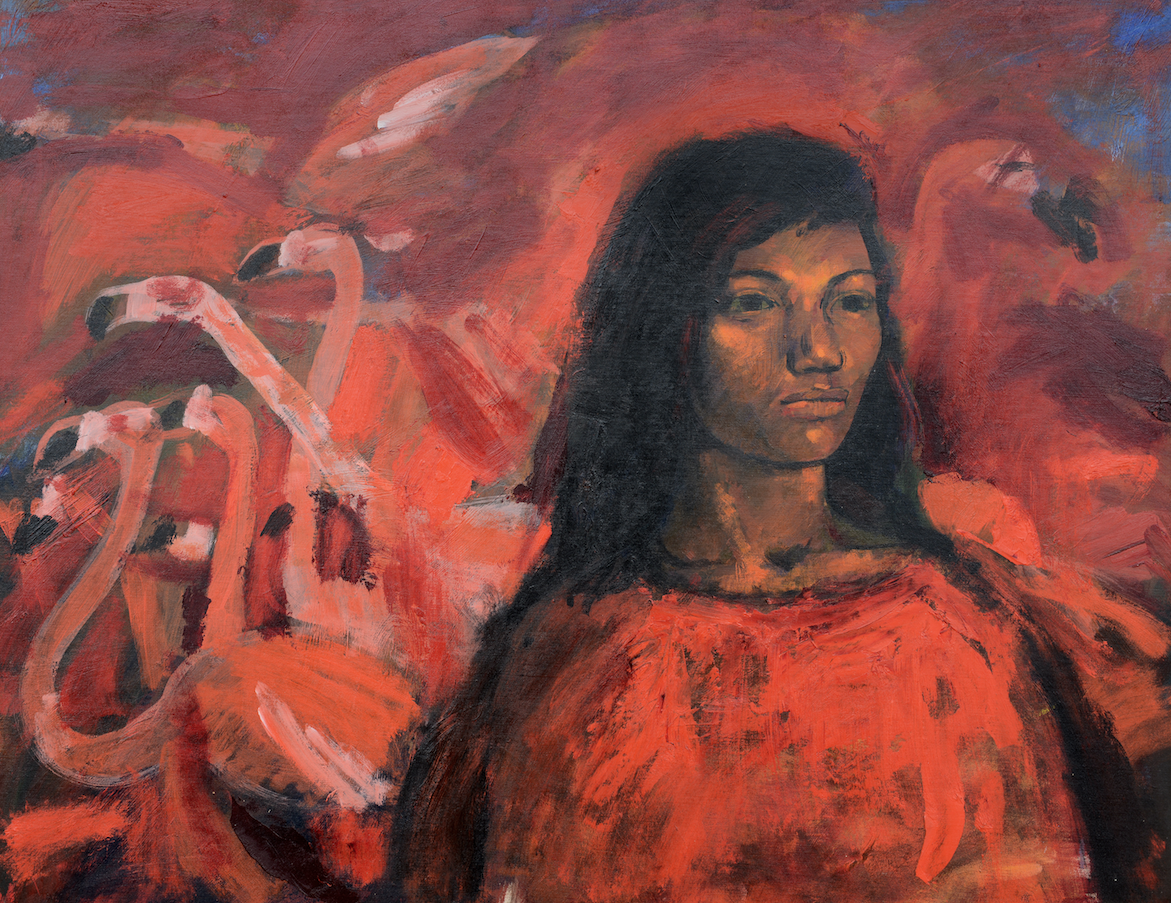
From the Collection: “Woman With Flamingoes” (1996-97) by R. Brent Malone

By Natalie Willis

It is time to revisit an old favourite with the detail and context it truly deserves. A cross-hatch of brushstrokes, full of the looseness, movement and vibrancy associated with R. Brent Malone’s work, gives way to the key figures from which this piece in the National Collection gets its title. “Woman With Flamingoes” (1996-97), a gift to the Collection donated in memory of Jean Cookson, depicts a flamboyance of flamingoes with a woman staring beyond the frame. Though the flamingoes are bustling and full of movement, she is purposefully still. Malone renders her the focus of the work amidst a pink and crimson cacophony of tropical birds.

Read more

The Culture of Space: Places for Art

By : Dr Ian Bethell-Bennett

The post office stands at the top of Parliament Street on East Hill street, a monument to 1970s development. It stands now condemned. The Churchill building stands condemned, much like the Rodney Bain Building on the verge of Parliament Street Hill on the way to the post office.  Condemned buildings populate the city of Nassau.  The shift has been rapid; from a thriving colonial backwater settled by administrators and Loyalists to a post-colonial shadow of colonial rule, to a derelict city of decay. This shift has been enormous. 

Read more

From The Collection: “Bay Street on Fire” (2002) by Blue Curry

Curry’s gamut of work usually involves some form of tongue-in-cheek critique of the tourism culture of The Bahamas, but this earlier work which stands in the National Collection from 2002 deals more with public response and representation than tourism as it is. The link is still there of course, as the Straw Market on Bay Street has been well known as a spot for tourist consumerism since the 1800’s, with the particular branding of the space that we know today coming out of a revamp in the 1920’s. Previously, however, the site was used as a market of a different kind, to process enslaved Africans to be sold later at the Vendue House.

Read more

From the Collection: “Let Us Prey” (1984-86) by Dave Smith

By Natalie Willis. The title is undoubtedly provocative given the Bahamian bent toward Christianity, but “Let Us Prey” (1984-86) is, quite literally, a gift. Donated by Dave Smith in 2007, the work is at once an act of good faith, while simultaneously critical of bad. It’s another painting from the National Collection that we have given some gentle care to and put on display for the current Permanent Exhibition, “Revisiting An Eye For The Tropics,” and fits into the theme of the Bahamian Everyday that works within this exhibition.

Read more

From the Collection: “Built on Sand” (2003) by Dionne Benjamin-Smith

By Natalie Willis.“Built on Sand,” (2003) by Dionne Benjamin-Smith, is in some ways the sister work to “Bishops, bishops everywhere and not a drop to drink,” (2003). Both works are of the same dimensions, which instantly makes us as viewers try to compare them and view them in the same plane when they are placed near each other, but, it is the critique and use of religion as their subject that makes them read like chapters in a book, feeding into each other and helping to inform a greater whole.

Read more