Edrin Symonette explores how identity, the body, memory, and cultural history intersect within his practice.
Skin Deep: Artist Talk with Edrin Symonette
Edrin Symonette explores how identity, the body, memory, and cultural history intersect within his practice.
21 contemporary Bahamian artists envision futures beyond colonial inheritance, examining visibility, absence, and transformation.
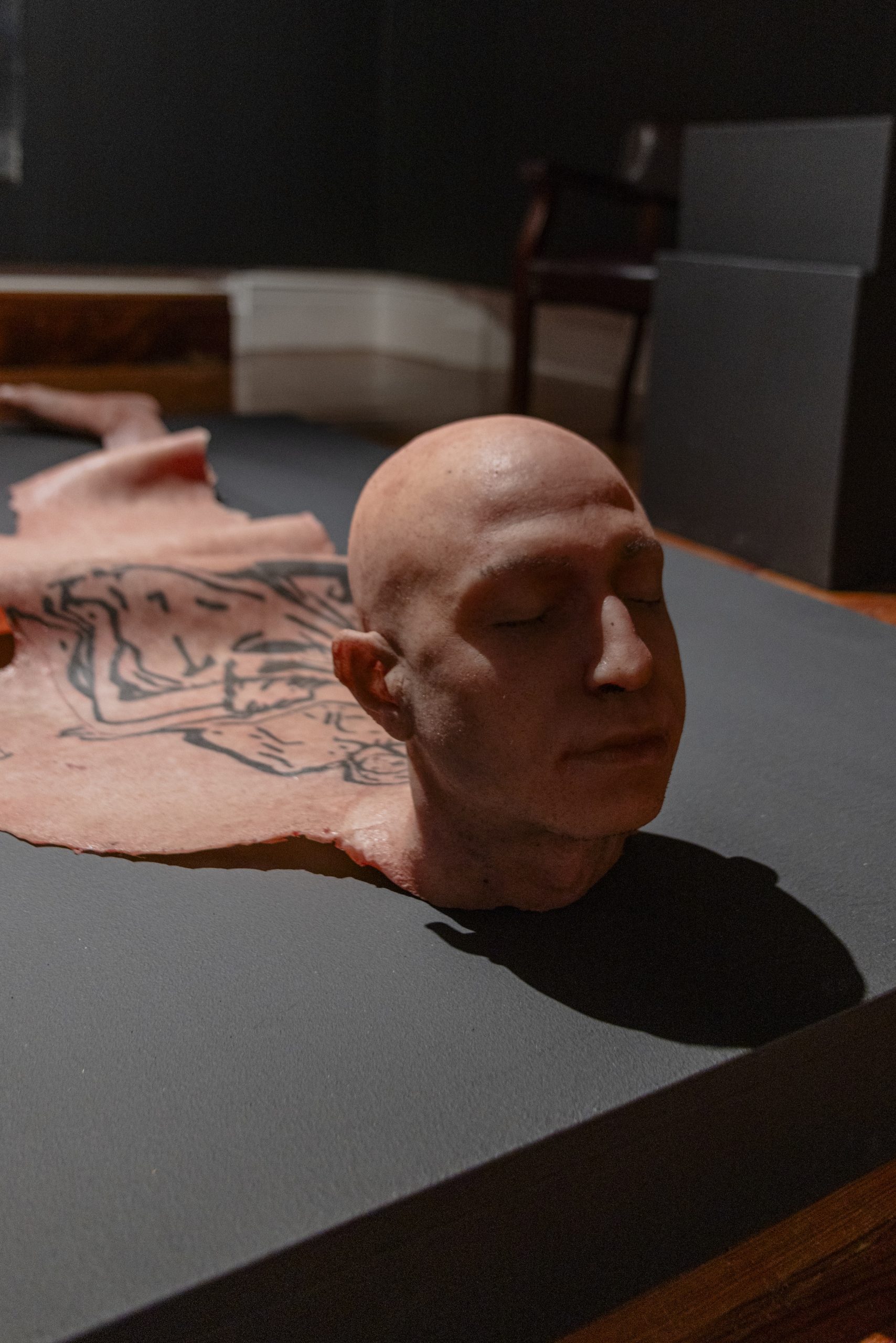
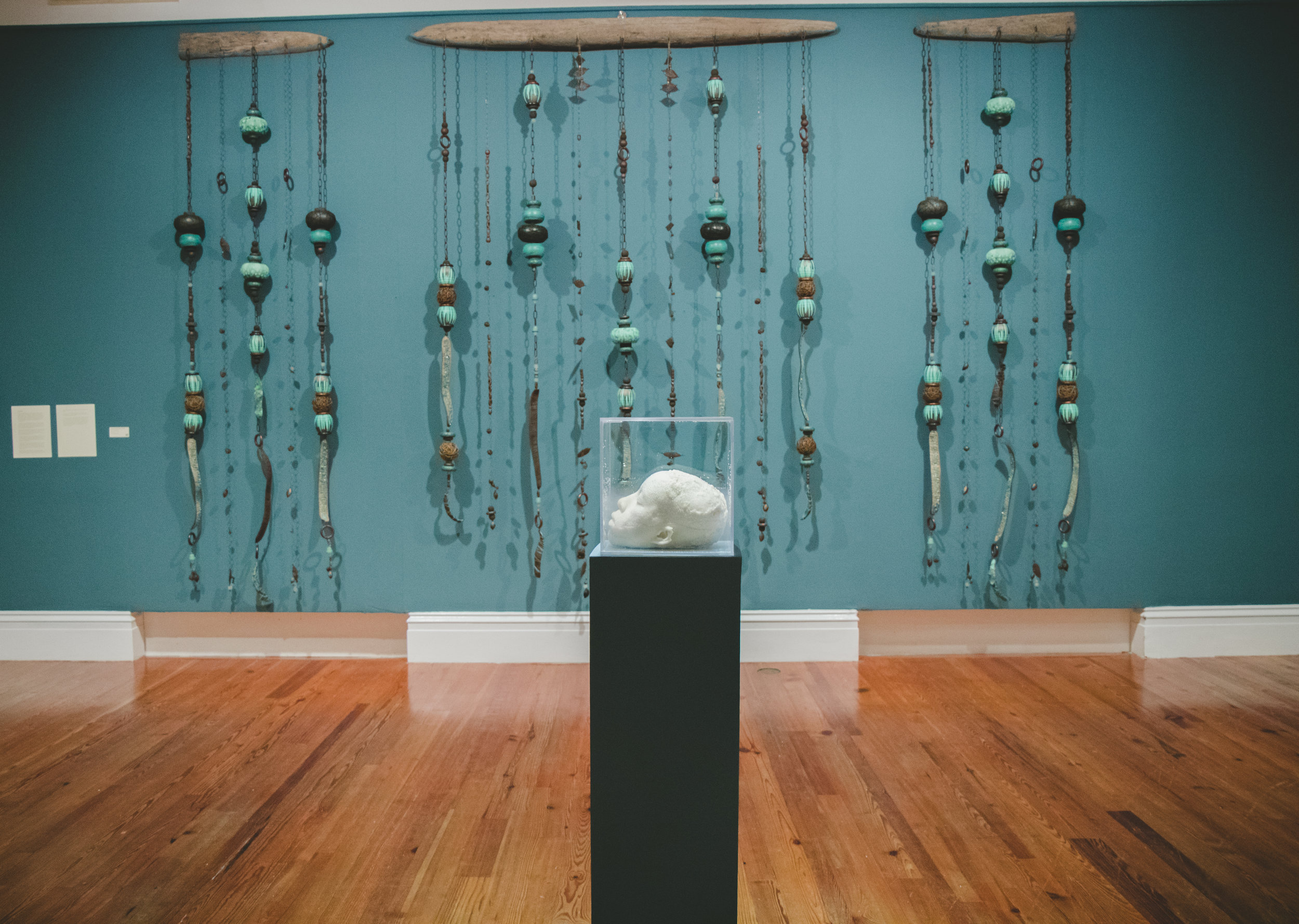
By Dr Ian Bethell-Bennett, The University of The Bahamas. Salt: pressed into flesh, brines and cures, drying left on lines, as flies land and enjoy a feast of decaying flesh; a colonial resource extracted from the spaces of the once far-flung regions of empire. Salt is a way of life; a natural resource abundantly available in the islands; the pain of enslaved Africans who laboured tirelessly in its corrosive briny suspension as they raked salt under hot sun. Their skin ulcered, backs bent and minds steeled against the dehumanisation of exploitation and enslavement.
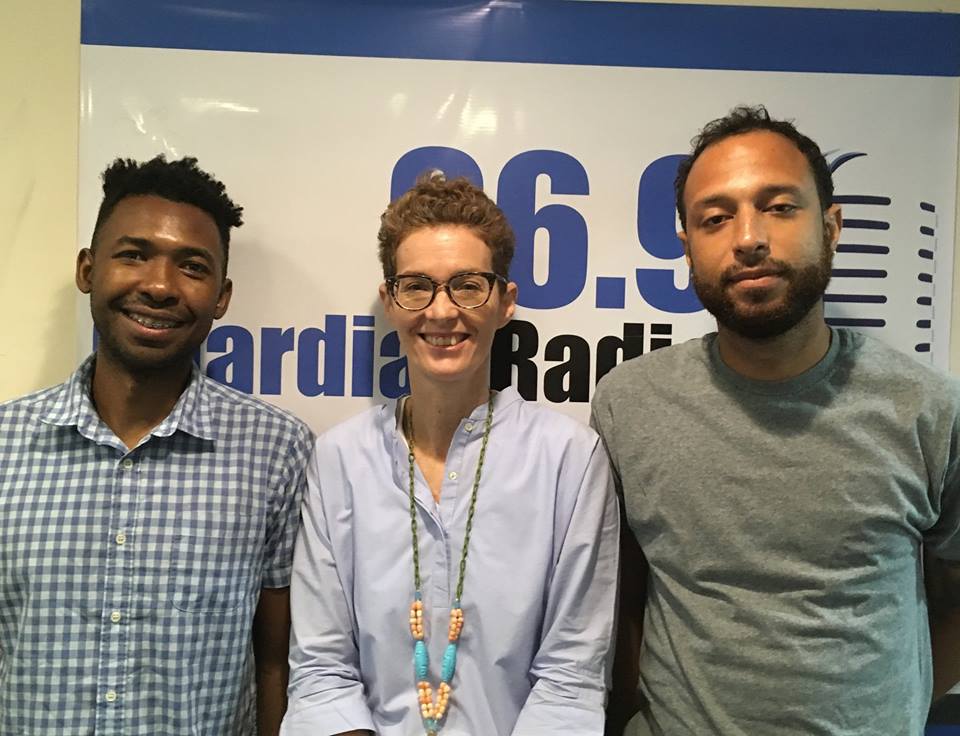
On Wednesday evening’s “Blank Canvas,” as part of the NAGB’s continuing series of “Double Dutch,” your host Amanda Coulson (NAGB Director, middle) is visited in the studio by Bahamian artist Edrin Symonette (right) and Jamaican artist Leasho Johnson (left), who speak to their individual artistic practices and their collaborative exhibition, opening on Friday night at 7 p.m. “Of Skin and Sand.”
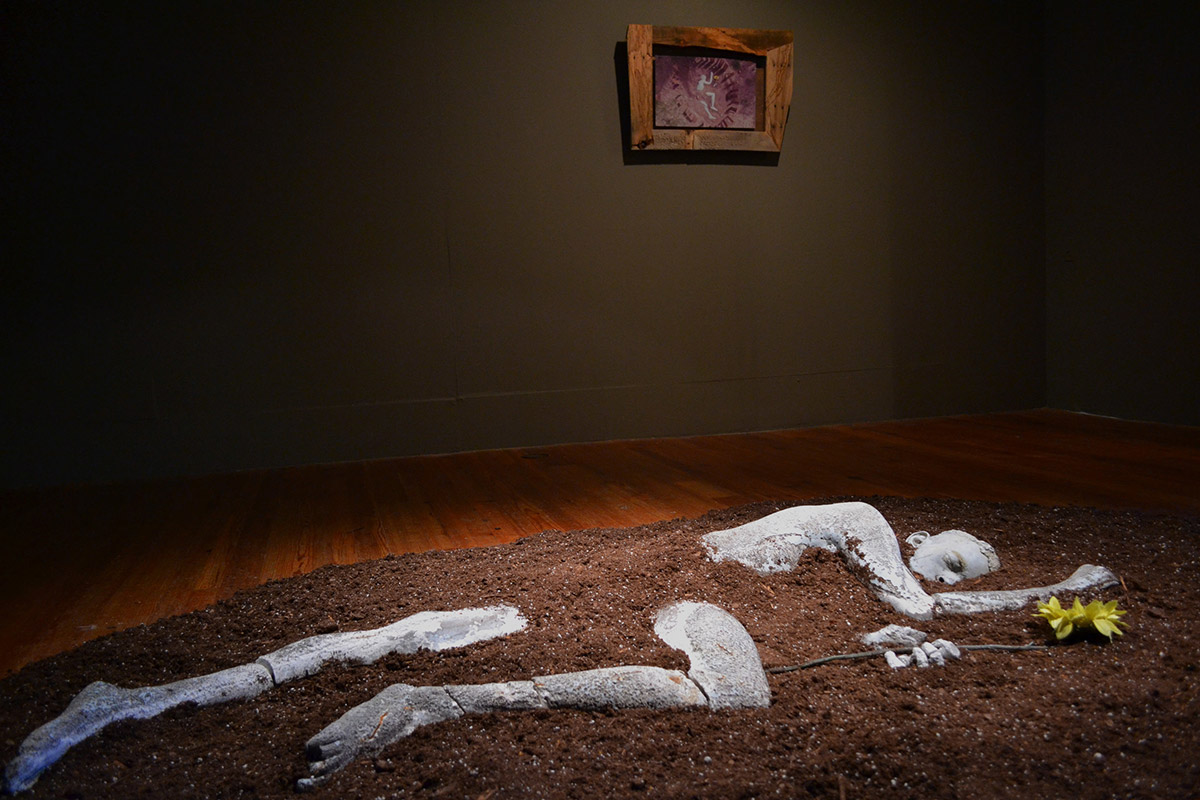
The University of The Bahamas and the National Art Gallery of The Bahamas have created an open space for group discussion that allows students to benefit from the offering of both spaces. This relationship allows culture to truly be highlighted. As much as we talk about culture, we often disconnect our experiences from talk. These lectures are designed to promote thought and unshackle minds blinkered by a dysfunctional system designed to create workers without a sense of self, or an identity that can transcend the 9 to 5 and the 21 by seven of the mundane.
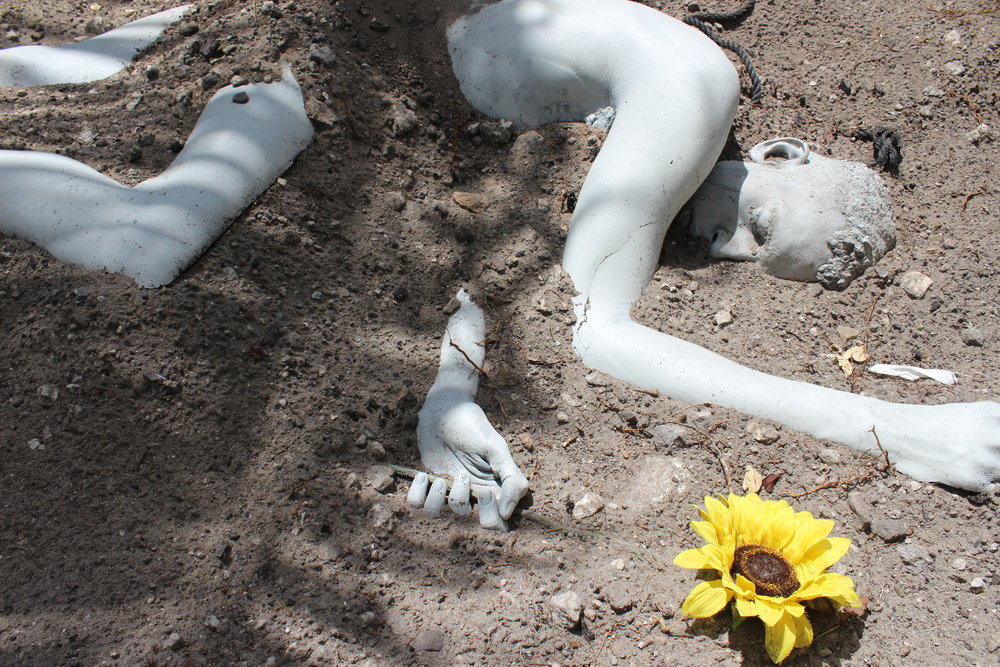
Edrin Symonette and Keisha Oliver unearth voices in their site-specific projects for NE8.