Women continue to populate the Blank Canvas studio tonight to discuss their artwork and the concepts it addresses in this year’s National Exhibition “NE9: The Fruit & The Seed.”
Blank Canvas with Cydne Coleby and Letitia Pratt
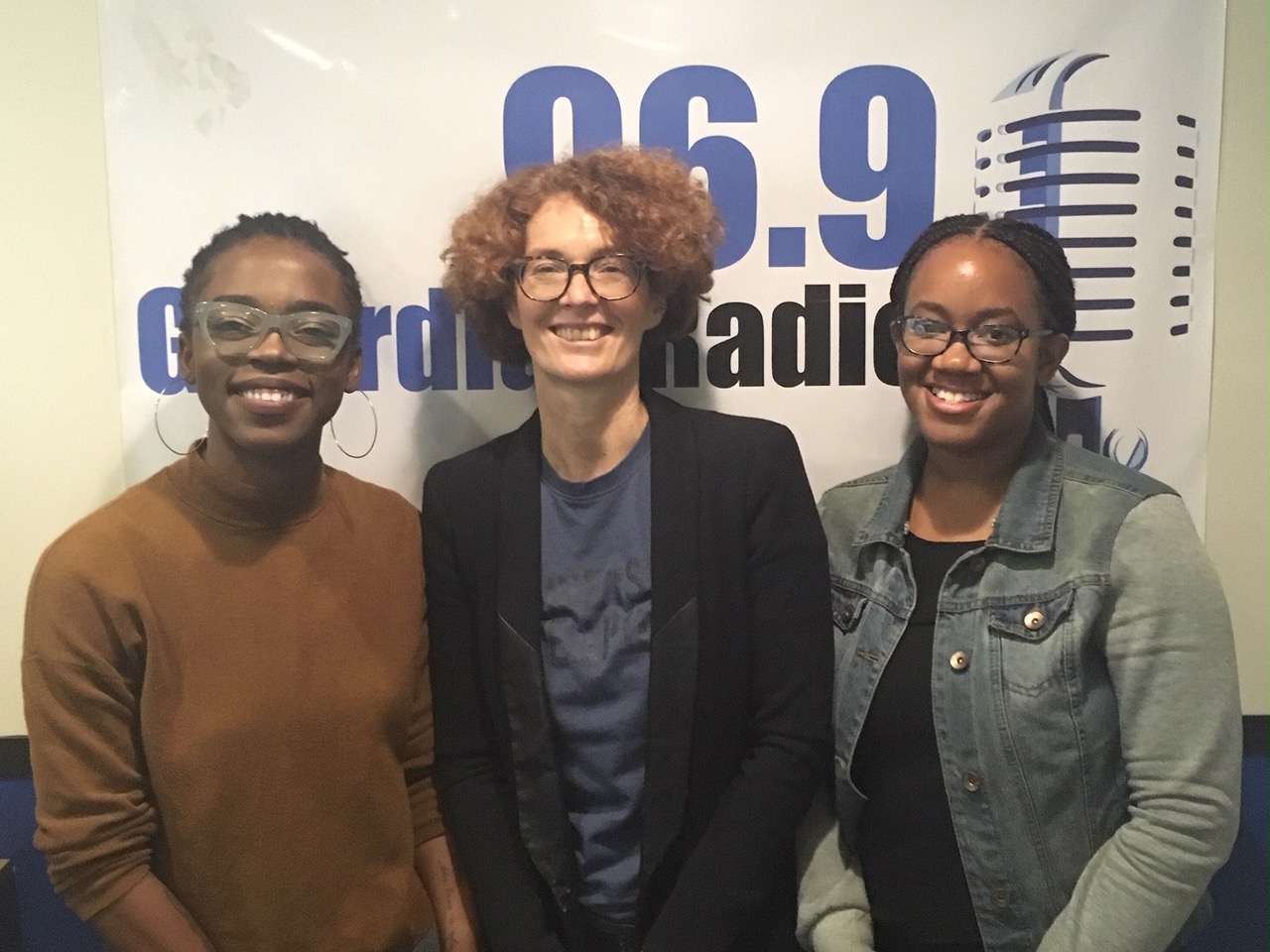
Women continue to populate the Blank Canvas studio tonight to discuss their artwork and the concepts it addresses in this year’s National Exhibition “NE9: The Fruit & The Seed.”
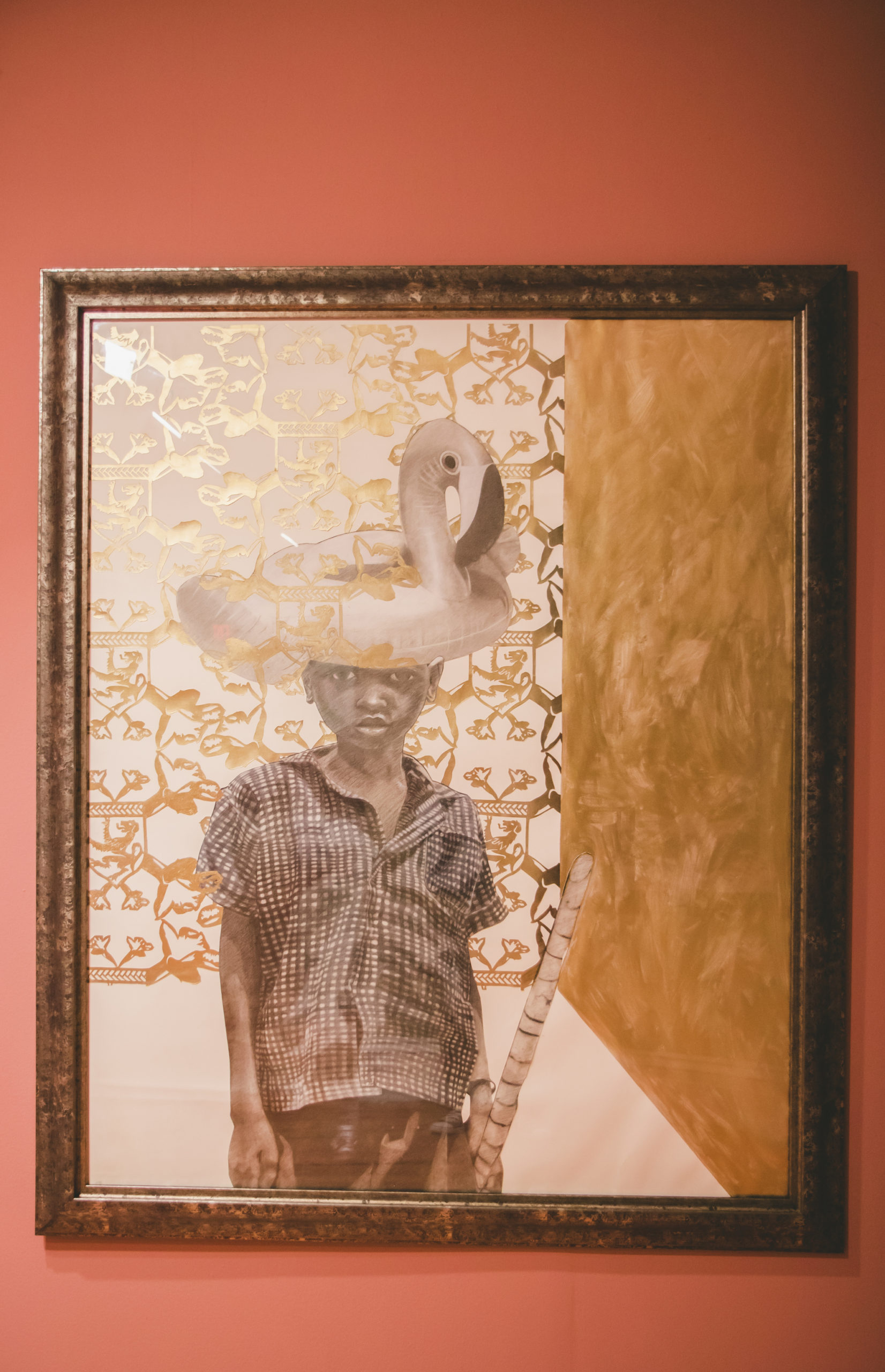
We repeat—limestone, faces, power structures, the same images of palm trees and beaches. Toni Alexia Roach’s work in NE9: The Fruit and The Seed questions these ideas of the Caribbean picturesque.
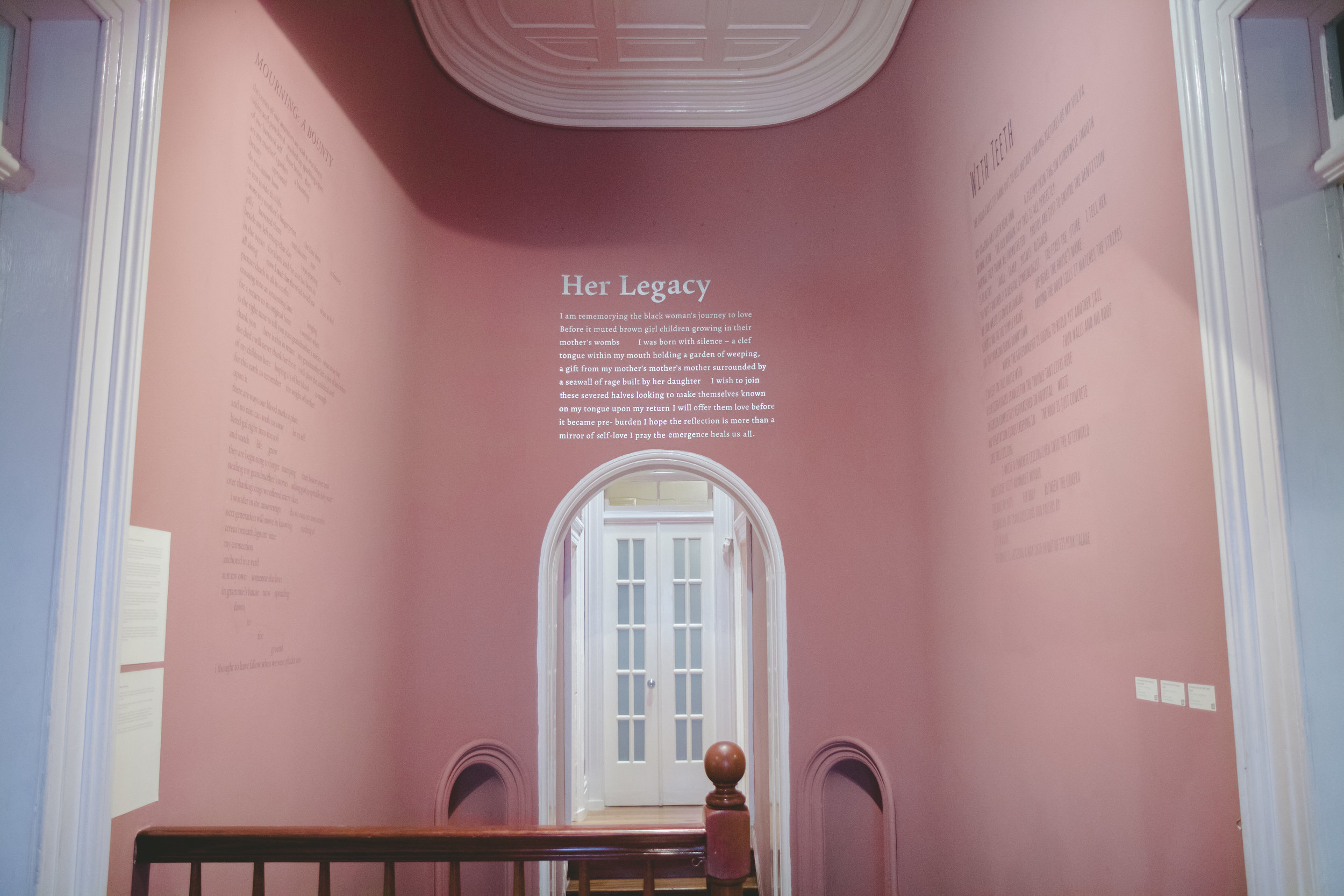
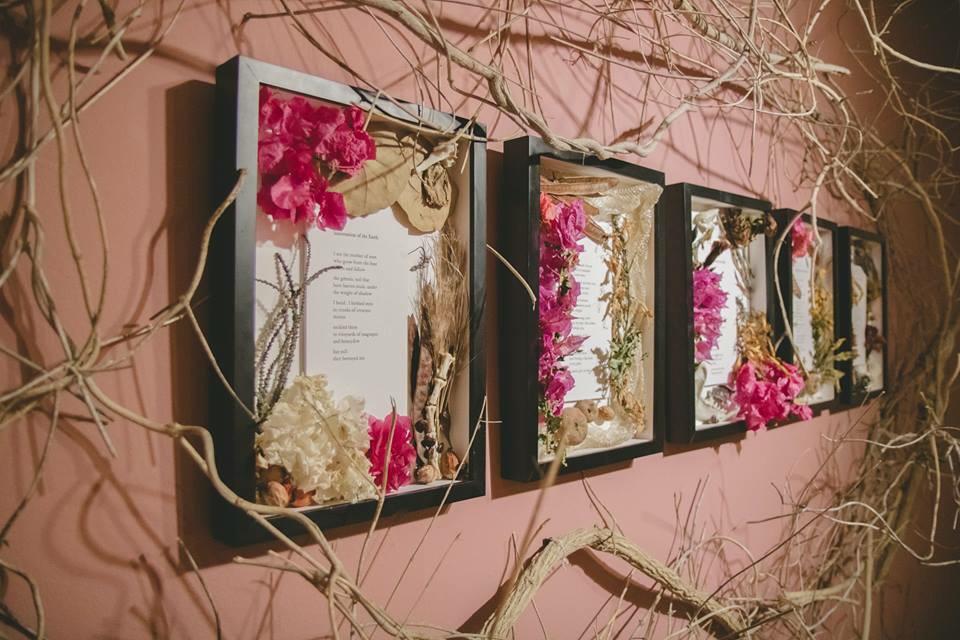
By Natalie Willis. In much of cultural studies, the Caribbean region has been discussed as a place where people feel an uneasy, tense tie to landscape due to our history of people being displaced here. Paradise or purgatory, whether these islands were viewed as restorative or a place of exile – and truthfully, we have had both stories ring true throughout time, it’s all in the branding. Tourist narratives aside, this space is a difficult one to feel truly close to, the landscape feels at once that it is ours and that it is without of our reach given the fact we are all “from elsewhere”, as Stuart Hall (the late Jamaican scholar and father of cultural studies) stated. Poetry in visual art can also be a difficult fit – is it language? Is it visual? Is it both? Problematising our ties to the land and the neat boxes that traditionalists might wish to shove the vast world of poetry into, are the unapologetic works of Yasmin Glinton and Charlotte Henay. “A Botanical of Grief” (2018), displayed in subtle silver script bearing powerful words of great weight, exists between – like so many of us in the Caribbean. The work is between voices: of the authors, of their ancestors, of poet and of artist, but it also exists in a liminal space physically as it spans the high walls of the stairwell of the 1860’s old bones that make up the Villa Doyle. Stairs are between places, and so are we as children of the Caribbean. We are between Africa and Europe, between India and China, we come from Arawaks, Tainos and Caribs with difficult access to those mother tongues – and most importantly, we are an amalgam of any and all combinations of these continents.
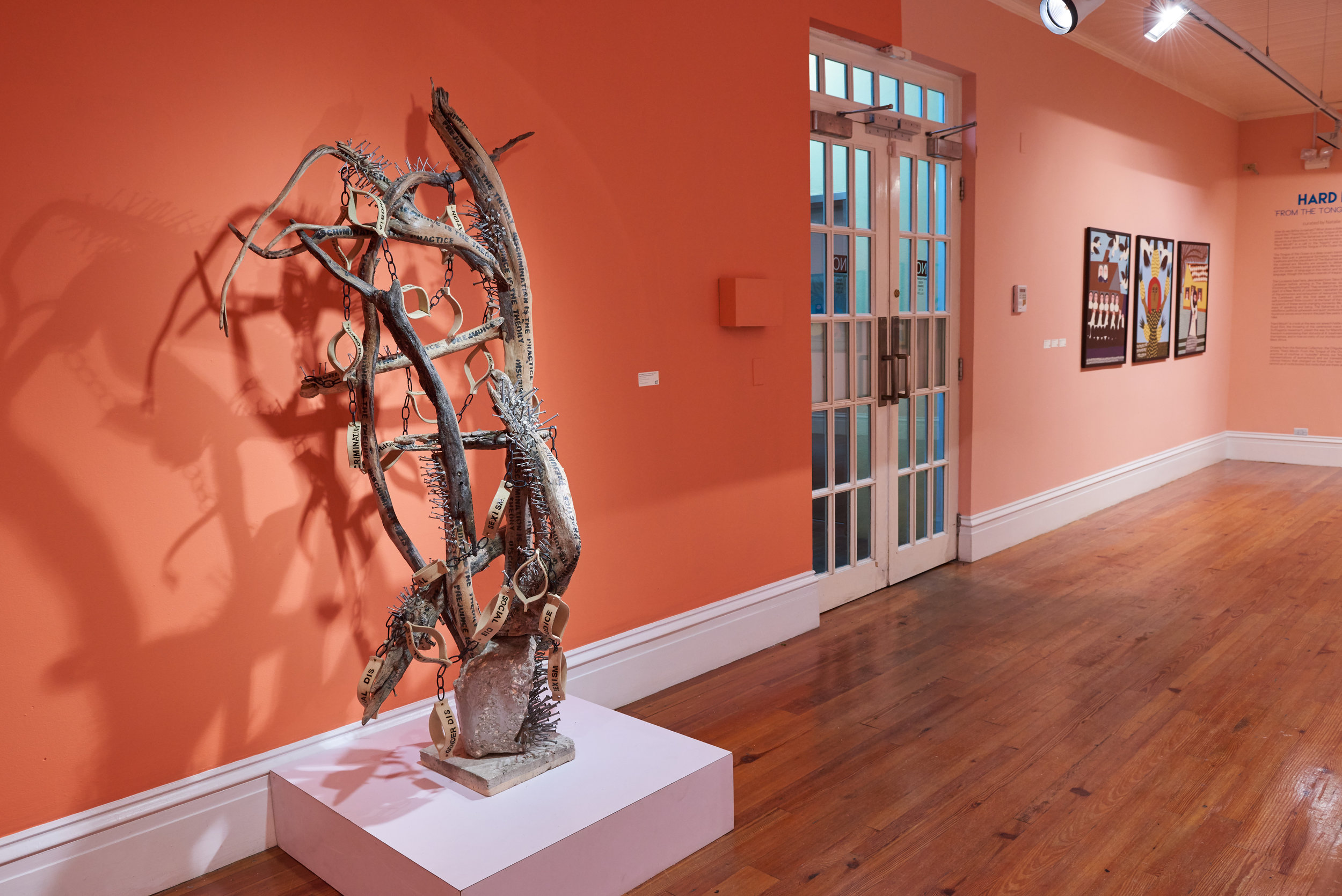
By Letitia Pratt. It is a hopeful mission of the African diasporas to heal the ancestral pain that Black peoples have inherited. This healing will only come to us in the process of remembering. One of the primary ways to initiate this process is through the creation and consumption of art, which invites us to remember the past, take stock of the present, and come to terms with the complex histories that influence our current experiences as Black people. This process is especially needed for Black Bahamians, whose past traumas shape how we view ourselves. It is incumbent on our ability to tell truths about our past: we must recall times of slave rebellions, punishments, uprisings and revolts. We must remember the slaves that escaped the tyranny of Lord Rolle of Exuma – only to be recaptured and severely punished – and remember the tragedy of Poor Kate of Crooked Island who died from torture in the stocks for seventeen days. (The Morning Chronicle, 1929). It is these stories we need to remember. These are the stories that shaped our ancestors. These are the traumas we need to heal from. Katrina Cartwright’s Nkisi/Nkondi Figure: Prejudice is the Theory, Discrimination is the Practice, (2012) does just that: It forces us to remember, and it inspires us to heal.
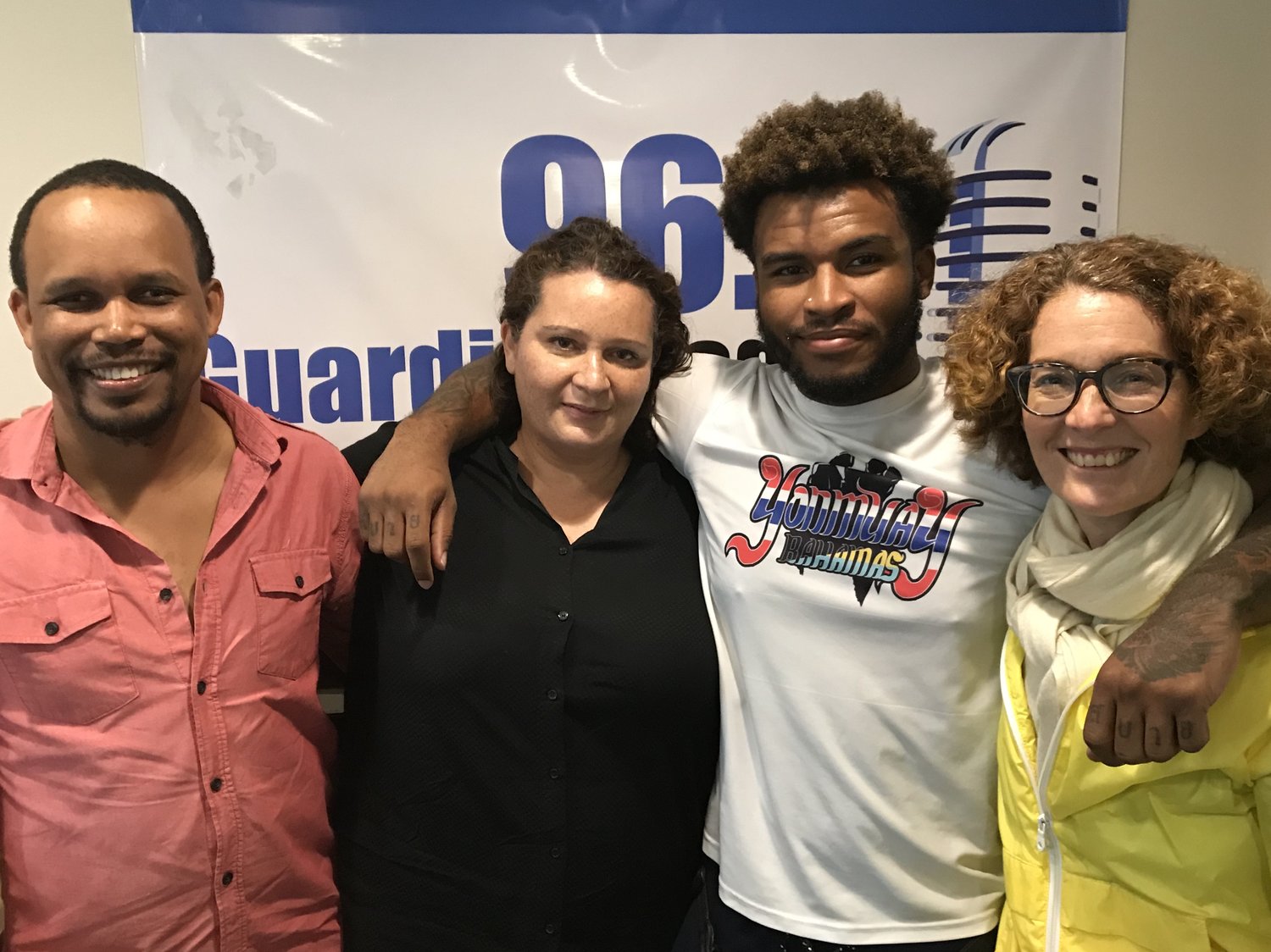
On tonight’s Blank Canvas we focus on two events taking place over the next few days in New Providence.
First we hear from DC Pratt (second from right), the son of Bahamian artist Chan Pratt, who was a colleague of the great Eddie Minnis and painted with a similar eye for our island. Chan died at a young age and, in his desire for his father’s legacy to live on, DC created the Chan Pratt Foundation, which supports young Bahamian artists in their career path by funding a scholarship to the University of The Bahamas. The annual fundraising event, the “Chan Pratt Inspiration,” takes place at Sapodilla on West Bay Street tomorrow night from 7-10 p.m.
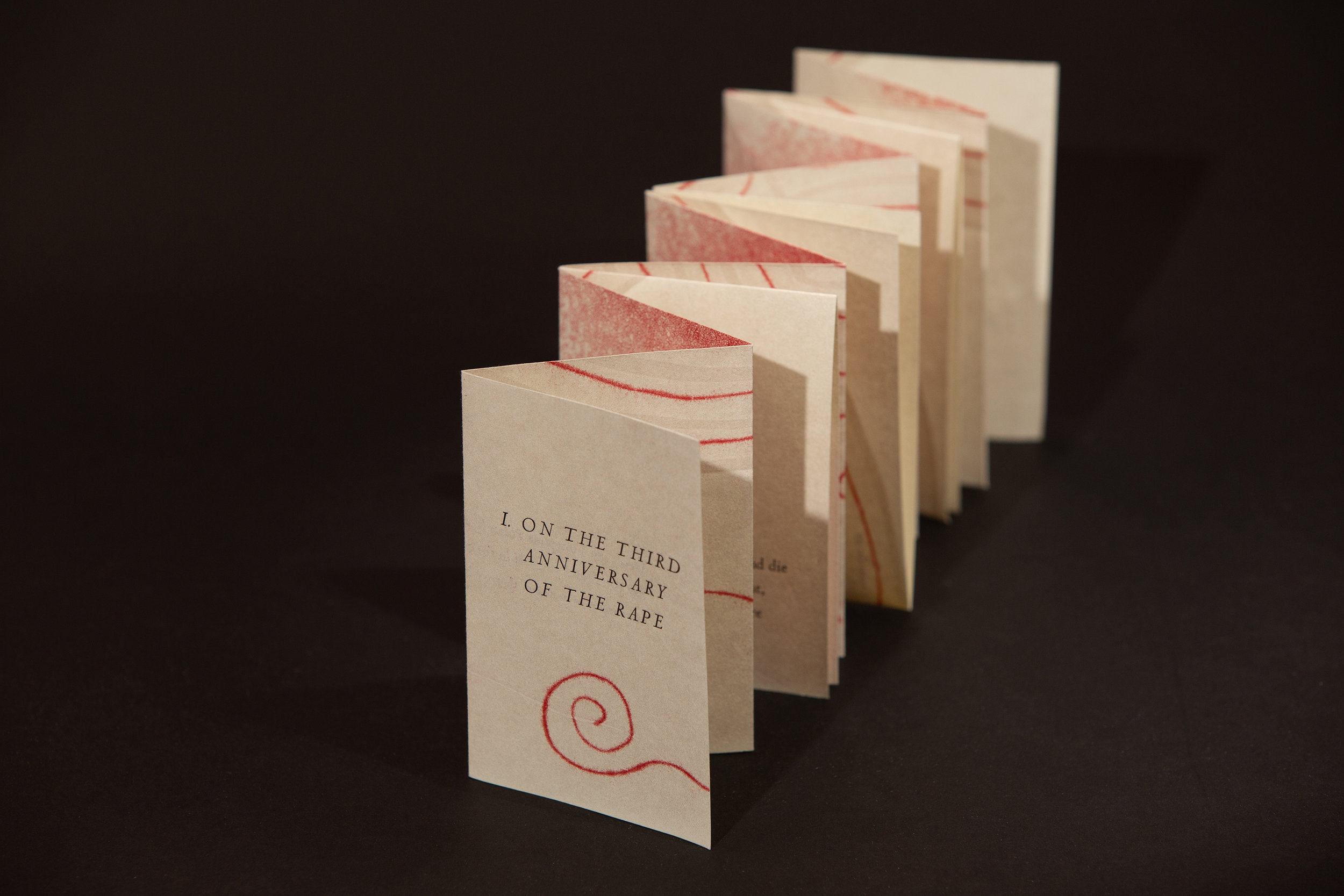
By Natalie Willis. The issue of rape, and subsequently its deafening silence, is a shocking social disservice in this country, and it is something we should be using our voices to ask many, many questions about. With a failed gender equality referendum, and marital rape still being legal, it is hardly surprising that the statistics for sexual assault in The Bahamas continue to rise. Read between the lines of the statistics and there’s still not enough room for the 60%+ unreported sexual assaults, let alone the “pick-up” lines (see: street harassment) that feeds into gender-based violence. The statistics for the rape of men are even less likely to show the severity of the situation. The sexual violence against women, children, and men, in addition to the commonplace armed robbery and assault, we are left with a labyrinth of heartache and bloodshed that is difficult to find our way out of.

For Caribbean economies reliant on tourism, the demands of a capitalist market often preclude the production of authentic cultural goods.
By Kevanté A.C. Cash, NAGB Correspondent. Amid the cacophany of fragile male egos, speaking ever so loudly over the voices of the most vulnerable, the question arises: where can the disenfranchised go to feel safe and protected? To feel comfortable in one’s own skin? To be loved for themselves entirely, and not be used, abused, mistreated or abandoned? Organised religion, for years, has done a superb job in keeping the marginalised on the outskirts of the conversations that seeks to give them liberty. The marginalised meaning ‘the backbone of society’, the movers, makers, shakers and doers, the ones who are made to feel ashamed for how they express themselves and their sexualities. These people–women–I argue are the most disenfranchised group of individuals within society.
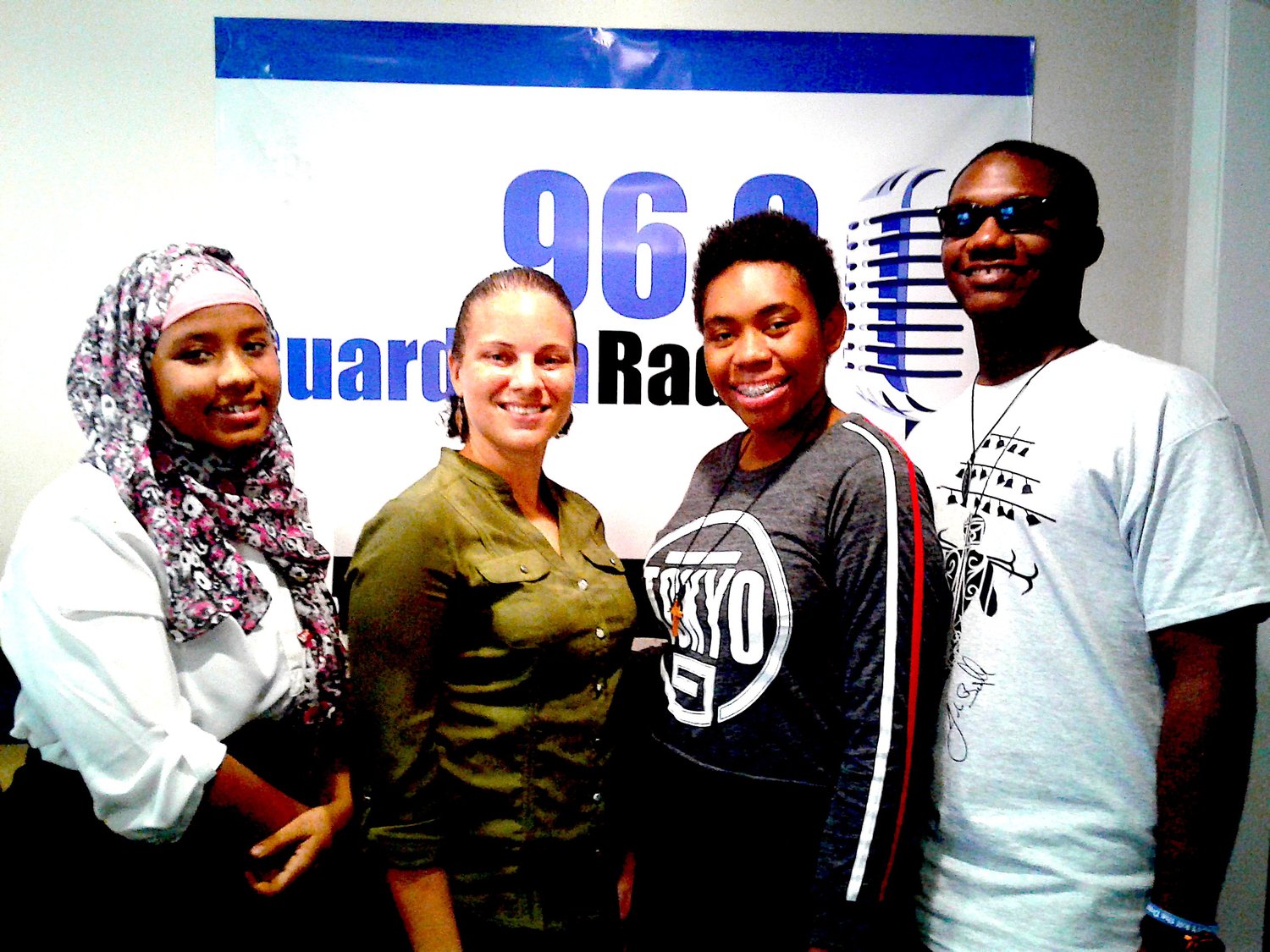
On tonight’s Blank Canvas we are focusing on young, upcoming artists who are taking the first steps in their creative careers and utilising the NAGB’s free portfolio workshops to assist them in their application to universities abroad and to other artistic opportunities.
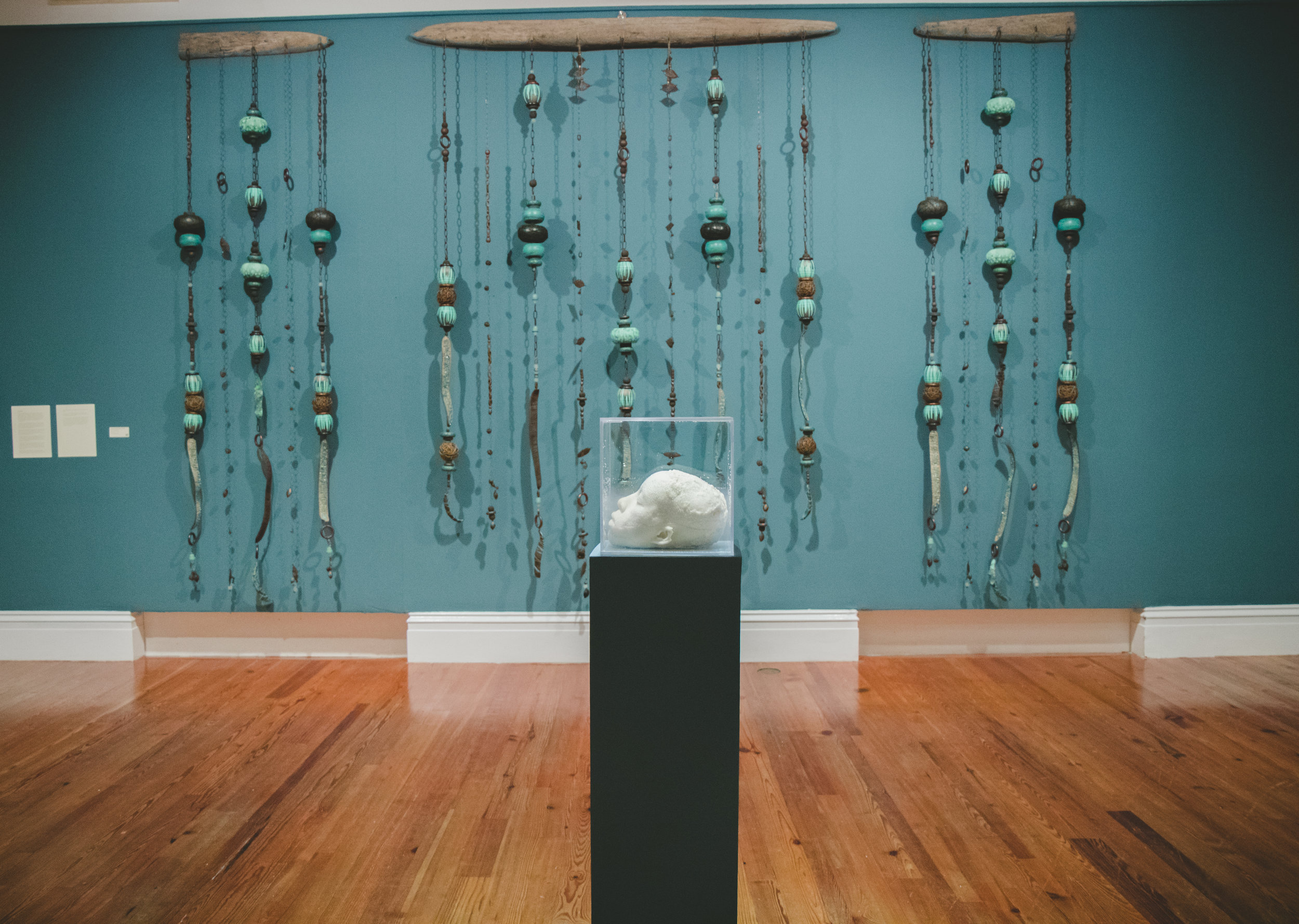
By Dr Ian Bethell-Bennett, The University of The Bahamas. Salt: pressed into flesh, brines and cures, drying left on lines, as flies land and enjoy a feast of decaying flesh; a colonial resource extracted from the spaces of the once far-flung regions of empire. Salt is a way of life; a natural resource abundantly available in the islands; the pain of enslaved Africans who laboured tirelessly in its corrosive briny suspension as they raked salt under hot sun. Their skin ulcered, backs bent and minds steeled against the dehumanisation of exploitation and enslavement.