By Dr Ian Bethell Bennett,The University of The Bahamas. Colonialism and coloniality in design occur when little is left of the past to remind us of the physical reality. On a recent trip to Cape Town, I had the pleasure of enjoying two spectacular spaces of art and design that showed how important it is to think through purpose and landscape and how the beauty of both can be made functional in the spaces created. I had the pleasure of stumbling into a nursery that doubled as an apparent antiquarian. The space was large and well-designed with room to breathe. Form and purpose combined with the art of design to speak to concepts of natural beauty, much like the wave design at the London Aquatic Centre at Stratford designed by Zaha Hadid especially for the 2012 Olympic games and constructed by Balfour Beaty; the perfect example of form, design and purpose merging and blurring lines of functionality and beauty.
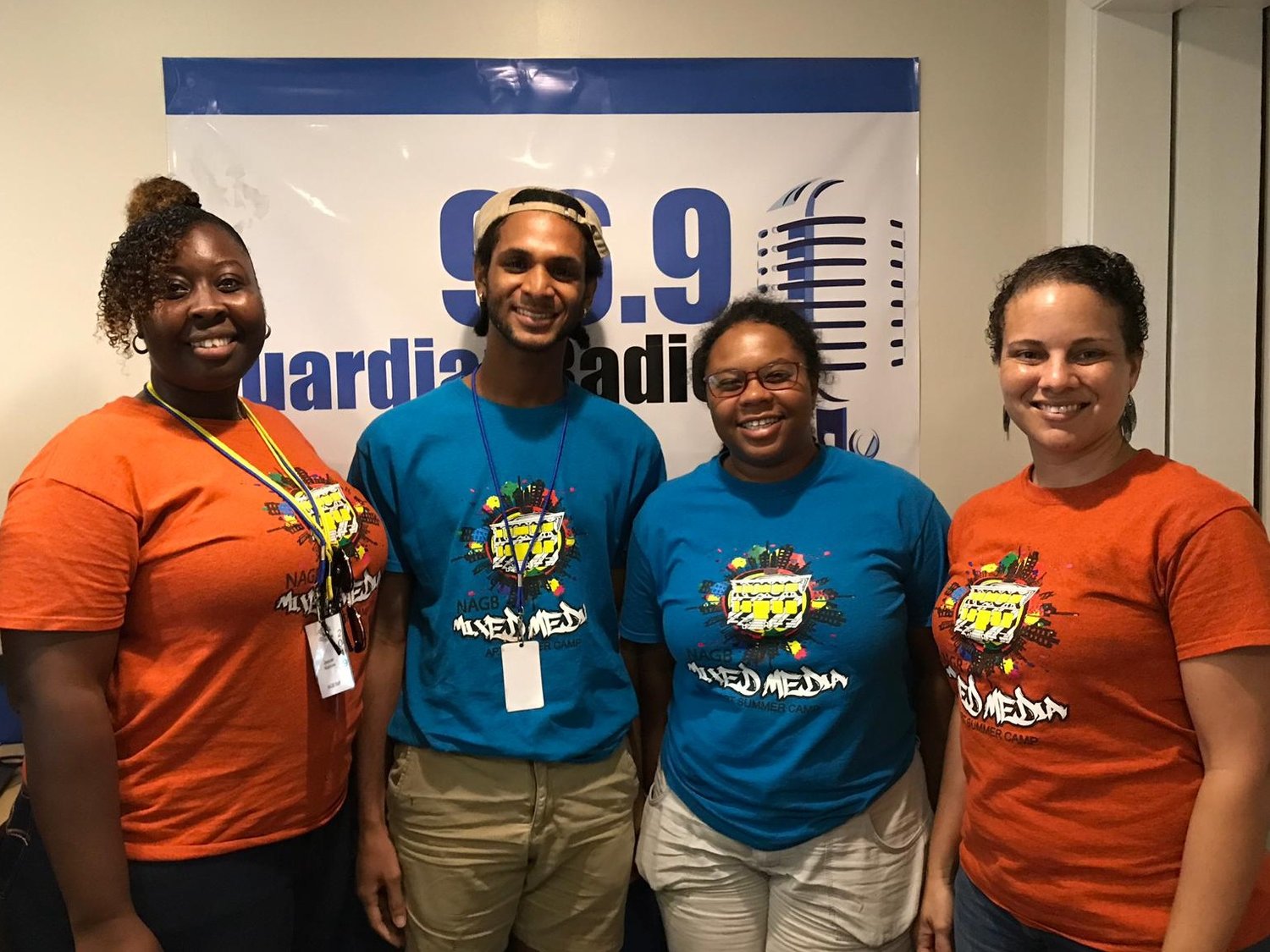
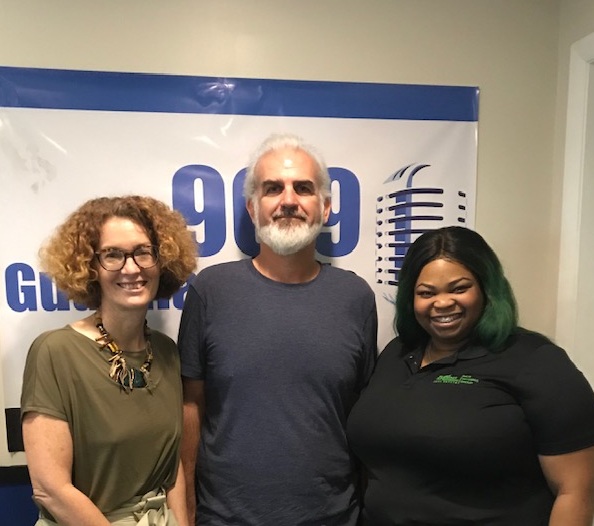
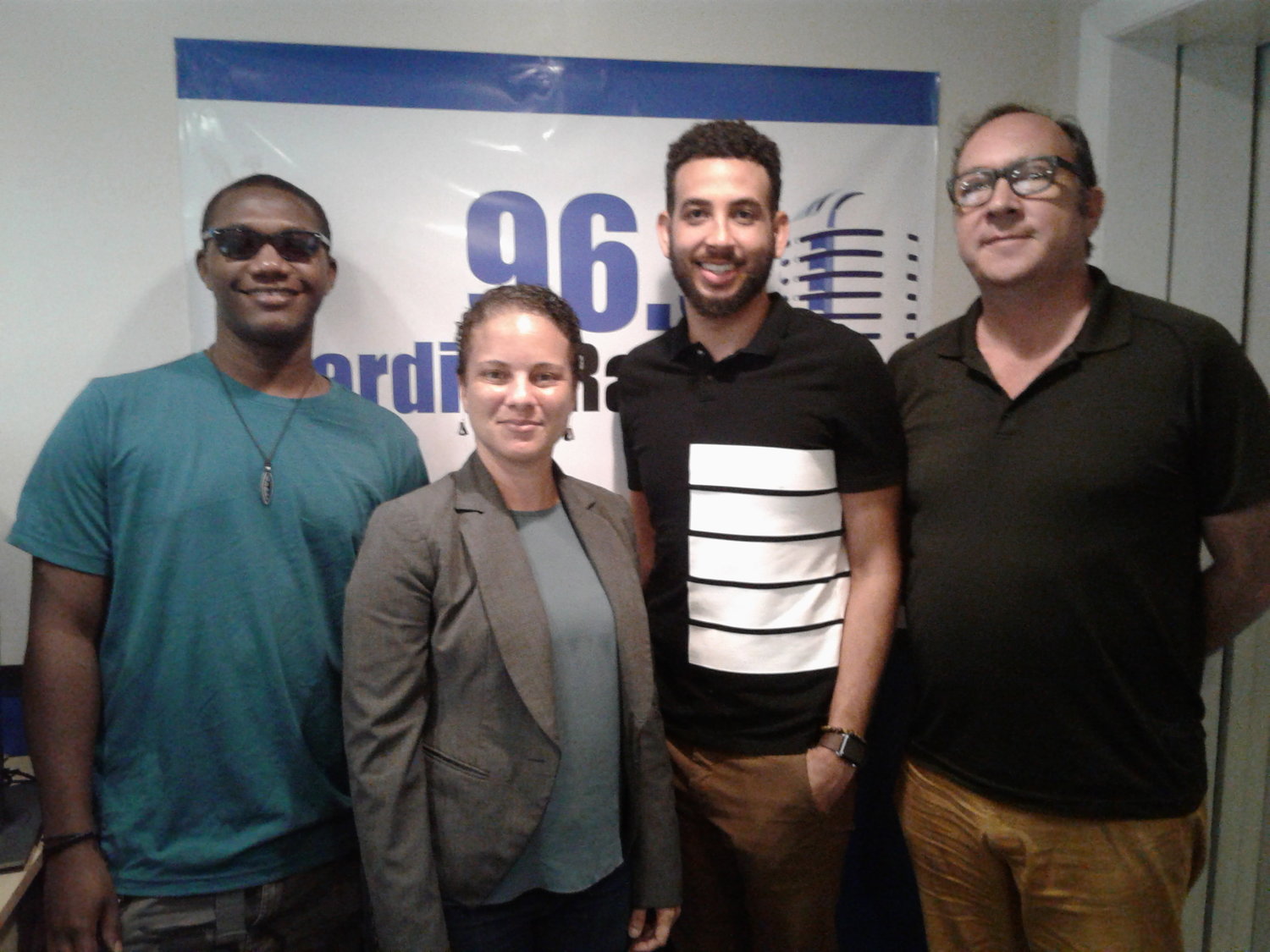
On tonight’s Blank Canvas, guest host Katrina Cartwright, NAGB Education and Outreach Manager, is joined by a few of the “crew” from the museum’s Mixed Media Art Summer Camp (MMASC). (L to R) Zearier Munroe, NAGB Community Outreach Officer and MMASC camp counsellors Errol Munroe and Tamia Roberts, share their experiences and thoughts on this year’s summer camp and discuss the upcoming camp exhibition opening and awards ceremony.
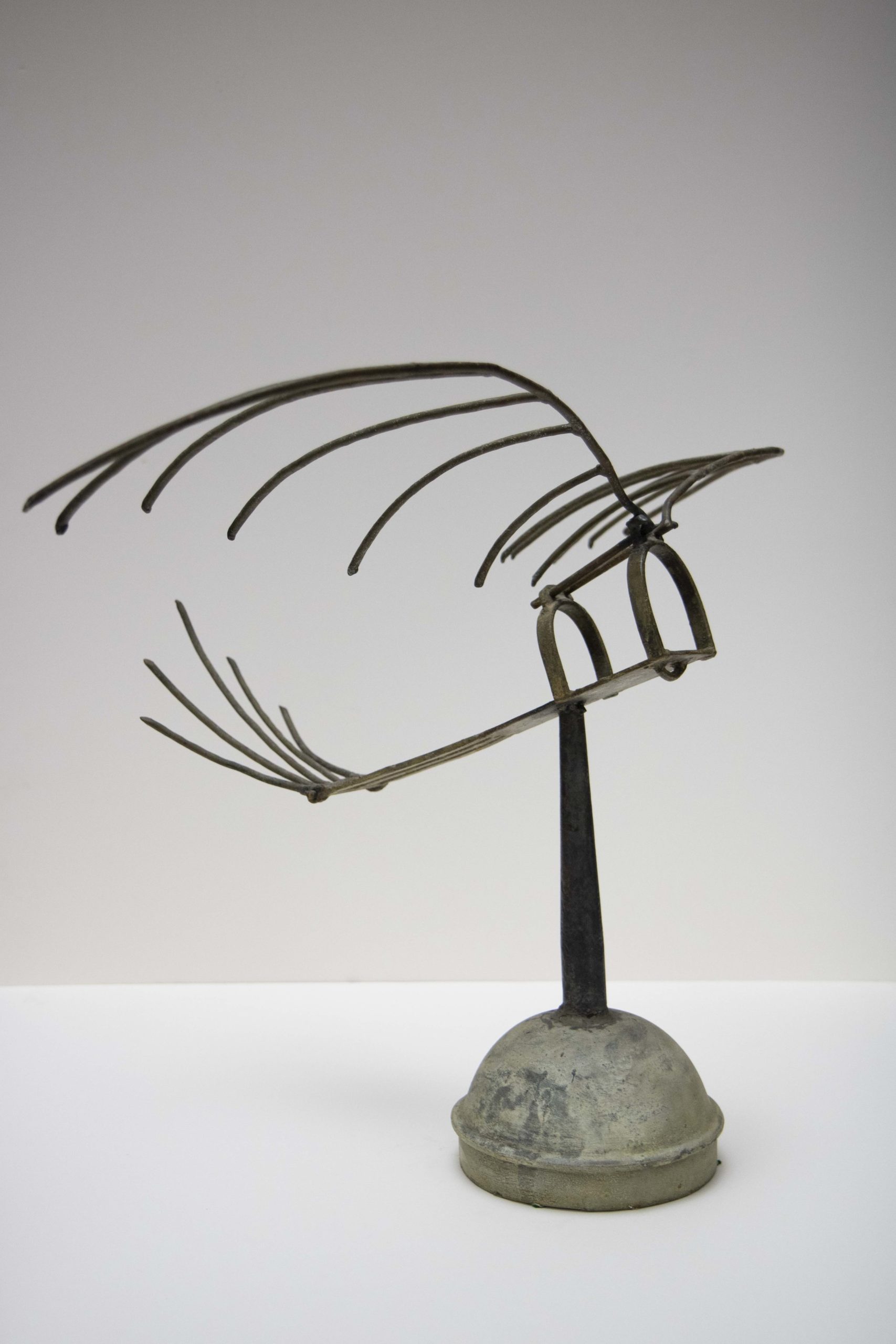
By Natalie Willis. Metal is a tricky medium. It’s industrial, ceremonial, it can be strong enough to build bridges or soft enough that your very teeth could dent it. For Tyrone Ferguson, he doesn’t seem to find these traits something to work against, rather he works with his medium intuitively, sensitively, and brings some spirit back into metalwork and blacksmithing.
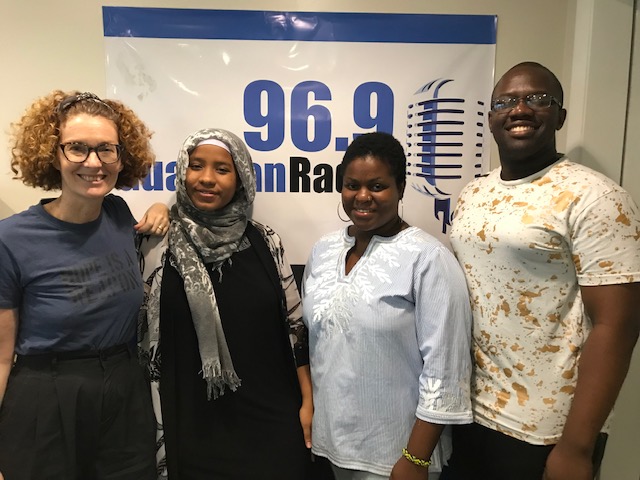
On tonight’s Blank Canvas, your regular host Amanda Coulson (NAGB’s Executive Director) interviews three artists from the recently formed “WE Collective,” an artists’ group that spans various nations in the Caribbean. Joining Amanda (from left to right) are Amaani Hepburn, Xan Xi, and Thomas Hairston who will—along with Eddi Zemaye (who was unable to join us)—be sharing their paintings, charcoal drawing, photographs and collage work with our local audiences at their group show, opening on Thursday 18th July, at Doongalik Studios, entitled “Self: Portrait.”
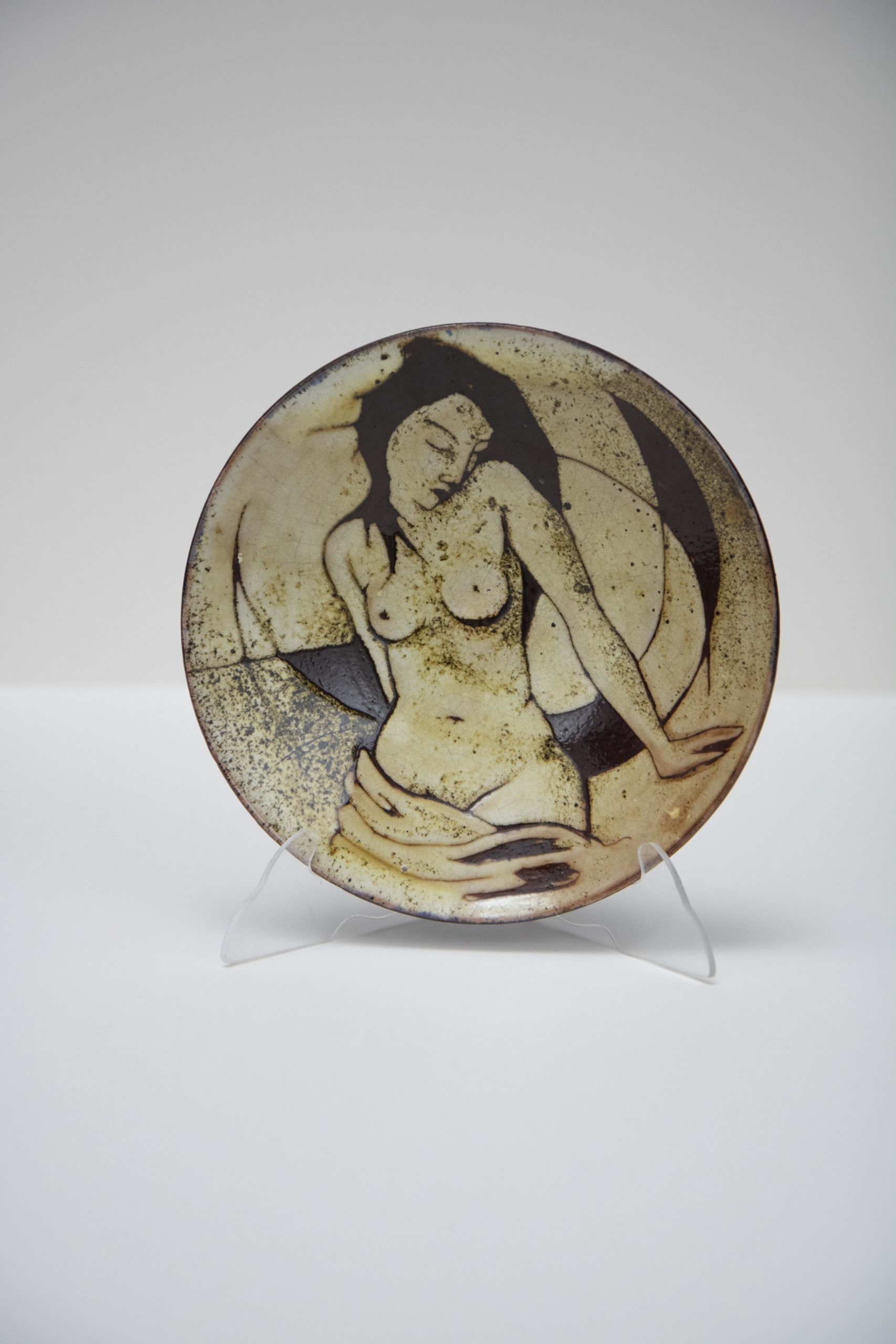
By Natalie Willis. A beautifully formed piece of handmade ceramic work, produced at the Chelsea Pottery in Nassau in 1960, serves as a great point of departure for talking about some of our Bahamian art histories. Clay work, like drawing and painting, has a history almost as old as humanity itself. Our legacy of pottery here begins with the indigenous peoples of The Bahamas – the Arawaks, Lucayans, and Tainos. As Dr Erica M. James lays out in her key text on Bahamian art history in “Bahamian Modernism”, our background of creative visual culture is much richer and varied than we tend to hear about.
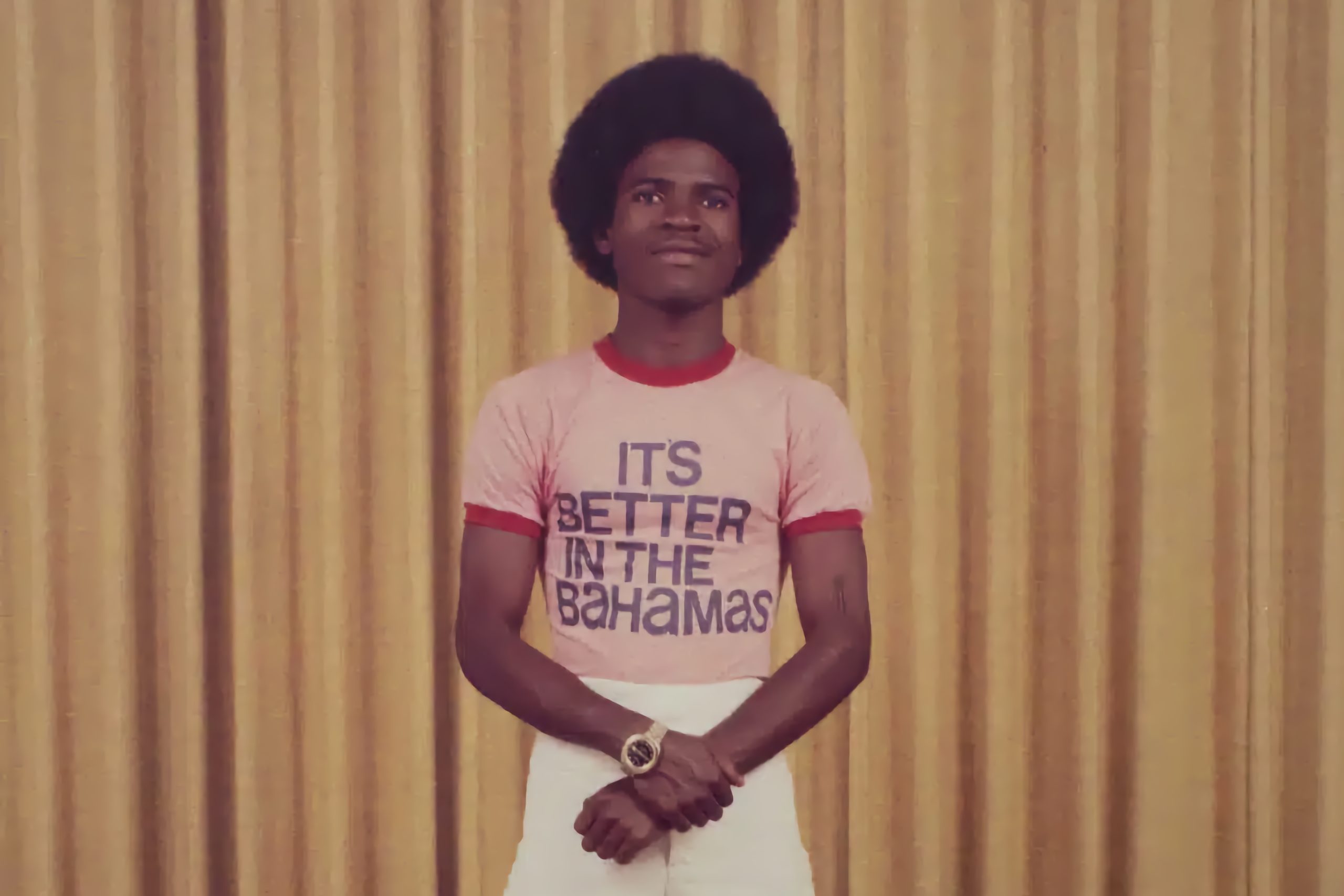
Historical photographs show Bahamians claiming and embracing their African heritage. Aptly named, these photographs show us a period in our history where Bahamians were pointedly claiming and embracing their Blackness. This sense of pride was born out of, but not limited to America’s expressions of Black power during the Civil Rights Movement, the road to Majority Rule in 1967, and The Bahamas’ independence in 1973.
On tonight’s Blank Canvas your host Amanda Coulson, NAGB Executive Director, is joined by artists John Paul Saddleton and June Collie.
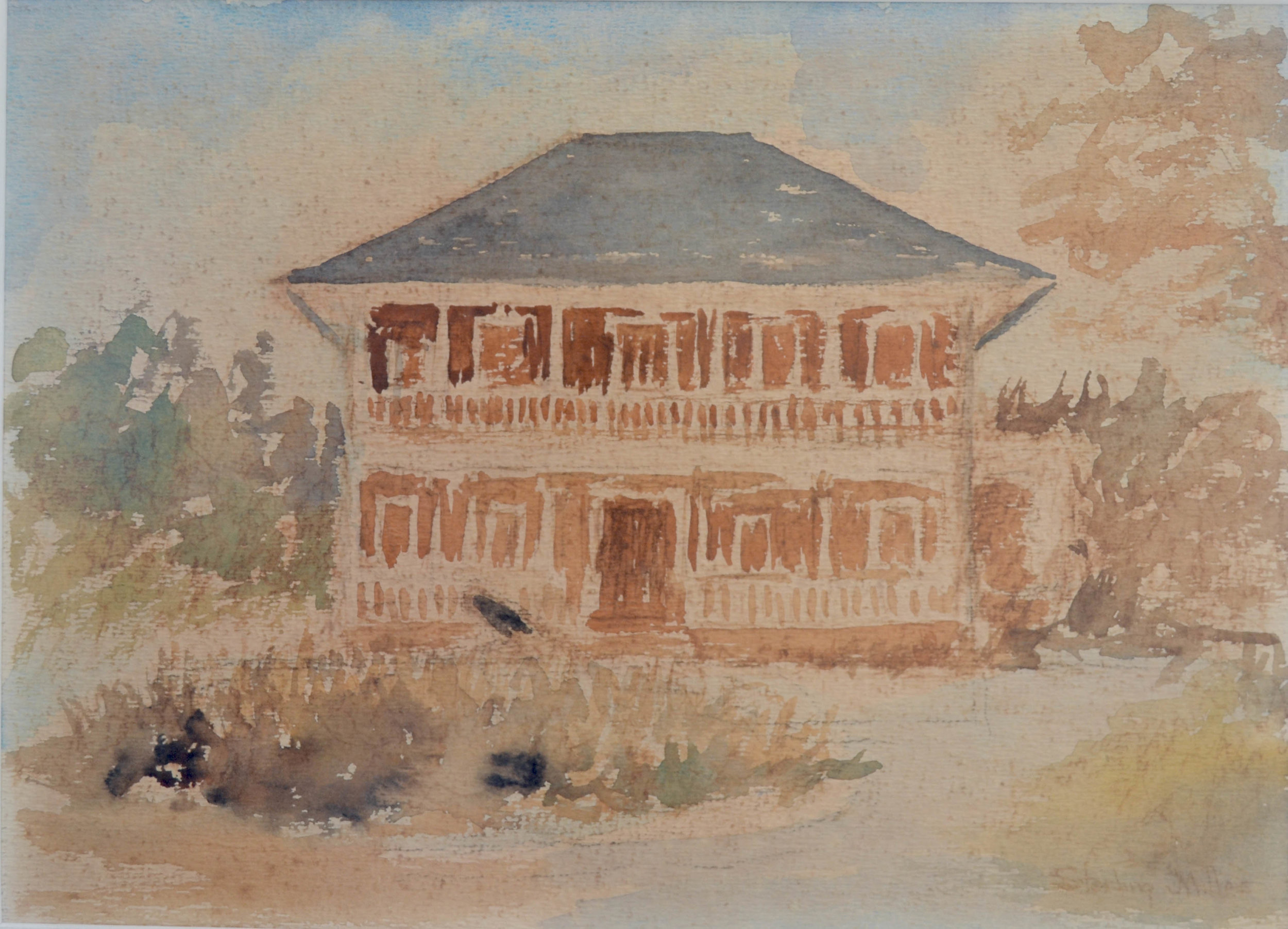
Stories Demure Facade, Colourful History: Sterling Miller’s “Villa Doyle” (ca. 1969) Natalie Willis ● 3 July 2019 The Villa Doyle,