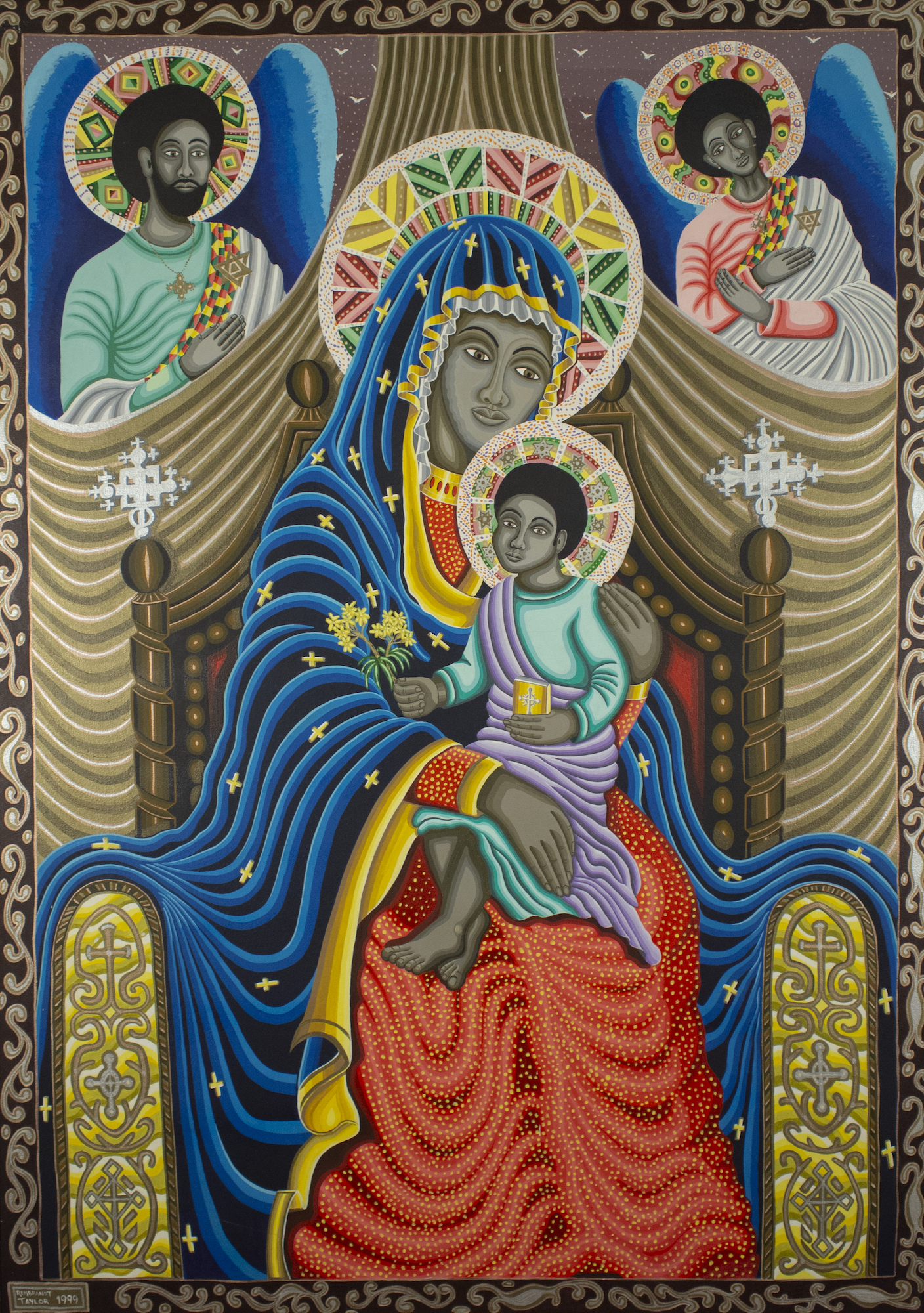
By Natalie Willis The image of Black Madonna is a symbol of strength, of representations of Blackness and acknowledgement, of [...]
Learn more
From the Collection: Rembrandt Taylor’s Madonna and Child
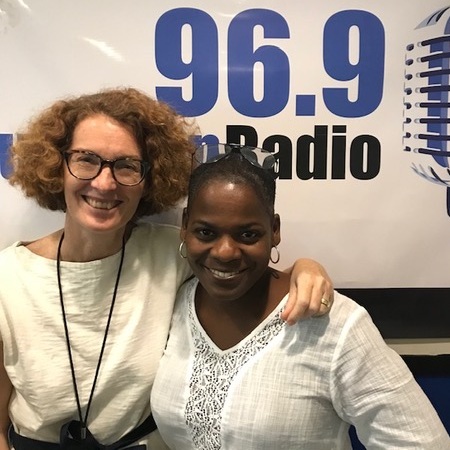
On this week’s Blank Canvas we are visited by Bahamian artist Lillian Blades, who lives and works in Atlanta, Georgia. Blades was born in Nassau in 1973 and strives, through her personal art practice and public art projects, to create and strengthen connections.
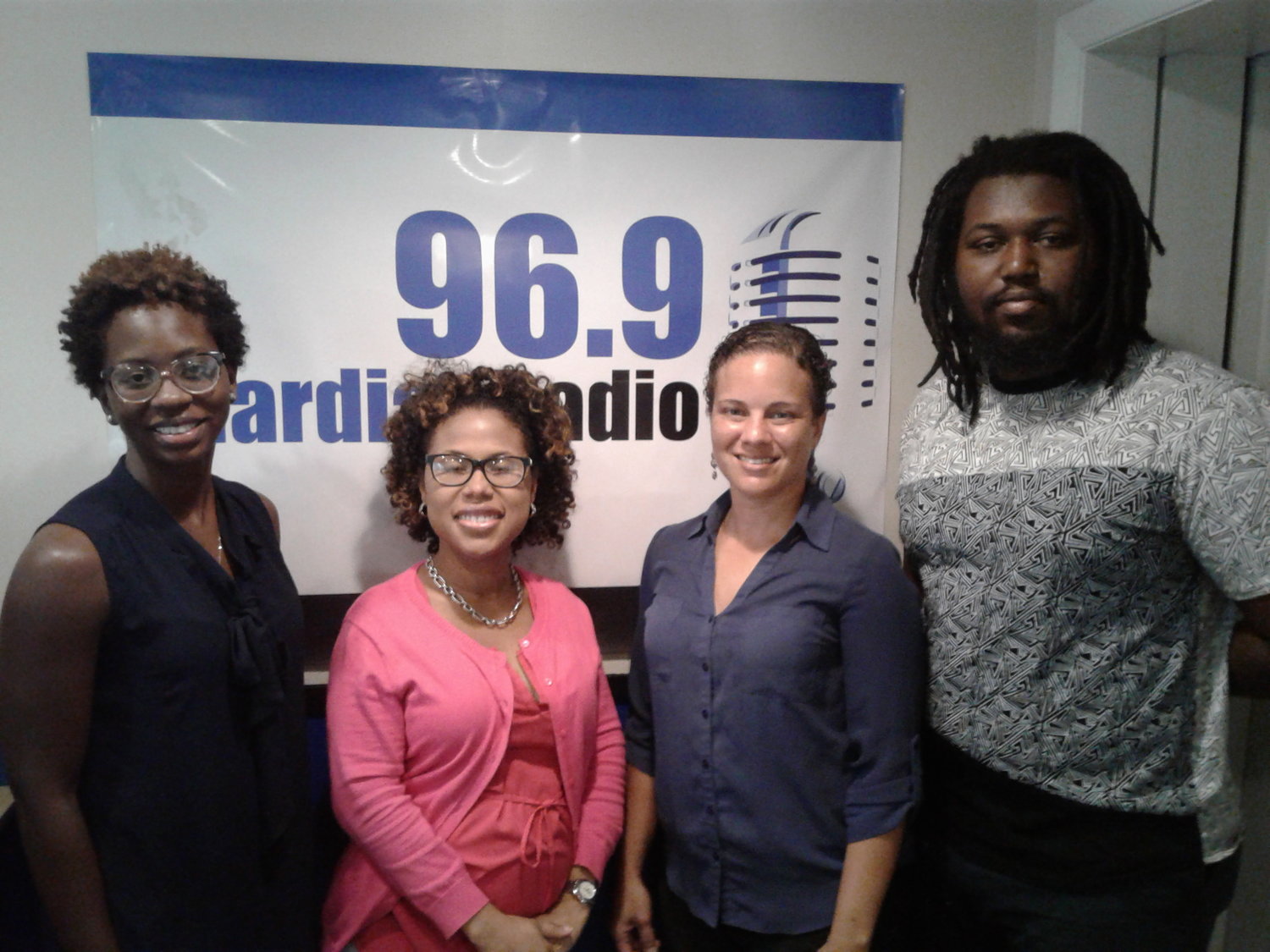
Tonight’s Blank Canvas is all about partnerships and the positive, far reaching impact collaborations can have on communities. Guest host Katrina Cartwright, NAGB Education and Outreach Manager, is joined by two representatives from Popeyes, Brand Manager Vashti Simmons and Marketing Manager AnnMarie Romer, for the first segment and for the latter segments, Matthew Rahming, Curatorial Assistant at the NAGB.
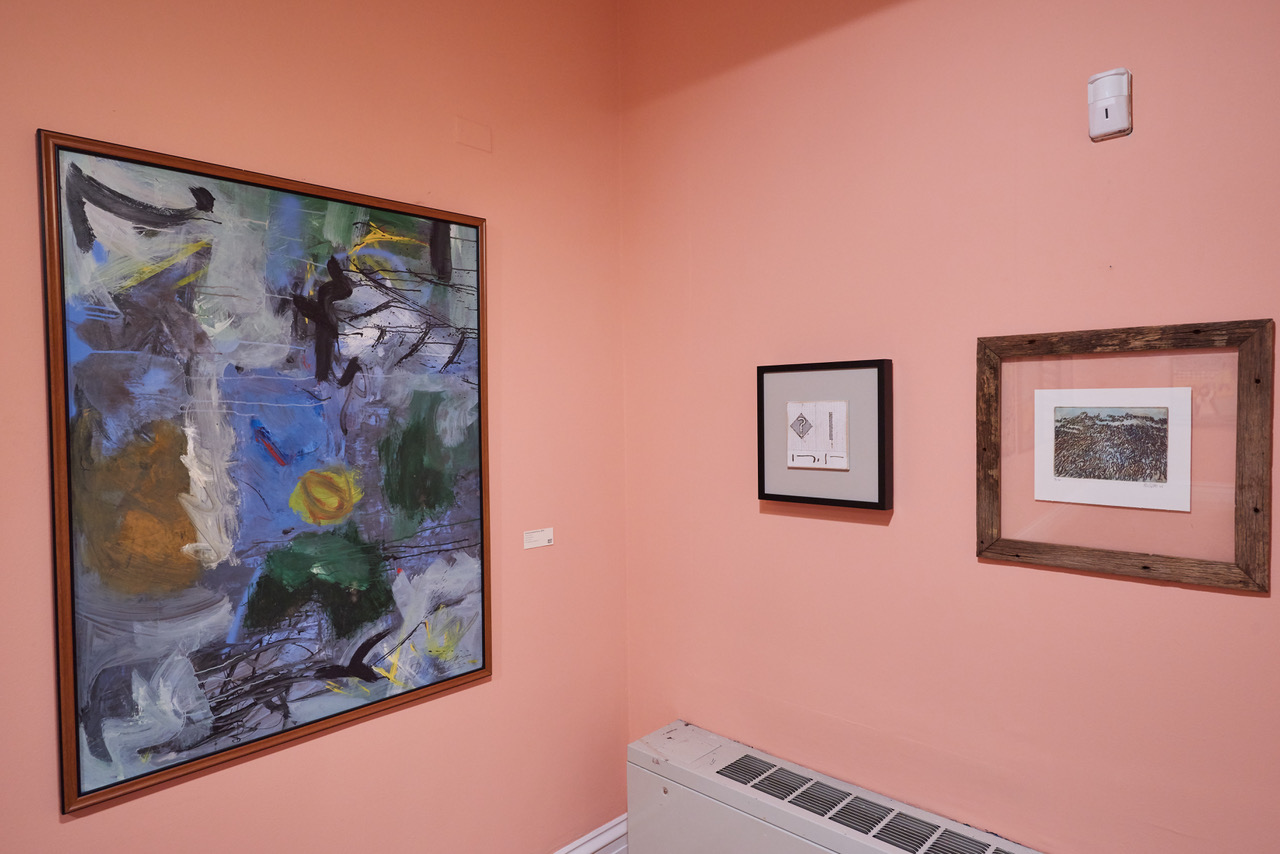
By Blake Fox. Currently on display through June 2, 2019, at the National Art Gallery of The Bahamas (NAGB), the Permanent Exhibition “Hard Mouth: From the Tongue of the Ocean” focuses on how both verbal and visual language have shaped us as a country. One could argue that The Bahamas is a phonocentric culture, meaning speech is given precedence over written or visual work. Because of this emphasis on speech rather than written or visual work, it is no doubt that The Bahamas has a very rich oral culture. While Bahamians rely heavily on oral communication to pass down culture and traditions, visual and written works are just as crucial in communicating cultural beliefs and values in societies. This exhibition highlights Bahamian artwork that serves as a conduit to bridge the gap between our visual and oral culture in The Bahamas.
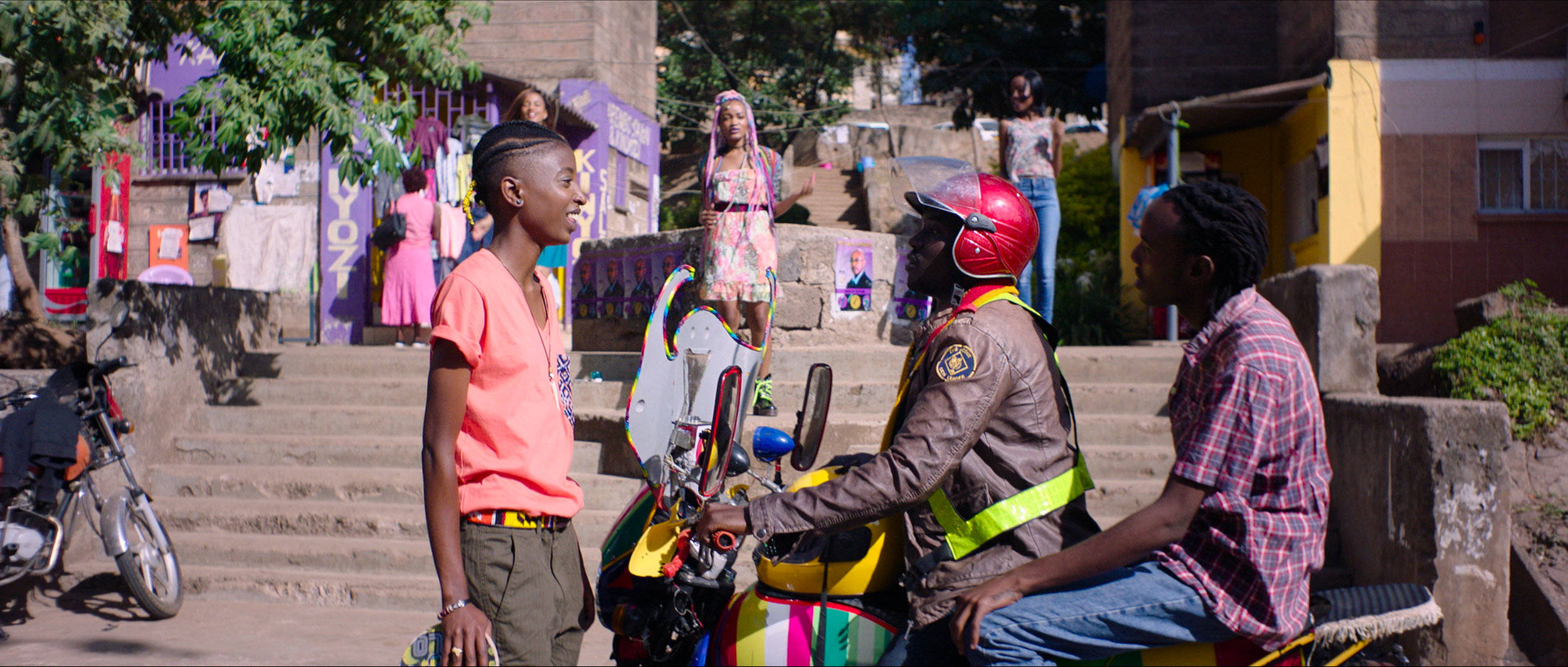
By Kevanté A.C. Cash, NAGB Correspondent. I am reminded of the challenges of life, even in moments of sheer bliss, reminded of the ways we cannot be, even in moments we are. I am reminded of the complexities of living in love a as Black, queer, artist, teacher, mother, sister, lover, friend, because it is all of these that comprise the human experience, yet none of these at all. I am reminded of themes of tried and proven love – over and over again in films such as Rafiki which in Swahili means “friend”. I would argue that the title itself was an act of intentionality and irony, as African culture, at a minimum, does not acknowledge the simple existence of queer love, in such coding lovers in terms such as “friend”. Above all of these though, I am reminded of just how boundlessly love can flow if given the space to manifest into something beautiful. Rafiki reminds me of the ways and trying times of love.
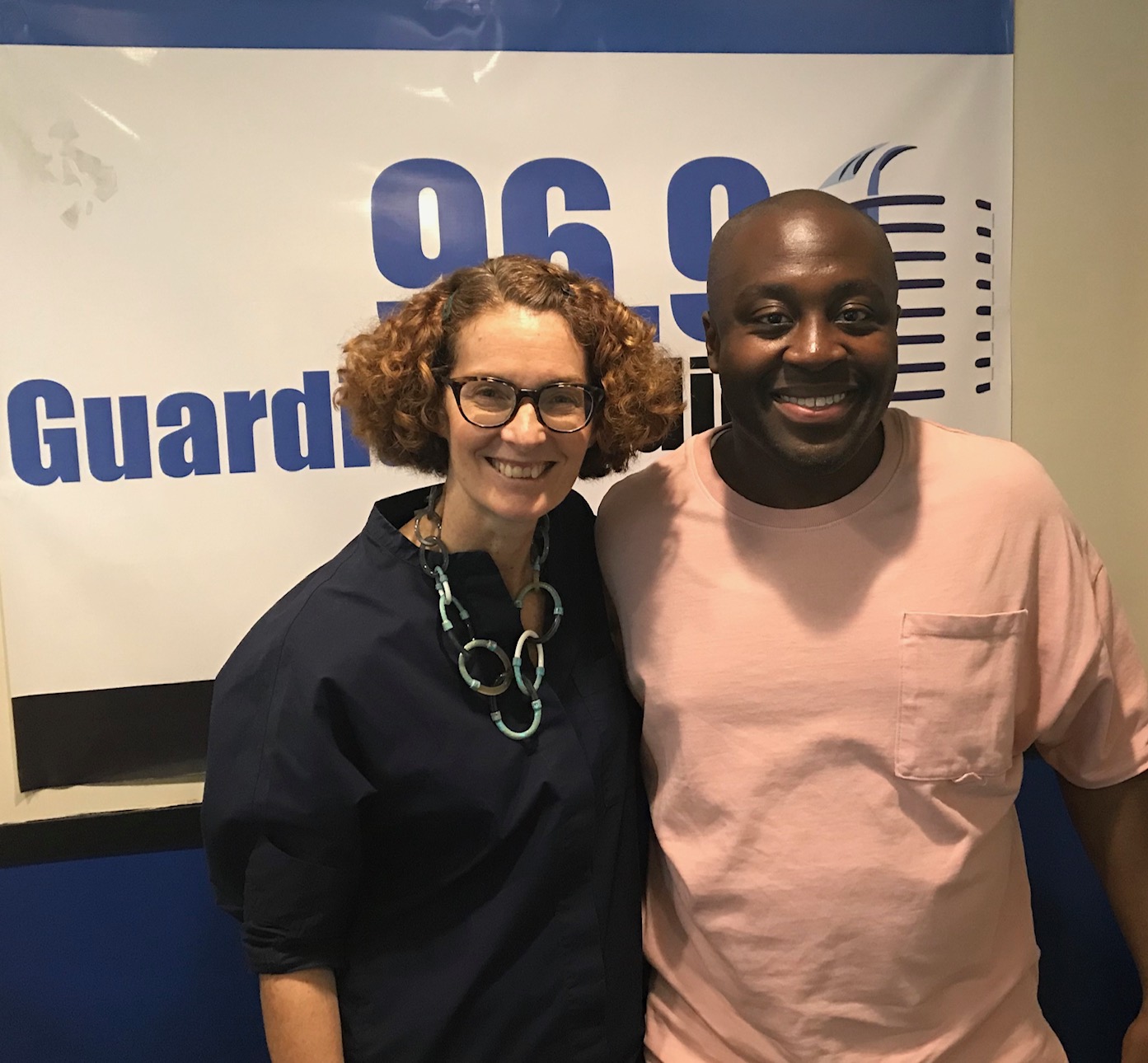
Another international curator, Larry Ossei-Mensah, has come to scope out the art scene in The Bahamas and we’re really pleased to have him in the Blank Canvas studio this week!
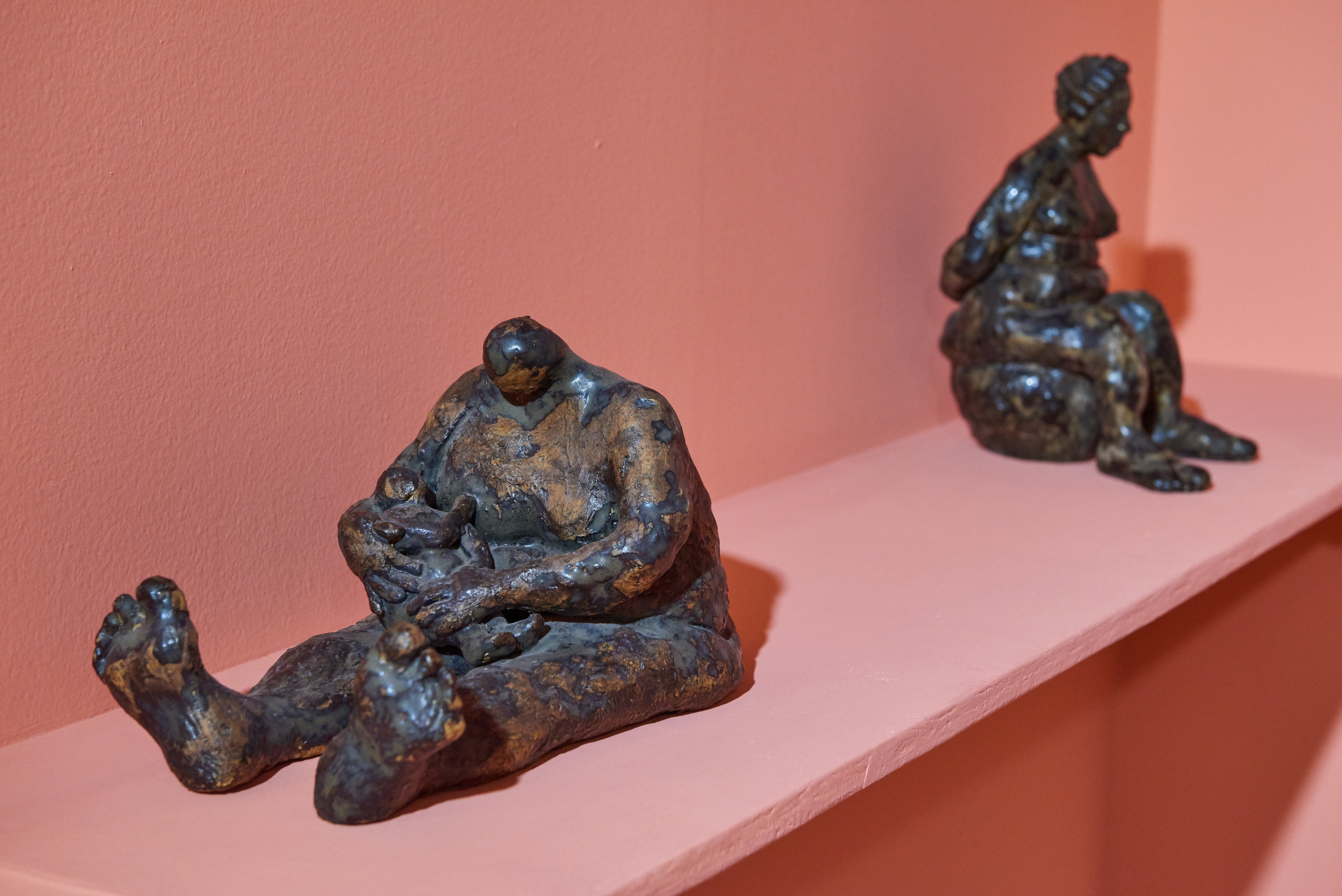
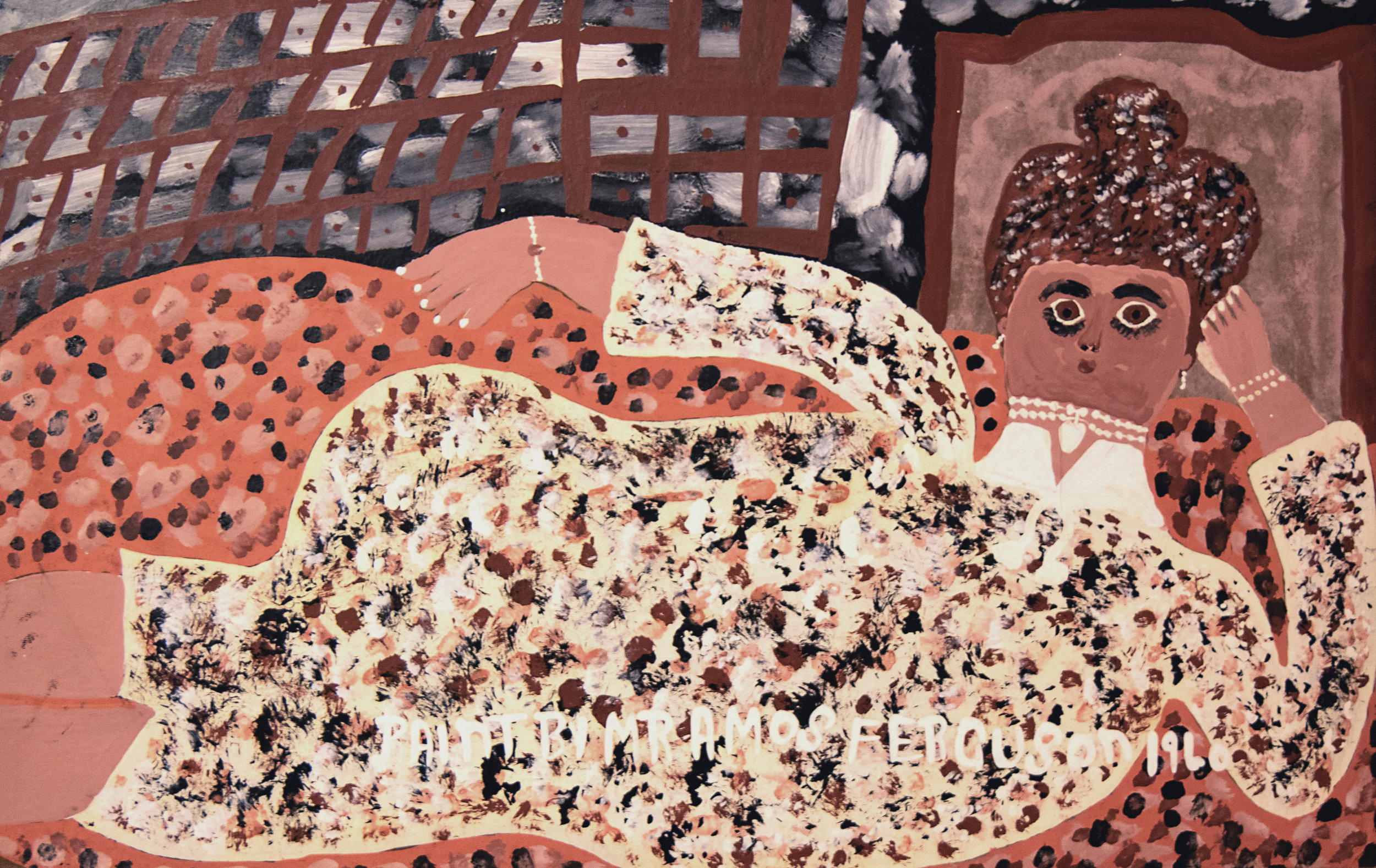
By Natalie Willis One of the key poses for women in classical painting is the reclining nude. It’s become such a huge part of the canon of European historical paintings, no doubt in part to the patriarchal obsession with the naked female form. Nonetheless, it’s been rich territory for many an earth-shattering painting in art history: Titian’s “Venus of Urbino” (1532-34), Jean Auguste Dominique Ingres’ “Grande Odalisque” (1814), and Manet’s infamous “Olympia” (1865), all of which changed the art world’s reading of the pose each time. It should come to us as no surprise then that Amos Ferguson, our beloved (and often misunderstood) intuitive painter from Exuma, might want to make his own mark in such territory, though perhaps more conservatively given his very religious background.