This machine can be thought of as capitalism, colonialism, racism, and all the other “isms” that disrupt true love and connection for humanity.
From the Collection & Into the Void: “Transformation” (1987) by Jolyon Smith
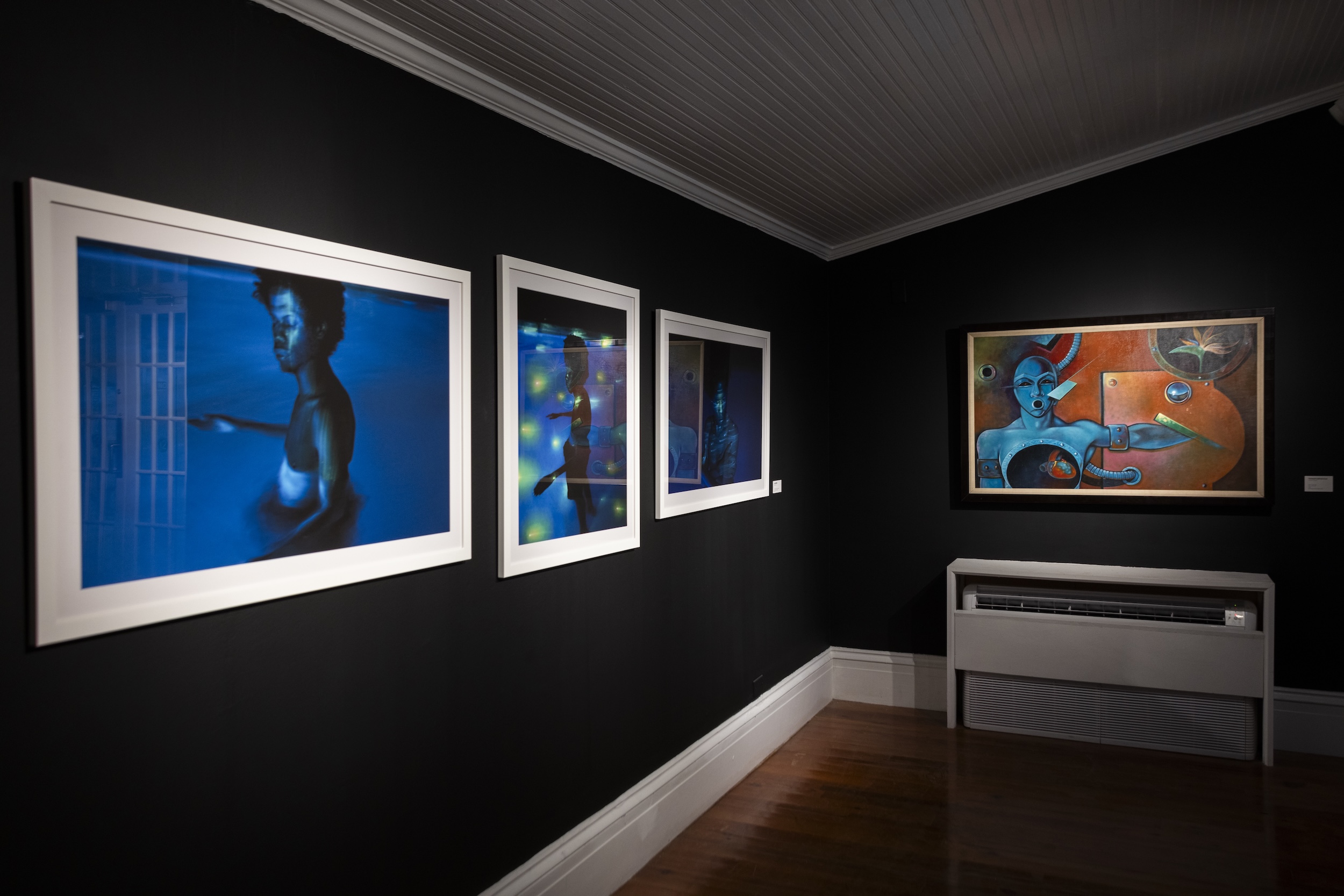
This machine can be thought of as capitalism, colonialism, racism, and all the other “isms” that disrupt true love and connection for humanity.
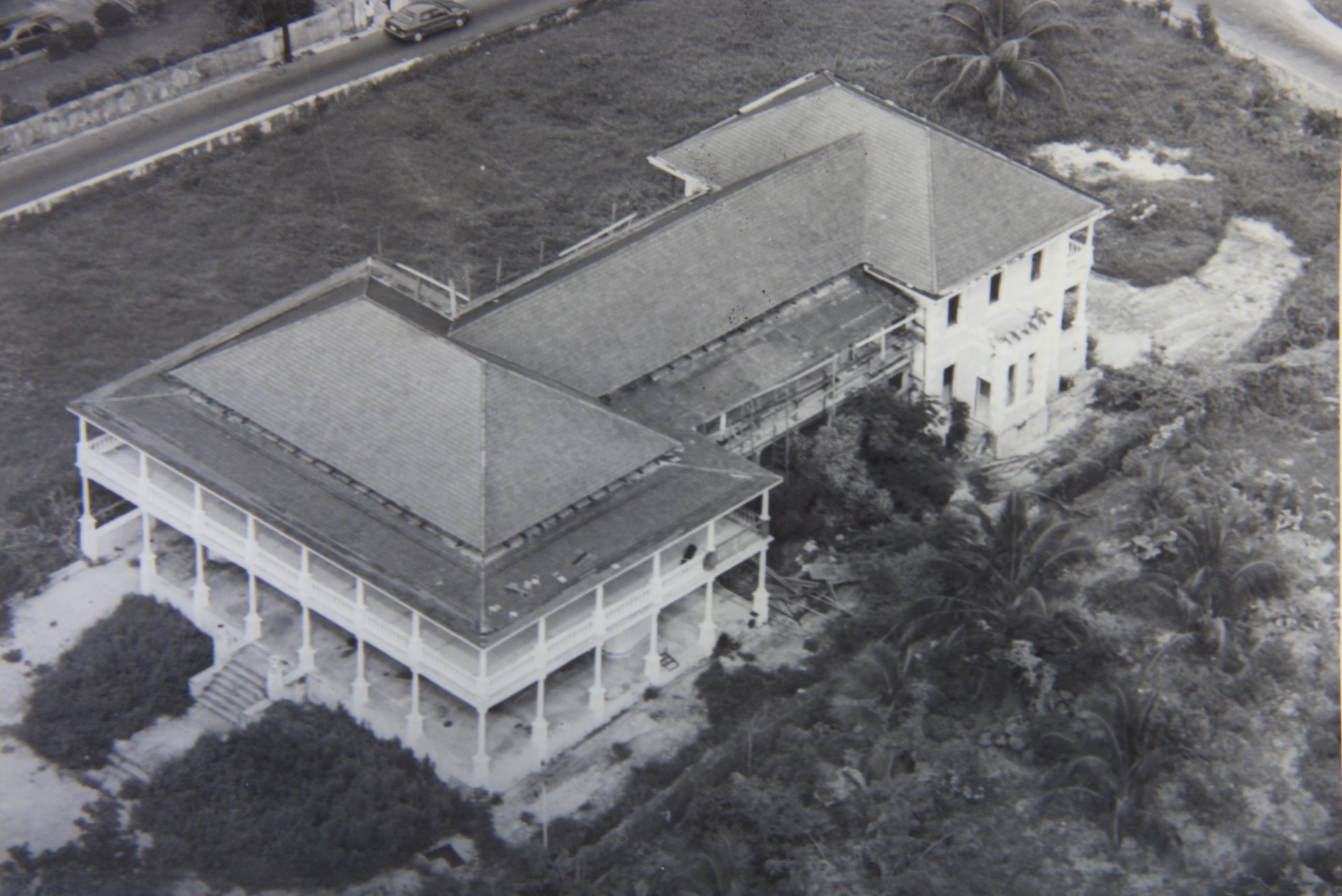
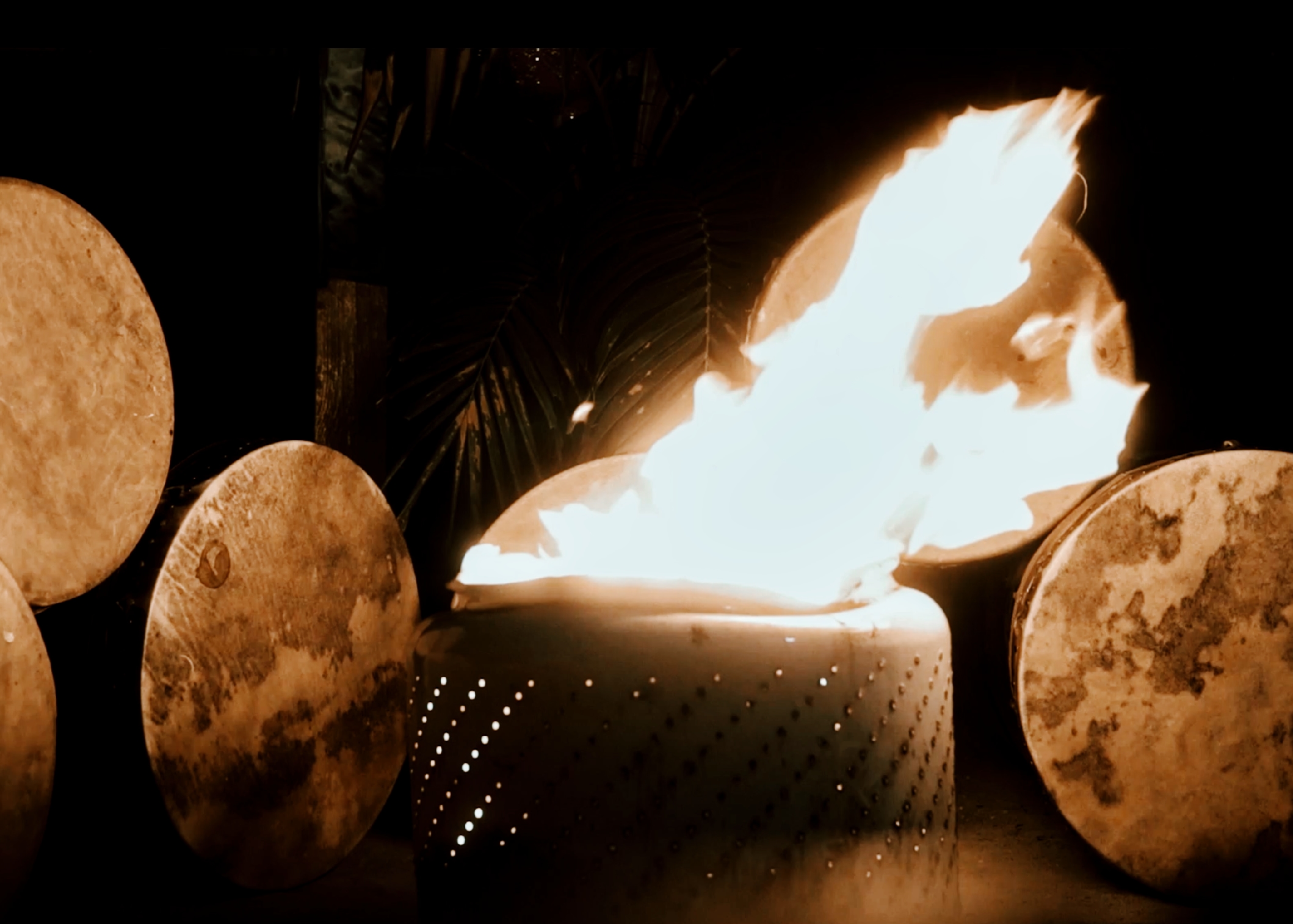
Through sound and poetry, Tanicia Pratt transforms a simple signal into a call for awareness and response to gender-based injustices.


Roberts engages with histories of the past, particularly those that have been erased or ignored through colonisation.
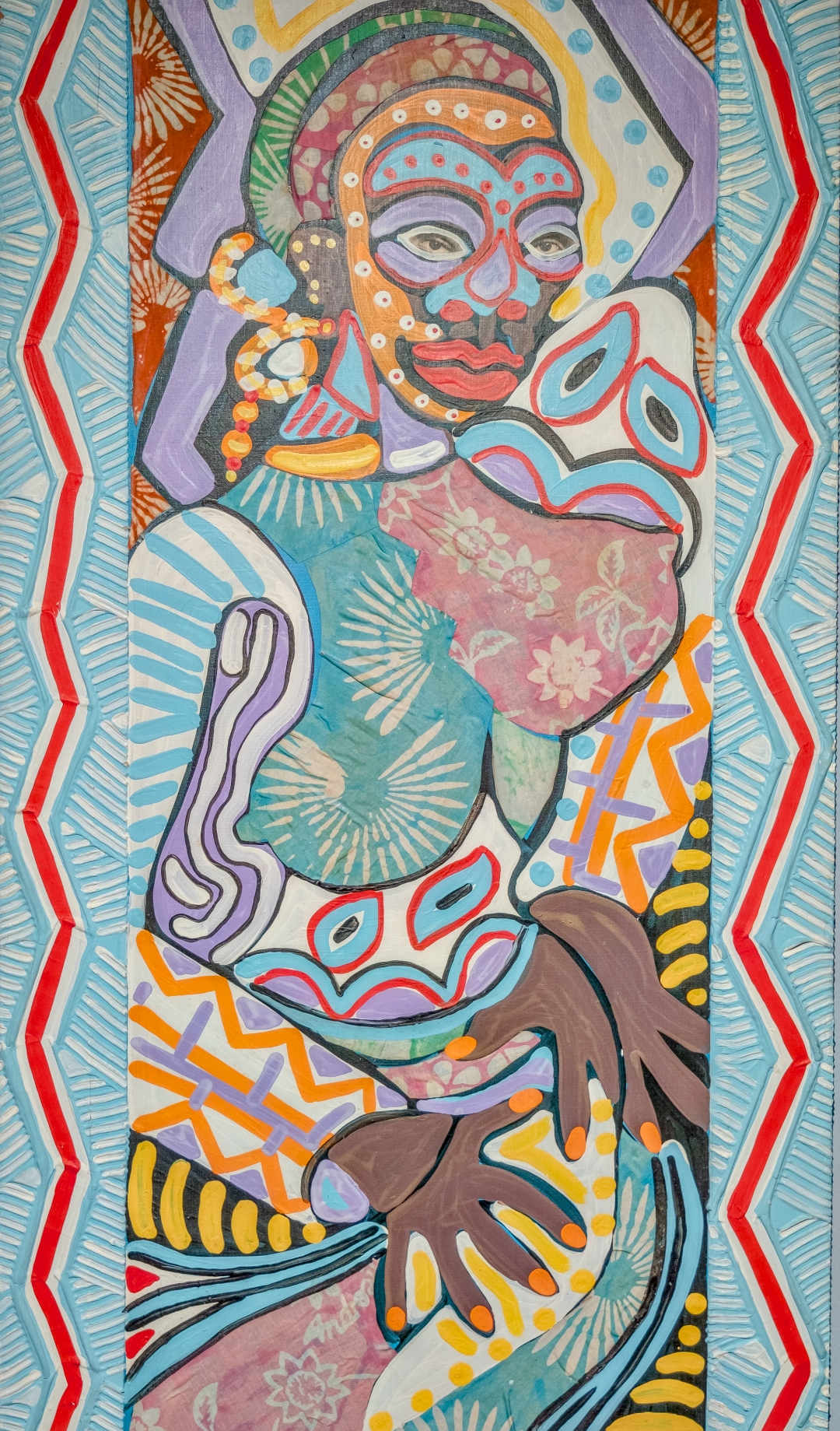
Cin’s intention for this work was to talk about the precarity of the straw industry, in which so many workers and materials are underpaid.

The NAGB’s National Exhibition (NE) programming acts as a finger on the pulse of Bahamian art. As our, usually, biennial check-in on the status of creative visual culture in the country, the NE acts a gauge to see what our creative expression says about us as Bahamians: citizens, diaspora, and residents alike. After reaching our landmark 10th National Exhibition, NE10: “MERCY”, we must ask the question: how do we grow from here?
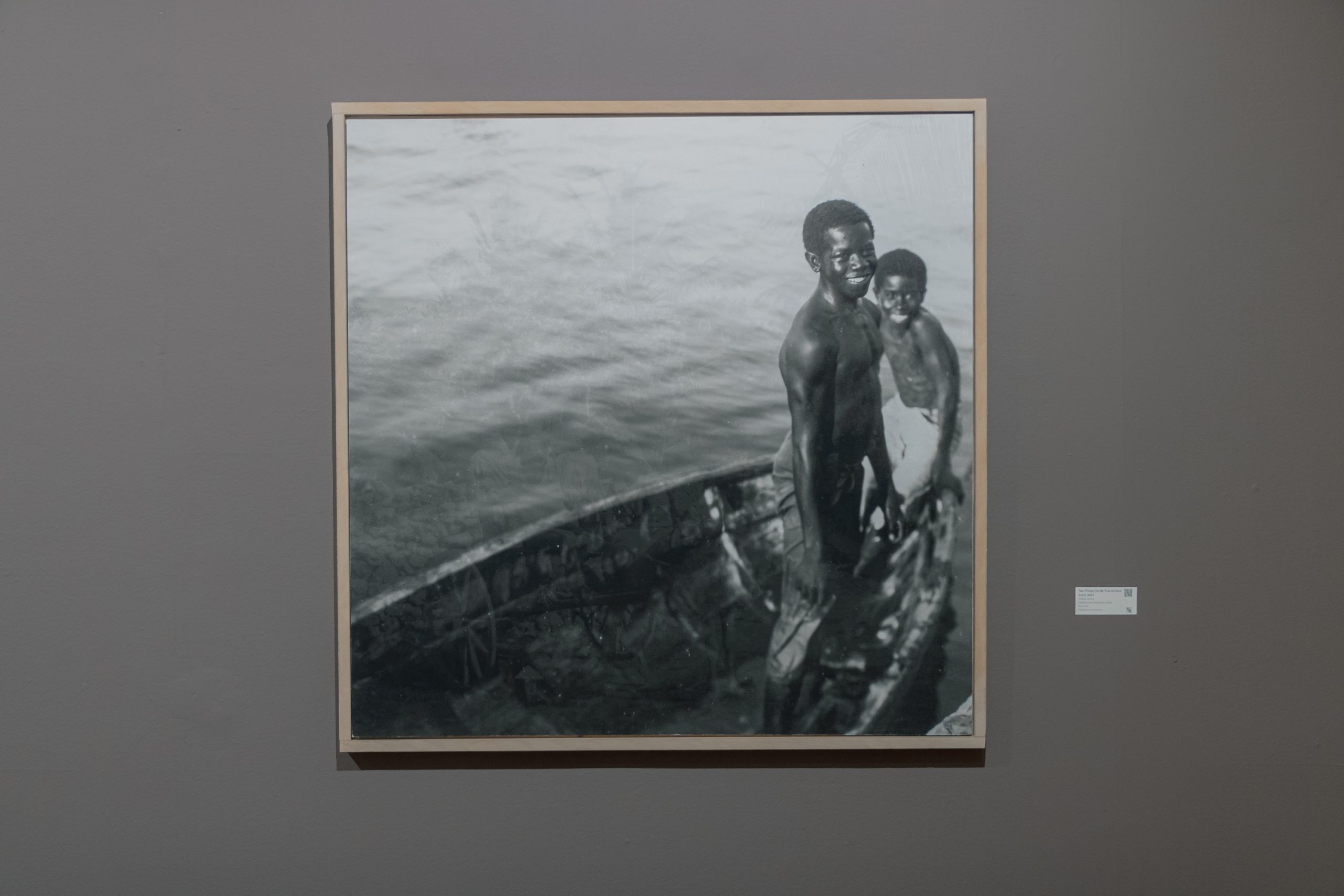
Bahamian and Trinidadian artists investigate other ways of interpreting the archive in the eighth Double Dutch.
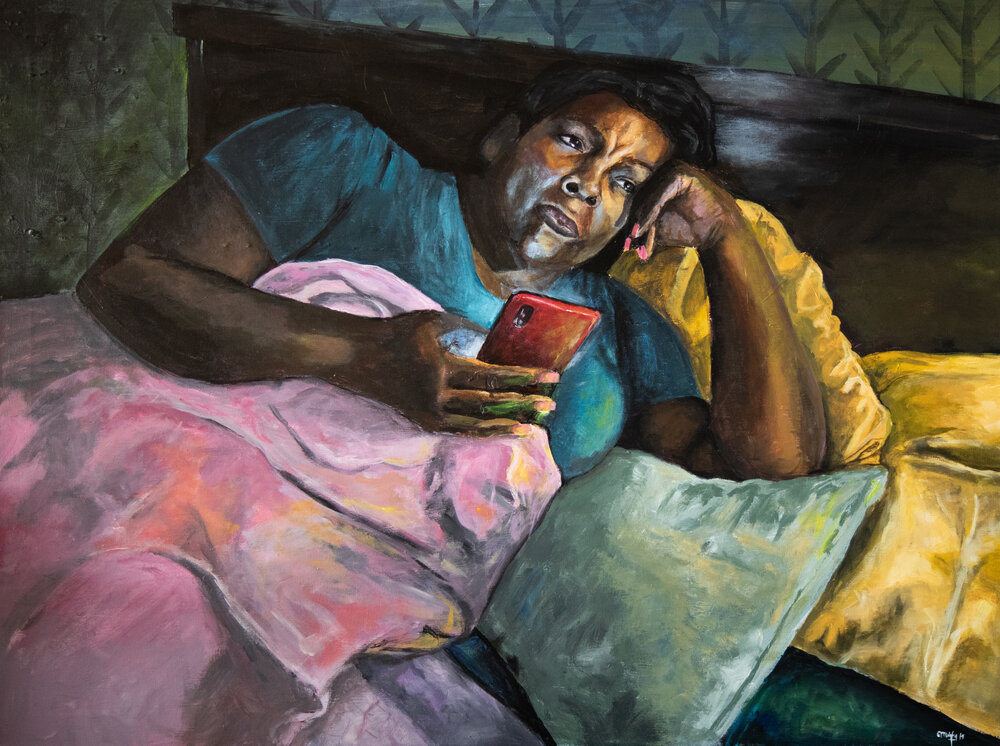
Whether we were watching and waiting for the storm to hit directly, or watching and waiting for it to pass from the safety of our own sofas, Christina Wong’s “Everybody and Dey Grammy #hurricanedorian” (2019) struck a cord (and plucked on heartstrings) for all of us. From the hashtag to the sentiment of everybody collectively waiting with bated breath, we felt Hurricane Dorian as a nation — not in a nationalist sense, but rather as people living in, from and tied to this landscape, “born Bahamian” or otherwise.