Currently browsing: Article

The Power of Imprisonment through language: The Eye for the Tropics and Majority Rule in The Bahamas
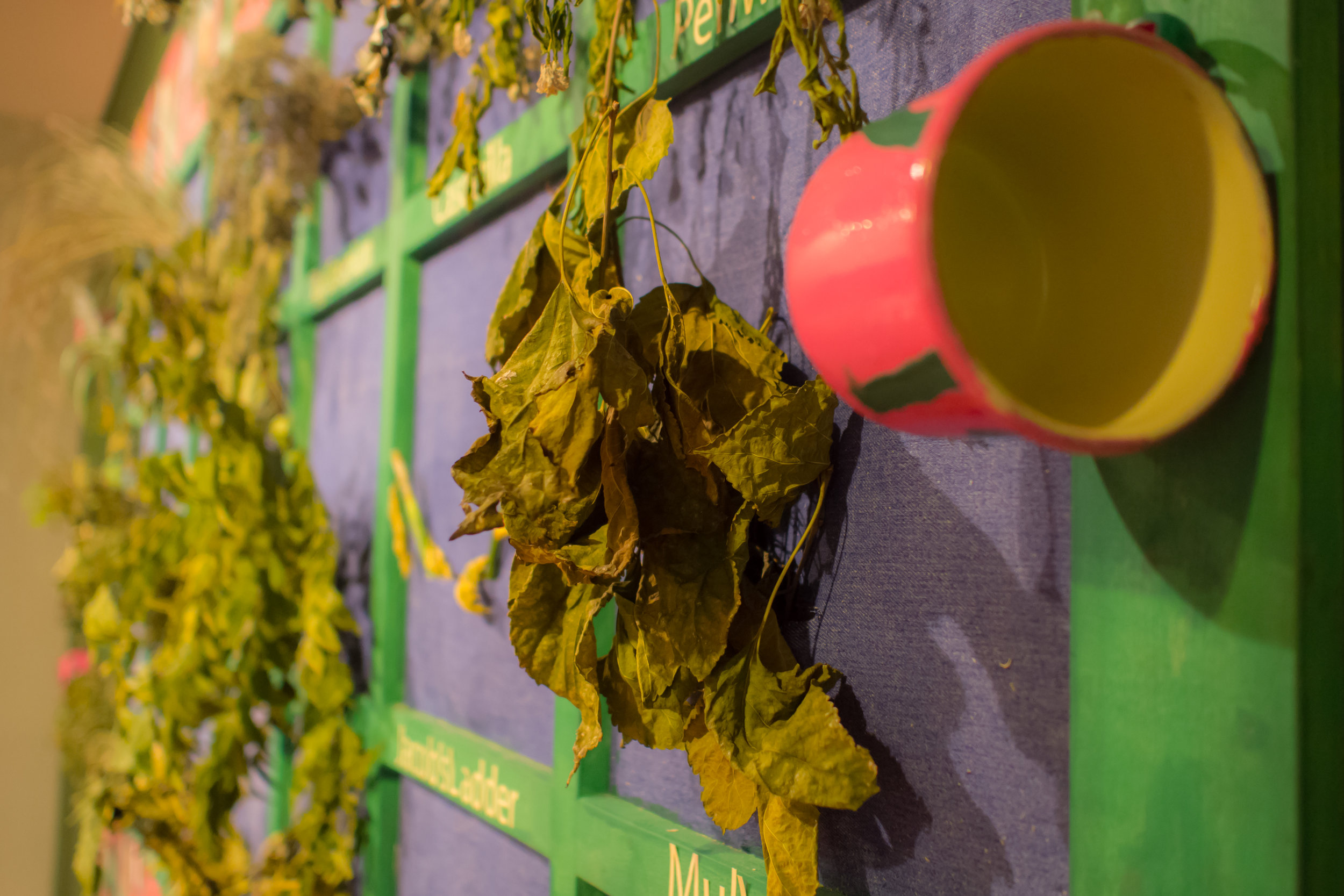
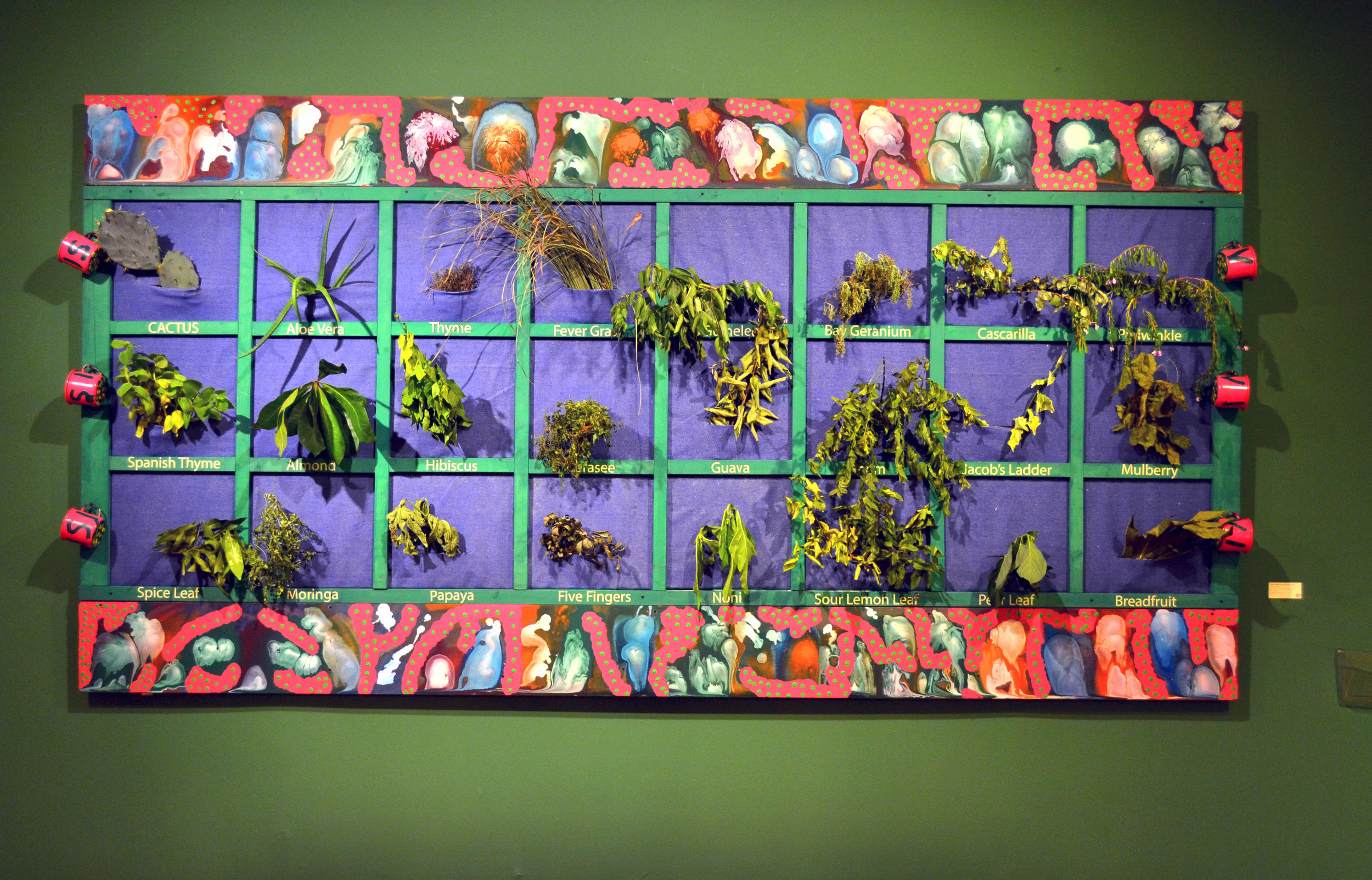
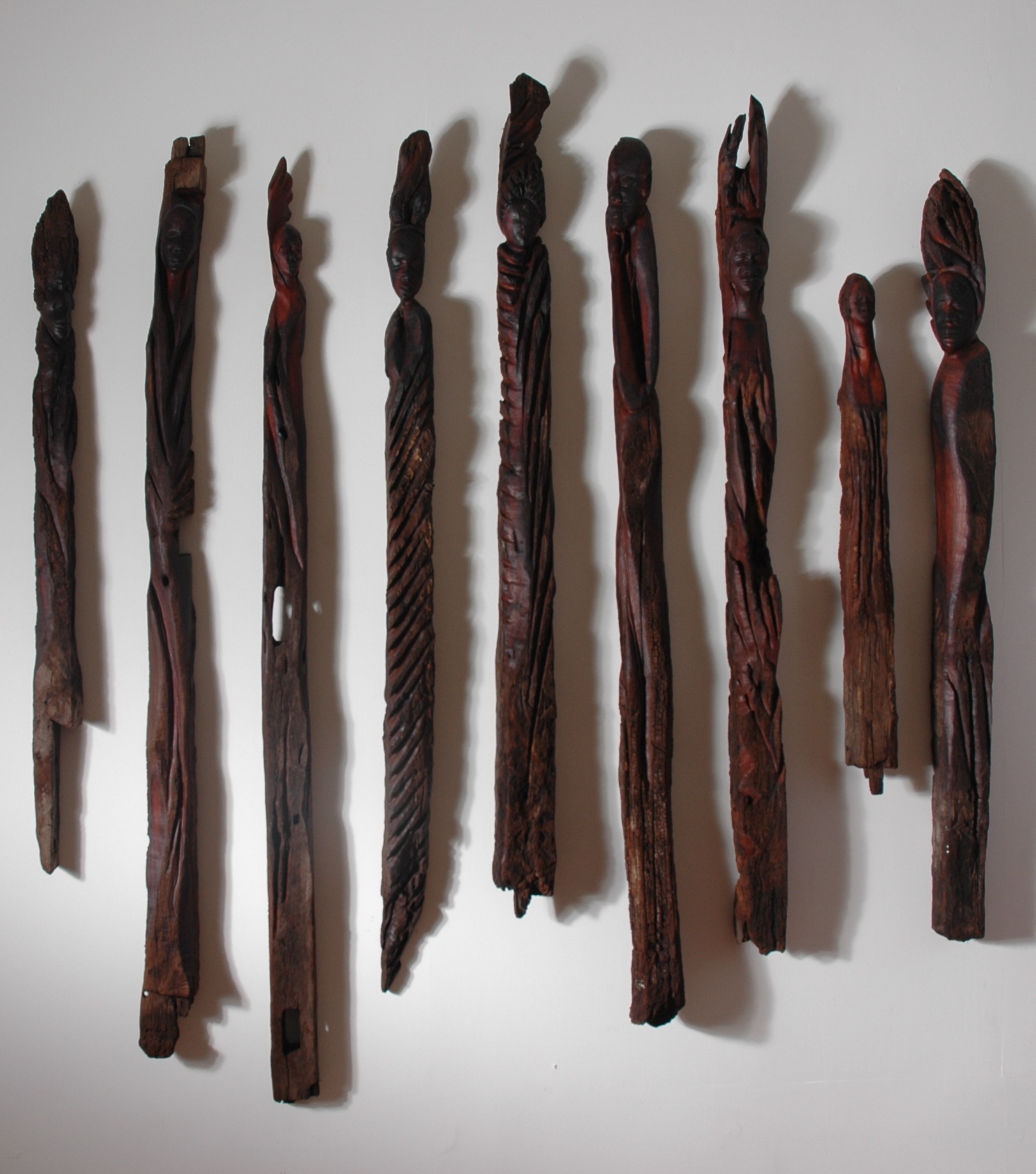
By Dr Ian Bethell Bennett.  “We believe that rape is a private matter and that women are inherently unequal.” As 2017 passed into memory this last week, it seems important to think about how we see ourselves in the future.  Spirituality could play a large part in this vision, or we could simply choose to continue along what seems to be a road paved with consumerist joy. The paradise myth is part and parcel of that consumerism: where beaches and bodies of paradise that we need to survive can be bought, sold, bartered, negotiated away and given to other sovereign states for their own devices. The opening of “Medium: Practices and Route of Spirituality and Mysticism” at the National Art Gallery of The Bahamas (NAGB) on December 14, 2017 presented a moment for reflection, but also for a new focus.  When we can celebrate Bahamian ‘masters’ Tony McKay aka “Exuma” or “The Obeah Man,” Amos Ferguson, Wellington Bridgewater and Netica “Nettie” Symonette, along with a boat-load–used intentionally–of other artists, we are saying that perhaps we are changing the way we see ourselves. 

Learn more

Sitting with the Dead: “Medium,” a show of Bahamian Religion and Spirituality

By Dr Ian Bethell Bennett. Tie a black piece of cotton around the child’s wrist, Don’t walk outside at night without covering the child’s head, Be careful how you come into the house at night, Wipe your feet off well. Cover the mirrors with cloth, Open the house if the coffin comes by, let the spirit travel through, Rosemary helps keep away bad-minded things… To our mind, these are all local lore.  To many, these are discredited as they are lumped together with Obeah and dismissed as ‘evil, black, Dark and African.’  Our double-consciousness denies the survival or the importance of such cultural elements as Asue, Lodges, Burial Societies, Friendly Societies, all of which allowed our spiritual and physical survival during and after slavery.

Learn more

Creative Youth: Reevaluating Our Values and the Work of Young People

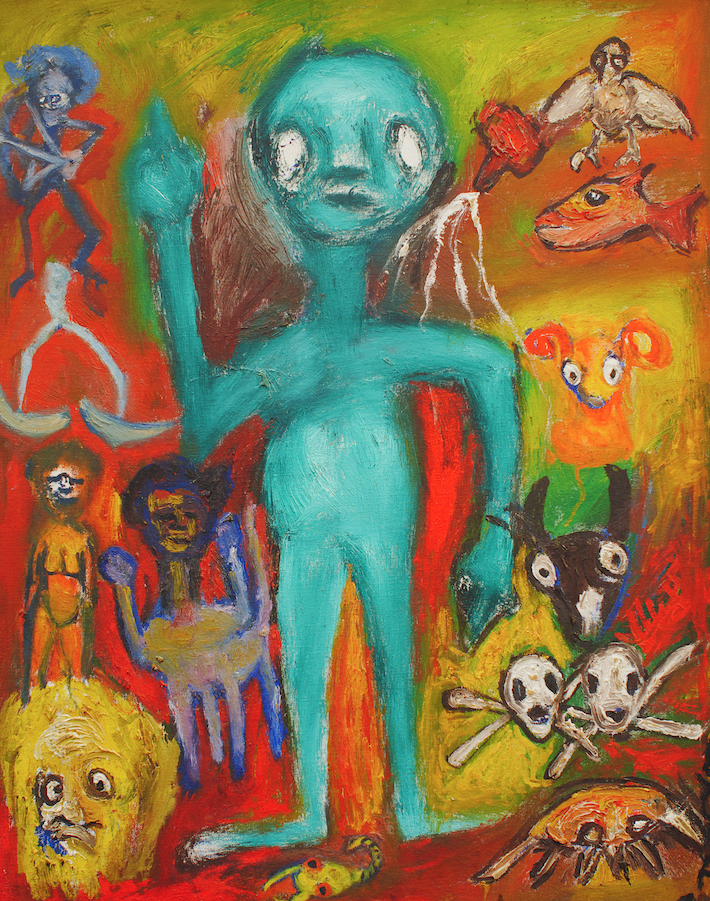
By Dr Ian Bethell Bennett.  The Bahamas has quickly become a country with multilayered and multifaceted youth conflicts.  Over the last ten years, these issues have taken the fore and removed the focus from real and positive change.  Violence, youth disengagement and youth disaffection can be addressed through creative expression and creative practice.  However, in a school system that argues for a focus on the STEM and not STEAM, but without any real engagement–where art and performance are seen as outside and unwanted stepchildren–it is significant that some young Bahamians are excelling in their work and their creative expression. 

Learn more

From the Collection: “A Distant View of Nassau” (c.1857-1904) by Jacob F. Coonley

By Natalie Willis.  Looking at this photograph, “distant” is certainly apt in different facets of the word. It is a distant, far off view. It is a distant time, a bygone era. It is also a distant idea to think of Nassau in this way – so largely uninhabited with stretches of green bush for miles, sisal and rocky paths to illustrate this difficult land – formerly difficult for our floral inhabitants, now harder for the people living in what feels like harsh social terrain. The reactions witnessed to this image are very telling, the astonishment on locals faces when they try to imagine a Nassau like this seems like having to tell someone to imagine us in prehistoric times, not just over 200 years ago. That surprise speaks to the way the development has become so utterly integral to our identity in the capital, and truly the country as a whole.

Learn more