Currently browsing: Article

Dave Smith “Violence, the beauty of paradise”: The art of capturing the lingering impact
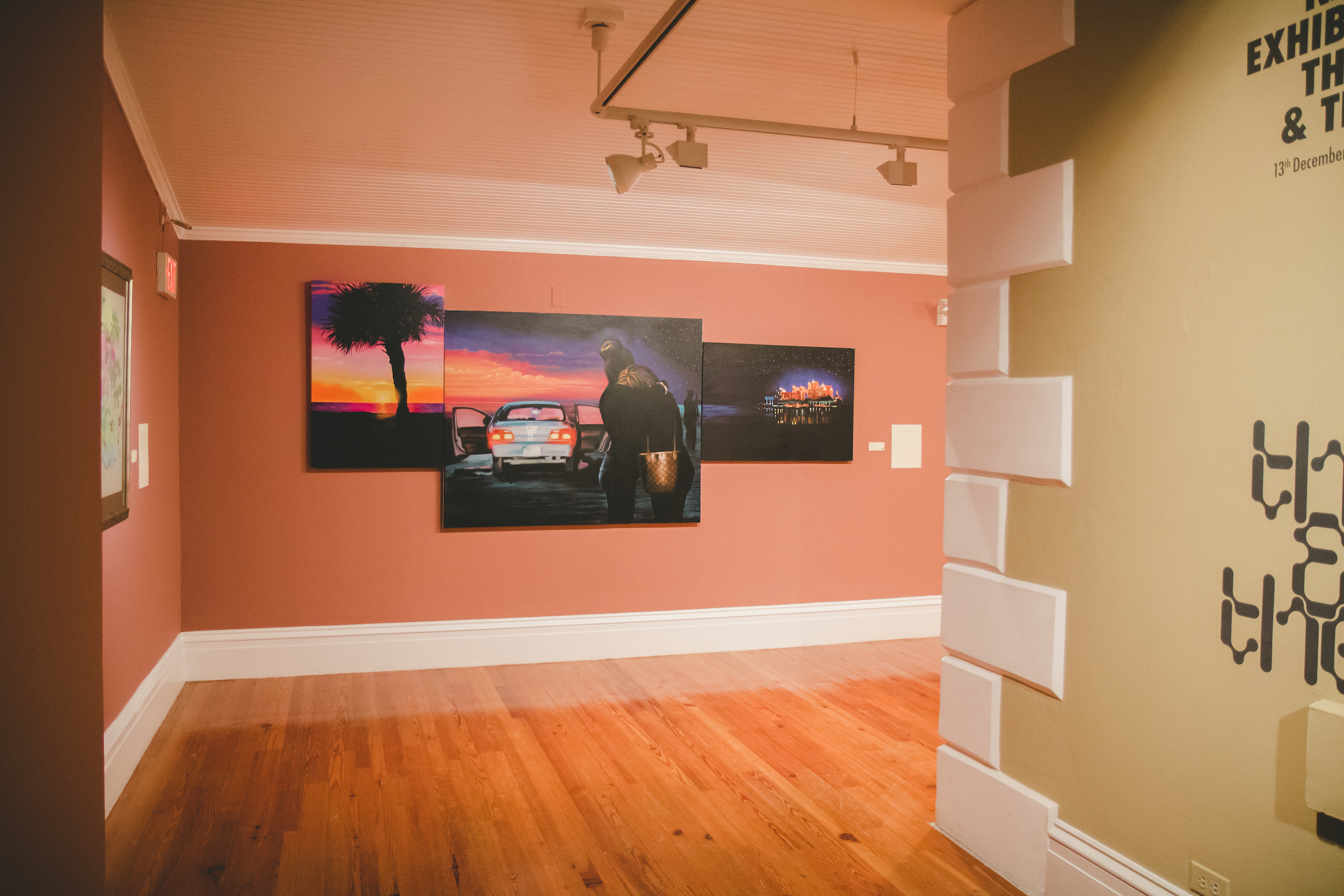
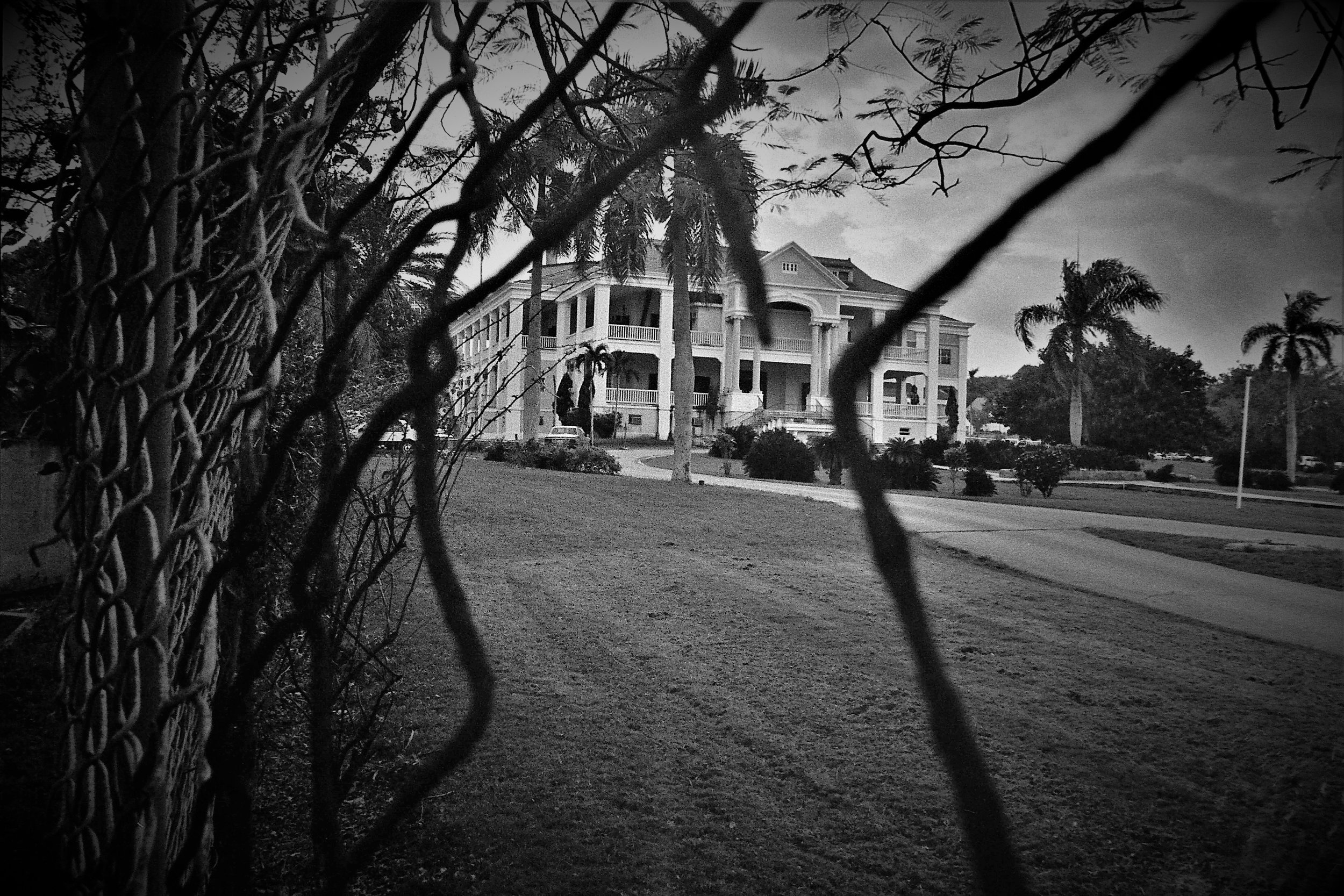
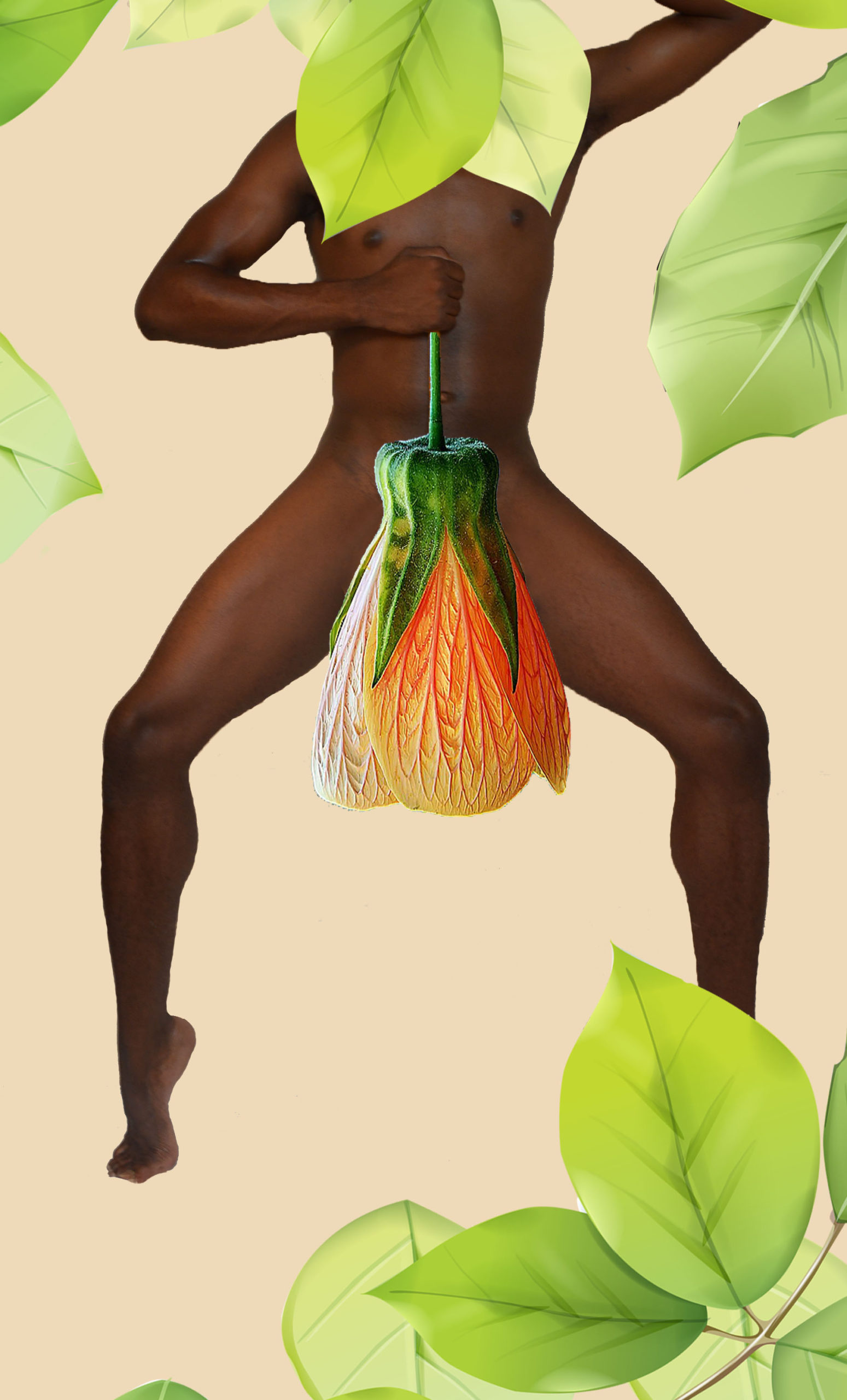
By Dr Ian Bethell-Bennett, The University of The Bahamas. In the Caribbean, like most of the world with globalisation’s flattening of the world, as Thomas Friedman’s The World is Flat (2005), demonstrates, inequality increases as the local place is transformed by the international space.  Art and the art scene belie the international and interstitial connectivity of local and global.  Dave Smith’s Caribbean Sunrise (2018), is emblematic of this using juxtaposition and colour in striking yet contradictory and discordant ways.  We never think of the Caribbean as a violent space, yet with this history of occupation and exploitation is is quintessentially violent, it’s geography hides violence: the violence of the encounter or the discovery, that in itself marks a violent erasure of what was once there, though overlaying it with a imagery and imaginary of paradise, almost like Milton’s Paradise Lost (1667). The allure is dangerous.   

Learn more

“I ga’ gee’ you what you lookin’ for!”: Tamika Galanis gets to the heart of the Caribbean’s history of looking

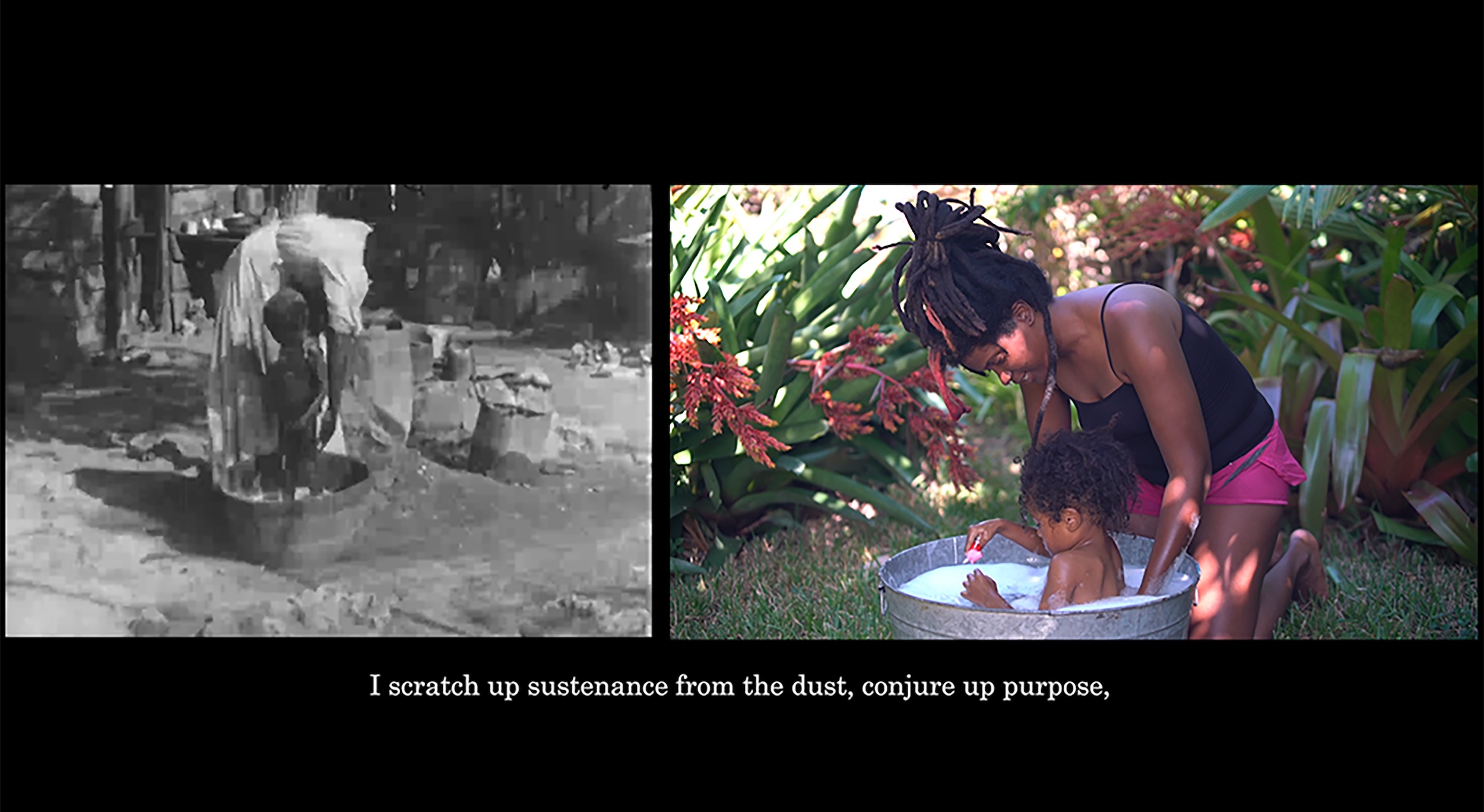
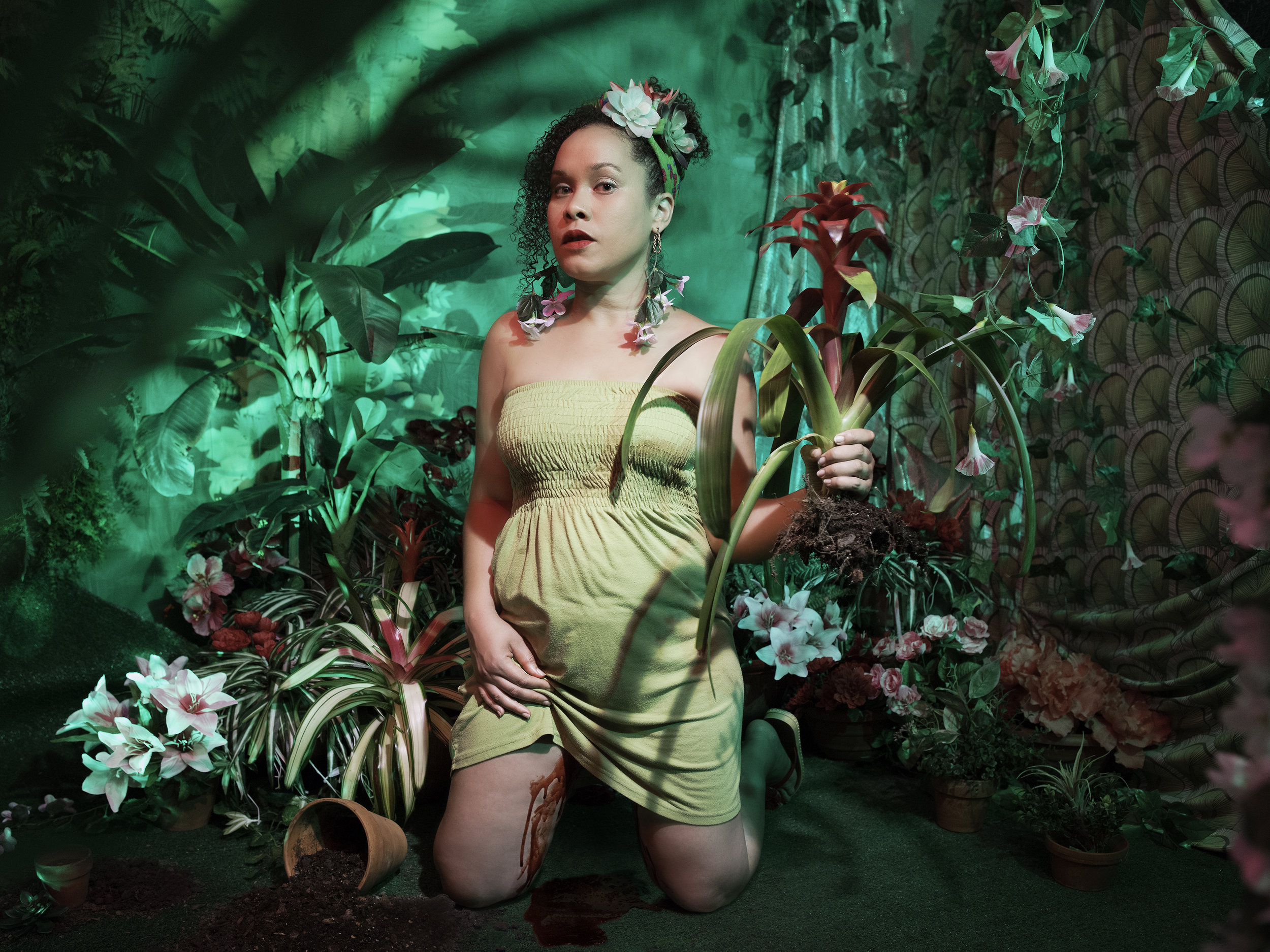
By Natalie Willis, The National Art Gallery of The Bahamas. Who gets to write history? And, better still, who gets to interpret it, present it, share it to the masses? It’s a slippery question for the Caribbean, and arguably for most post-colonial countries. Much of what makes it so difficult to grasp is how the gaze is problematised in this region. In art and history in particular, “the gaze” as a concept is the way that our history, experiences and dominant narratives shape the way we see – in short, it is how our conditioning as a society influences the way we view ourselves and others. In particular, film and cinema capitalise on this with the way they place certain visual cues. At its best, it can be a way to build suspense and intensity in film, at worst – and as so often happens with Caribbean history – it can drive in a singular narrative on what is a very nuanced experience. Tamika Galanis’ Returning the Gaze: I ga gee you what you lookin’ for (2018) explores just that: representations of Blackness outside of a dated, colonial gaze.

Learn more

Utopian Ecologies: Alex Timchula’s microcosmic garden sculpture for NE9

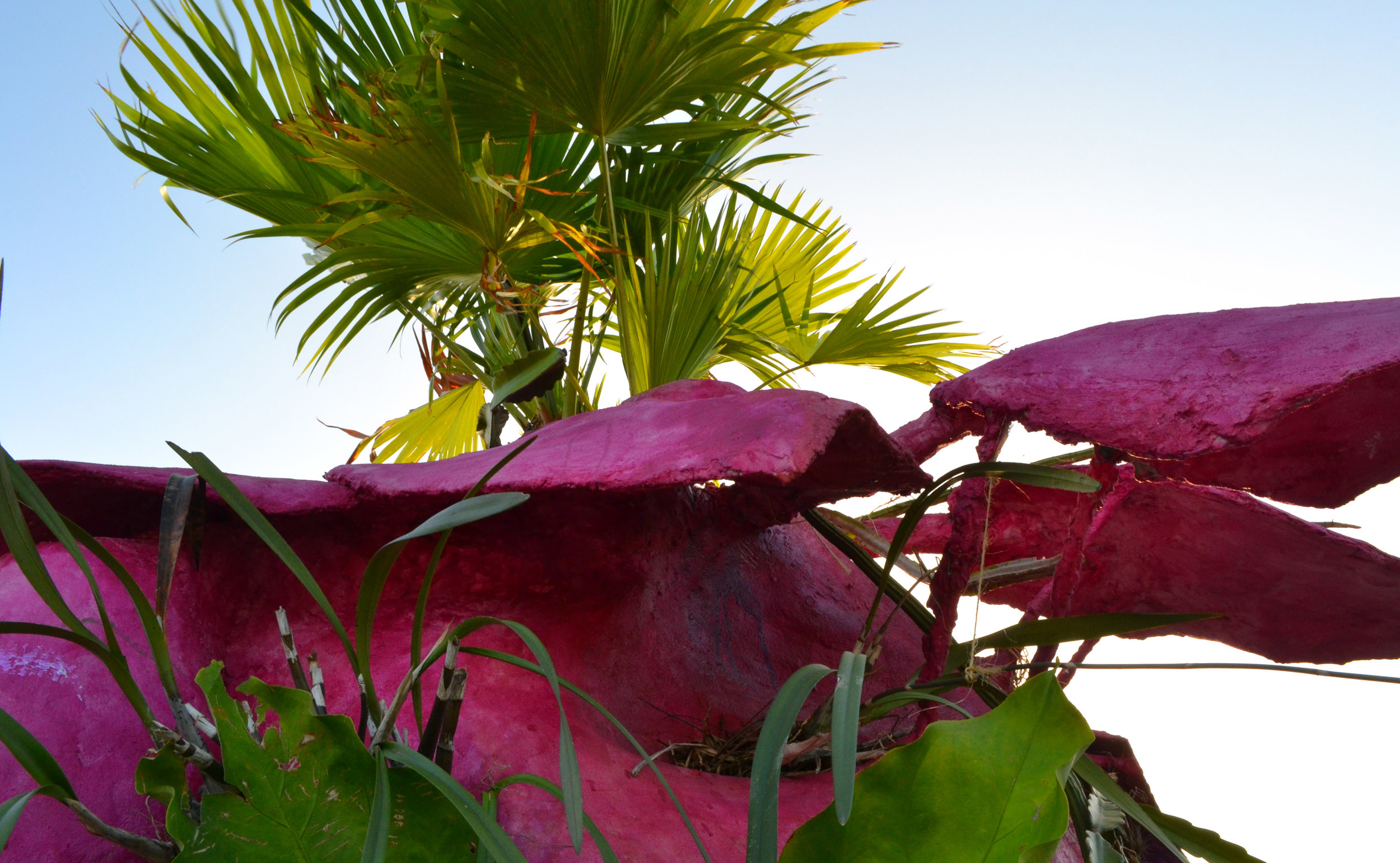
By Natalie Willis. The 9th National Exhibition, “NE9: The Fruit and the Seed”, opened on December 13th, 2018, and the reception was quite honestly overwhelming in the abundance of bodies, spirits and minds present. As we approach this penultimate exhibition on the way to the 10th National Exhibition, this particular biennial’s harvest has been ripe with unabashed representations of self, social critique, and calls for action – all of which bear hopeful tidings for its next, landmark iteration of this key survey in checking the pulse of art in The Bahamas. Part garden, part spaceship, part act of love and care, Alex Timchula’s contribution to the NE9 is a living, growing representation of a utopian dream.

Learn more

Speaking to Views and Gazes: Education, Space, and Knowing your Place

By Dr Ian Bethell-Bennett, University of The Bahamas.

My eyes may be dim, but I can see

Though sight be mitigated by supervision,

My view is my experience

I shall not be moved

 Art provides an interior image of exteriorised feelings that are usually not openly discussed.  The interior/exterior reality of images and experiences is often surreal as it collapses spaces into times that are not always compatible.  Art allows whimsical flights of fantasy and fancy, which break down barriers and create potential changes that defy limitations. Photography, at the same time, opens eyes to what is often overlooked, while also capturing an image of something in a unique way that renders it more or less than it is.  

Learn more

Returning the Gaze: Melissa Alcena in NE9

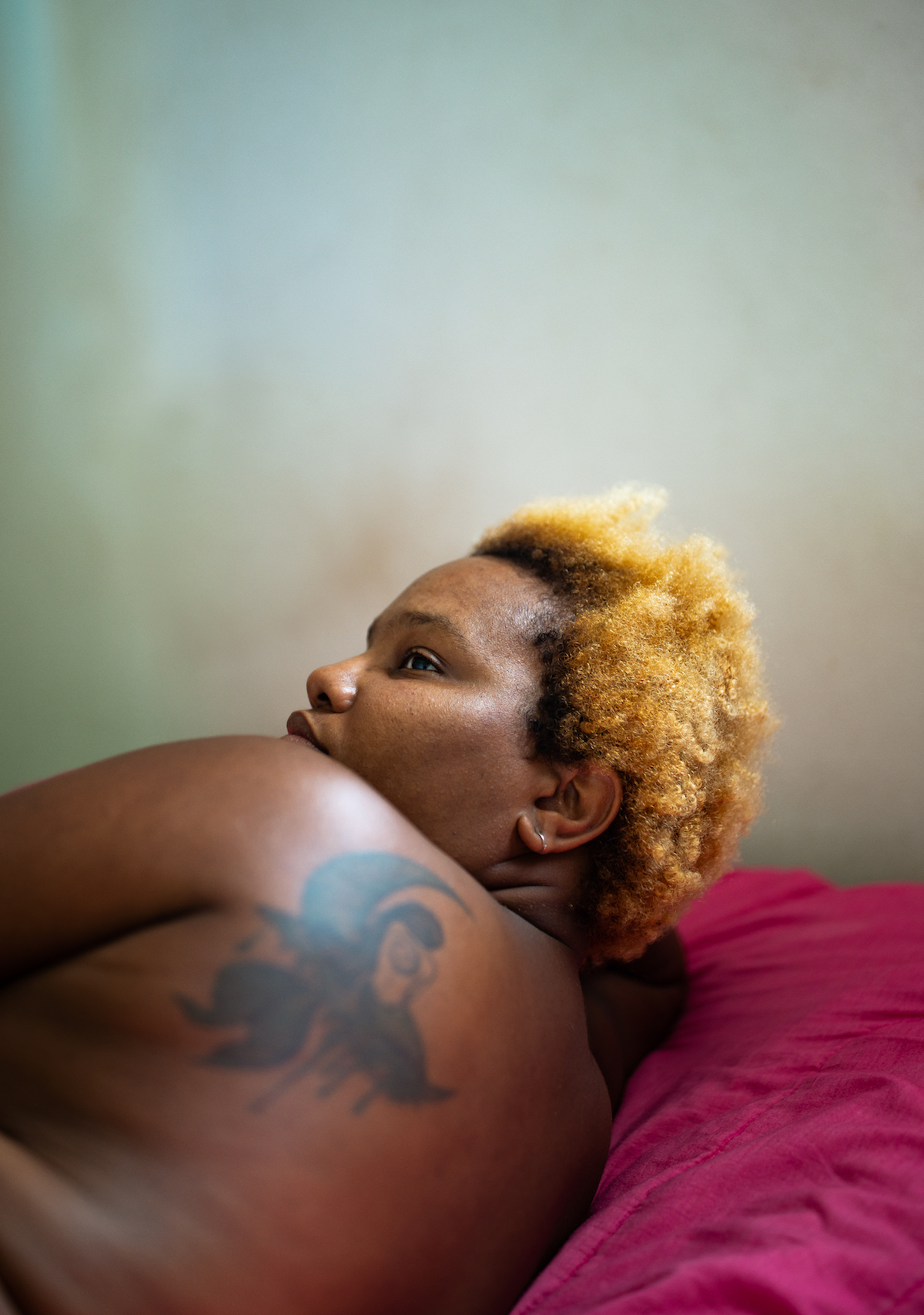
By Kevanté A. C. Cash. Melissa Alcena’s work is not for the faint of heart. It is not for those of whom dismiss the work of introspection. It causes a discomfort in self; challenges interior and personal spaces and the world around it, especially if that self exists as a Black body traversing through a “post-colonial” society.  As one of the 38 artists supported by the National Art Gallery of The Bahamas (NAGB) in the Ninth National Exhibition (NE9), “The Fruit and The Seed” Alcena’s work delivered nothing short of expectation. Her interpretation of the exhibition’s thematic manifested as works seeking to return the gaze and dispel the notion of “othering”, because truly, what is a “them”? What is a “they” if we are all experiencing the same aftermath outside of British colonial ruling? “Is the island not 21 x 7 miles even though the archipelago far flung? Why do we act as if we are so far apart?” With her biting and intimate suite of images, Alcena poses these questions.  

Learn more

Danny Davis brings a colonial interpretation to NE9’s “The Fruit and The Seed.”

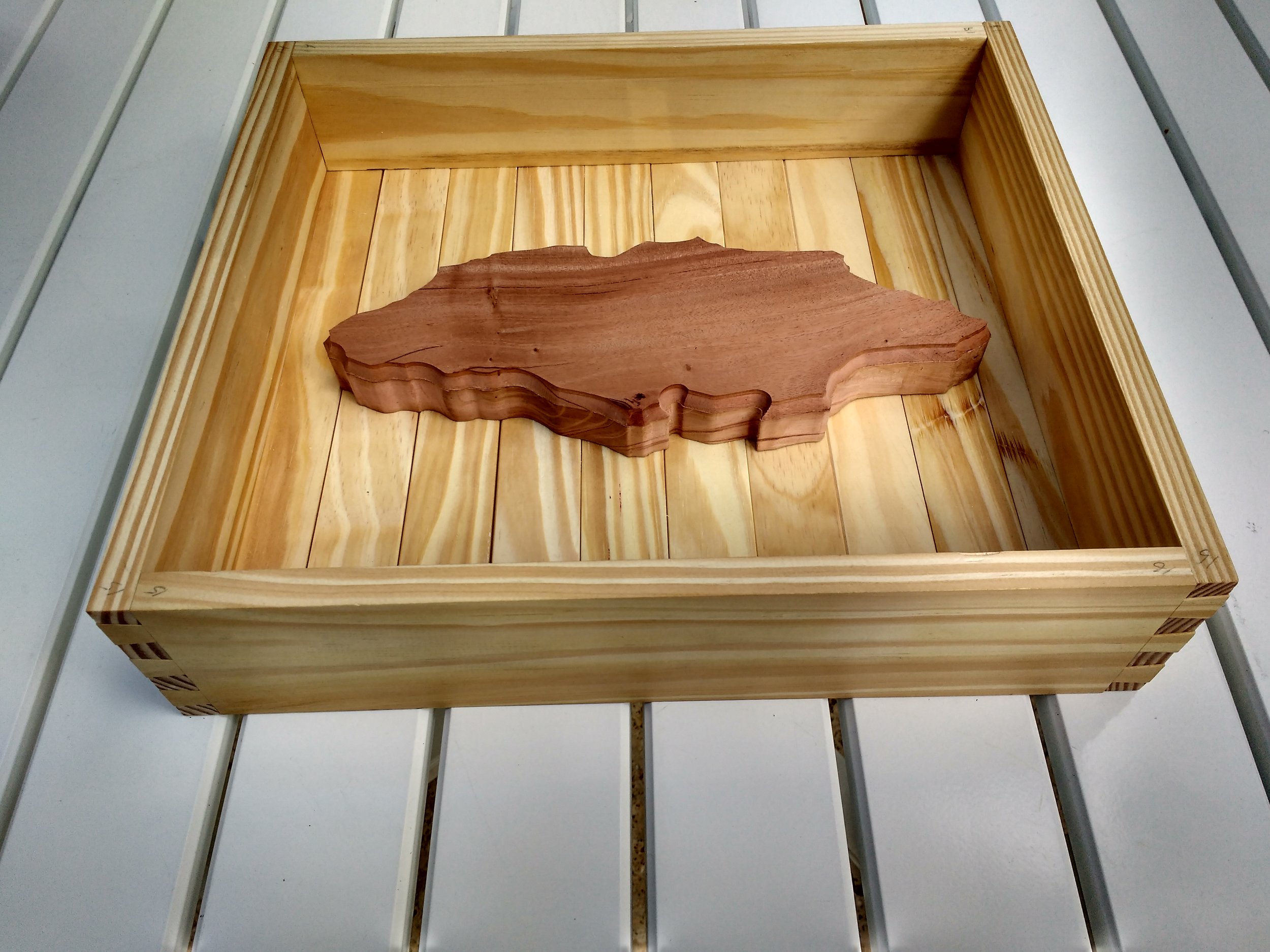
By Kevanté A. C. Cash, NAGB Correspondent. In conversation with the National Exhibition 9 Artist-in-Residence Danny Davis about his work for the upcoming Ninth National Exhibition. The Ninth National Exhibition (NE9), under the patronage of the Hon. Lanisha Rolle, Minister of Youth, Sports and Culture, is scheduled to open on Thursday, December 13th, 2018 at the National Art Gallery of The Bahamas (NAGB) beginning at 6:00 pm. The NAGB will support the work of 38 artists under its theme “The Fruit and The Seed”. One of the artists being Danny Davis, the NE9 artist-in-residence which is supported in partnership with The Current Gallery and Art Studios. Davis is a lecturer at the University of The Bahamas, a chemist turn woodworker, an unorthodox match to say the least. He has lived between Nassau and Freeport for most of his creative career and has been able to draw inspiration for his work from both islands. I sat with him to engage in a rather exciting discourse about his interpretation of NE9’s theme, and how it will be shown through his piece.

Learn more

The Life and Death of Street Trees: Jenna Chaplin’s call to attention for the importance of street trees for the upcoming NE9

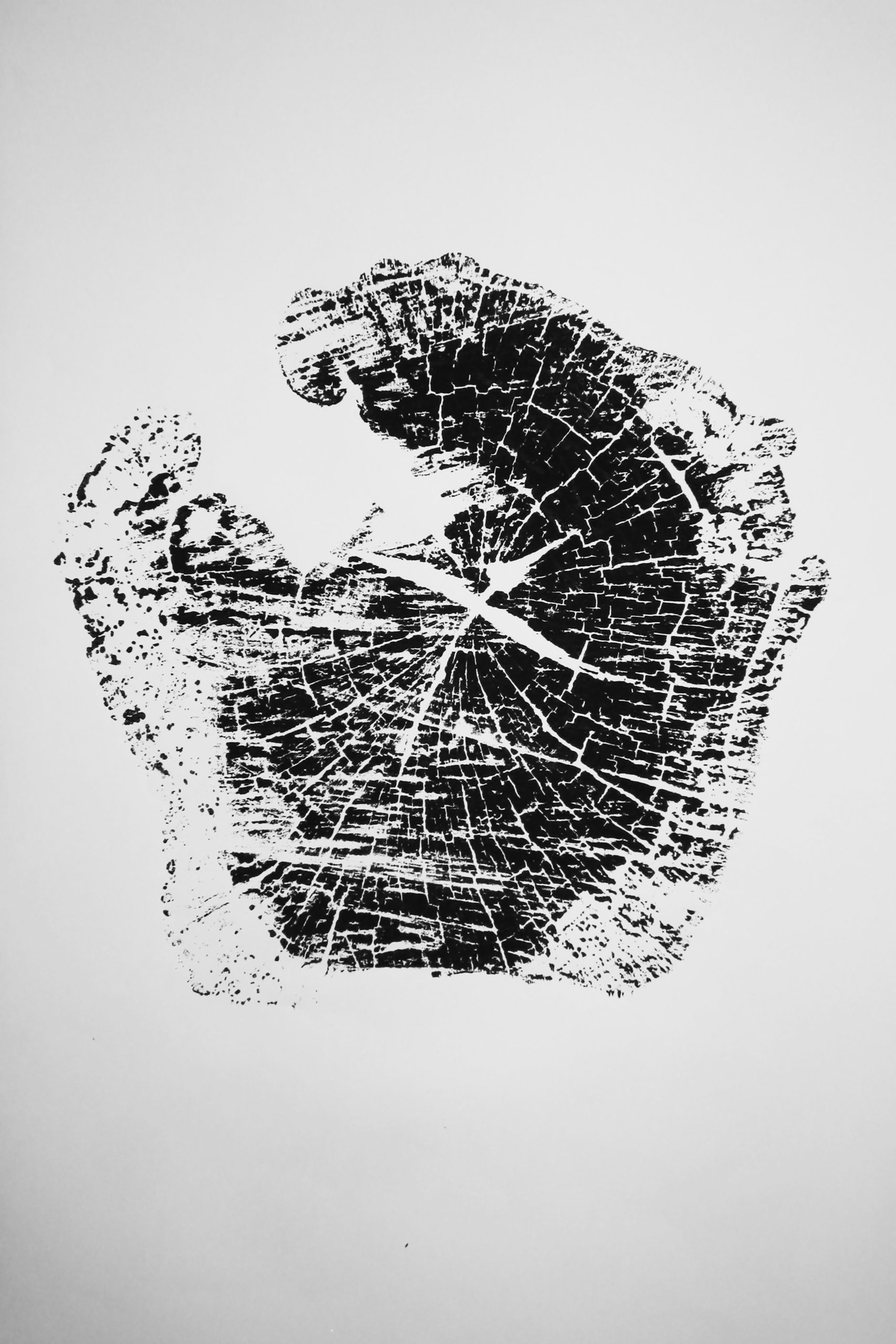
By Natalie Willis. “Space is not a scientific object removed from ideology or politics. It has always been political and strategic.” – Henri Lefebvre. But how do you strategize something that grows organically? Cities pose that very question for us. Henri Lefebvre, a French philosopher and sociologist with a heavy Marxist influence, was interested in the fabric of our everyday lives and particularly in the ownership of spaces, particularly cities. I’d wager he’d have a field day in Nassau – with our planned and unplanned spaces, historic and new, and that the upcoming printmaking project by Jenna Chaplin for the National Exhibition 9 (NE9) might whet his appetite too.

Learn more

Art of The Bahamas: An Era of Negotiating Self-Definition

By Patricia Glinton-Meicholas. Its foundation announced in 1996, The National Art Gallery of The Bahamas (NAGB) was officially opened on Monday, 7 July 2003, which means that it is still a youth as art museums go, still engaged in defining its identity. I envision for it a plum role, ready for the plucking from a fertile tree of a people richly endowed with creativity. The Gallery can be an important builder in the development of people and nation, employing a diversity of creative impulses of artists, exotic and indigenous to “story” The Bahamas, providing a mirror to prompt Bahamians to take a deeper look inward and bear even greater fruit.

Learn more